
Last updated November 25, 2026
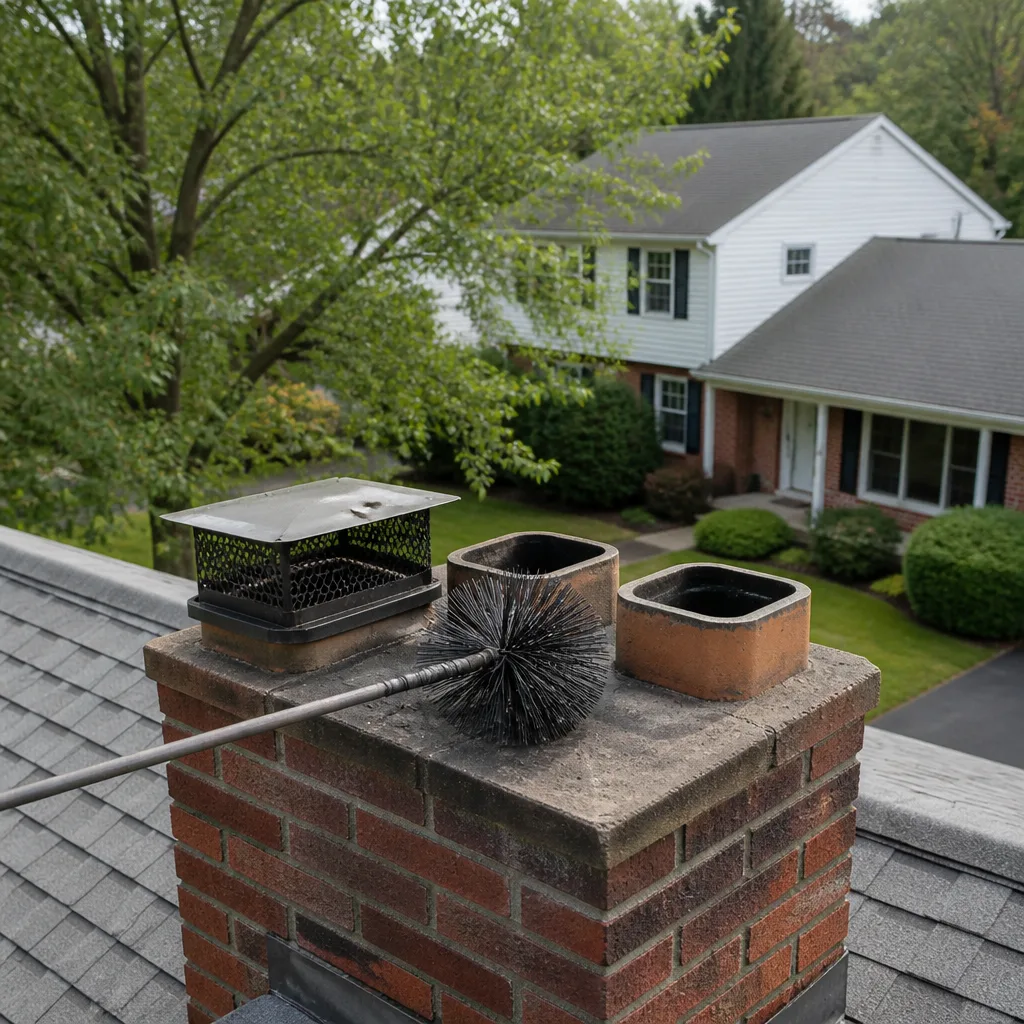 Sweep & inspection
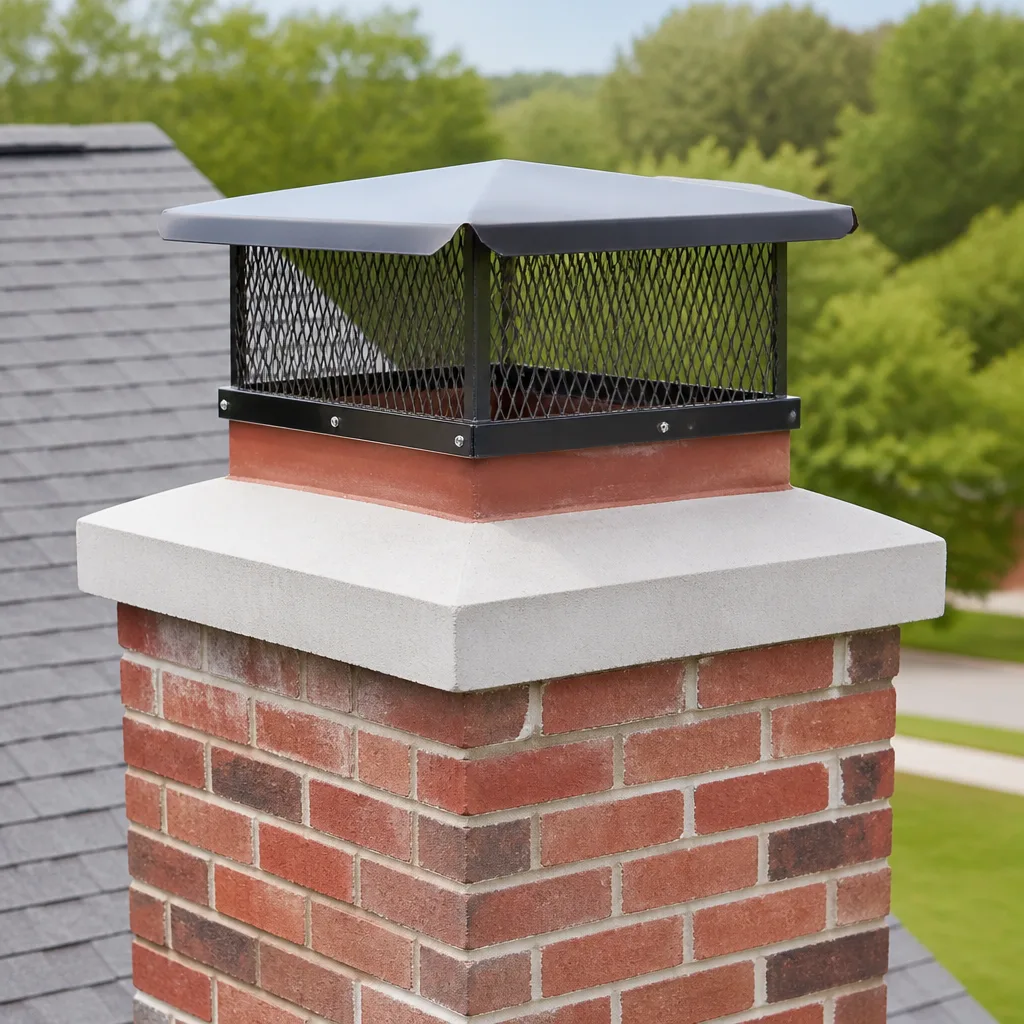 Caps & crowns
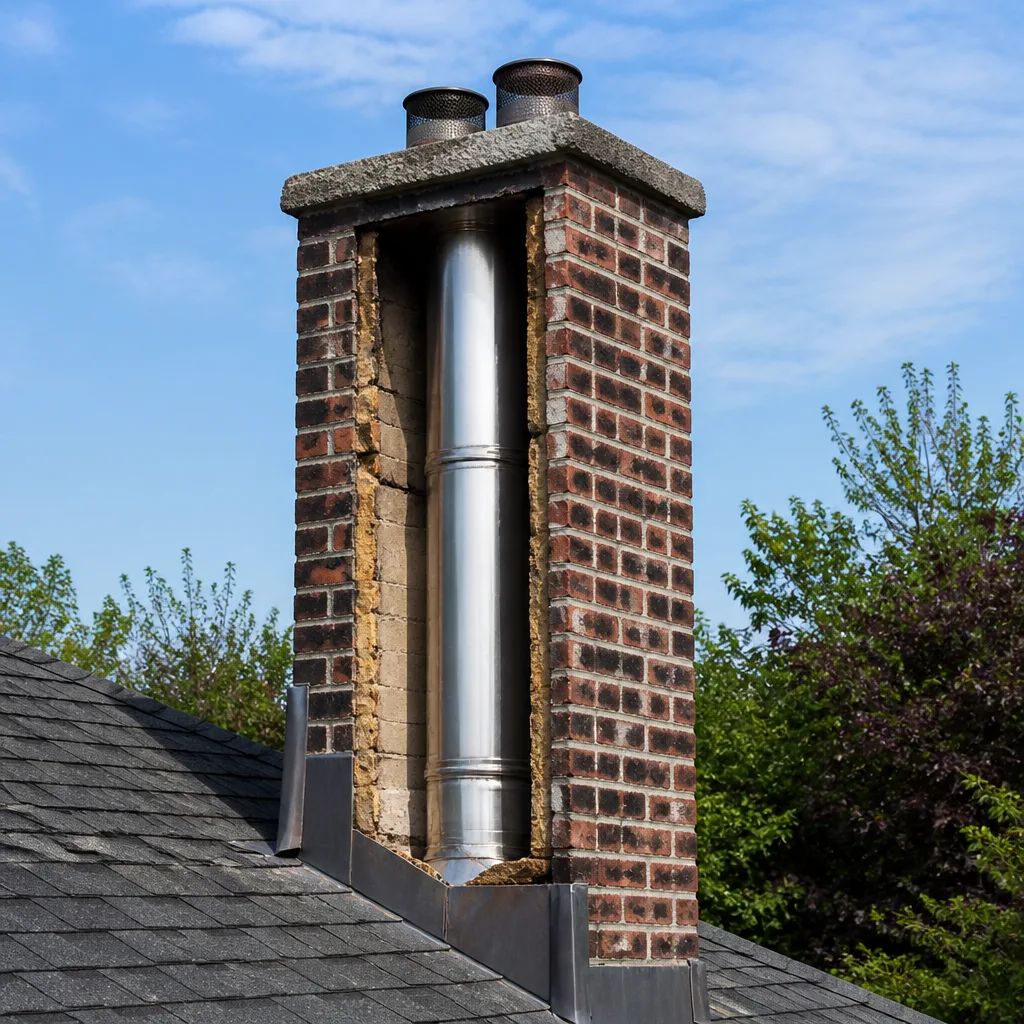 Flue relining
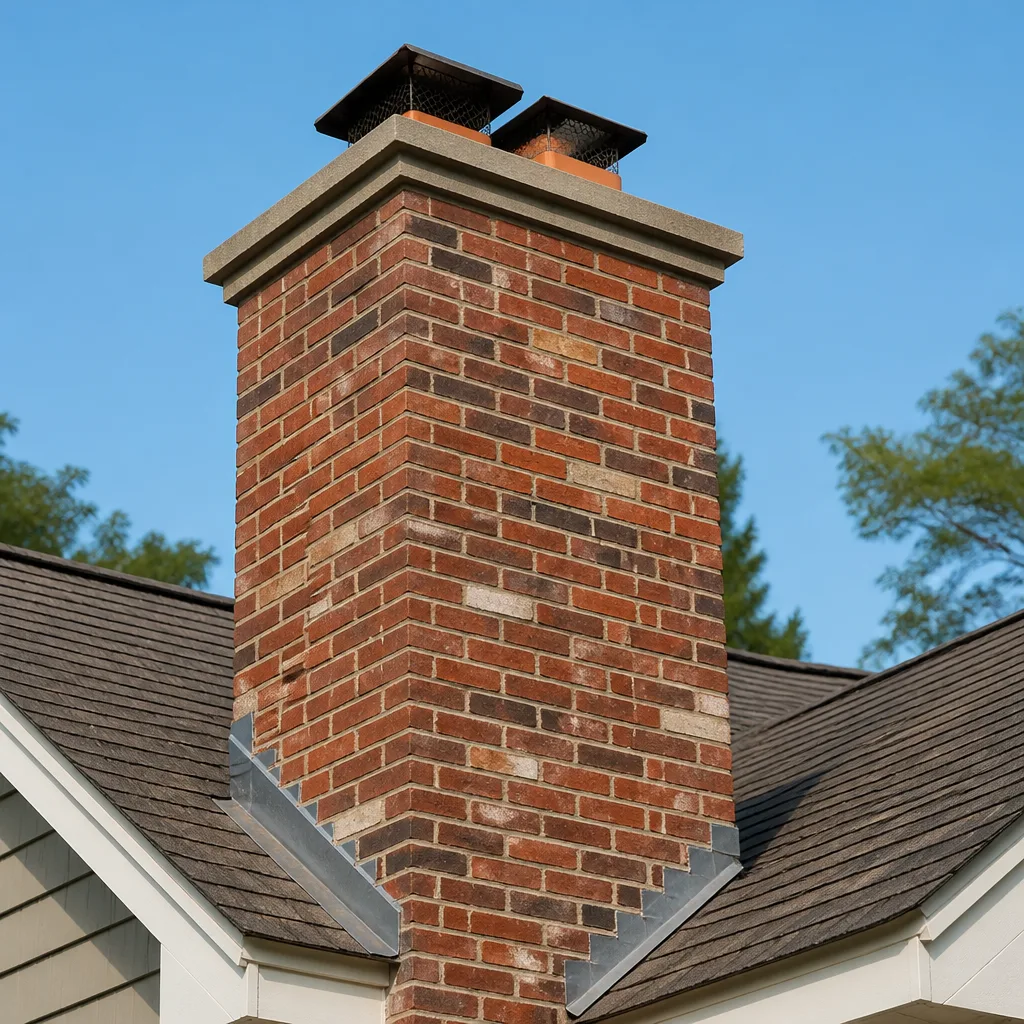 Masonry repair
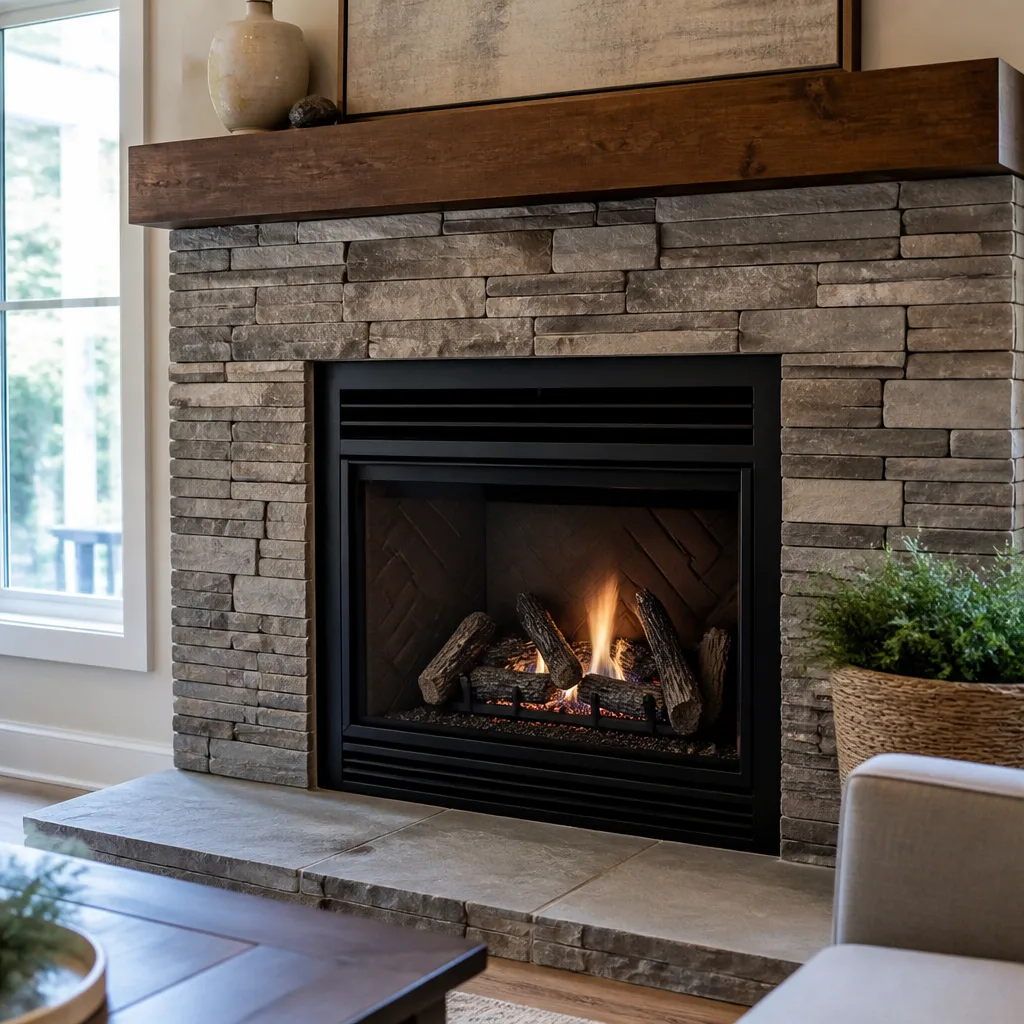 Gas fireplace service
Level 1 sweep and inspection to the NFPA 211 annual standard - flue, crown, cap, and flashing checked and photographed
Chimney sweep logs do not sweep chimneys. They loosen some creosote - which then falls where a brush and vacuum still have to collect it.
The Complete Guide to Chimney Cleaning in Brea
Most Brea homeowners light their fireplace fewer than fifteen times a year. By cold-climate logic, that should mean the chimney barely needs attention. In practice, the opposite is true. The fireplace that sits idle for nine months and then burns a few hot fires in December and January is exactly the setup where creosote turns glazed and stubborn, and where birds and squirrels decide the empty flue looks like prime real estate. Infrequent use doesn’t protect a chimney. It changes the failure pattern. This guide walks through what actually accumulates inside a Brea chimney, why the inspection matters as much as the sweep itself, and how to tell a cleaning that passes a visual check from one that’s genuinely fire-safe. You’ll finish knowing what’s normal, what’s a warning sign, and when to bring in a professional.
Quick Answer
Chimney cleaning in Brea means removing soot, creosote, and debris from the flue and firebox, then verifying with a camera and visual inspection that the liner, crown, and cap are sound and that nothing is blocking the draft. Because Brea’s mild climate and low burn frequency encourage glazed creosote and animal intrusion rather than heavy soot, a proper cleaning here pairs the sweep with a Level 1 or Level 2 inspection. An estimated typical cost for a routine sweep and Level 1 inspection in Brea is $180 to $340, and the written estimate before any work begins sets the final price.
Styles & brands we work with
- Sweep & inspection
- Caps & crowns
- Flue relining
- Masonry repair
- Gas fireplace service
Table of Contents
- Why Brea Chimneys Are Different
- How Creosote Forms in a Fireplace You Use a Few Times a Year
- Santa Ana Winds and Backdraft Debris
- Level 1 vs. Level 2 Inspections: What Each Covers
- A Cleaning That Passes Inspection vs. One That’s Fire-Safe
- How Brea’s Dry Heat Treats Masonry
- What Happens During a Professional Cleaning
- What Chimney Cleaning Costs in Brea
Why Brea Chimneys Are Different
A chimney’s condition depends on three things: how hot it burns, how often it burns, and what the climate and local wildlife do to it between fires. Brea sits in a warm inland basin where the burning season is short and the idle season is long. That flips the usual calculation. In a Vermont or Minnesota home, a fire burns most evenings from October through April, and soot and creosote get laid down steadily. In Brea, a fireplace might see a handful of December nights and a few cool spring evenings. Between them, the flue is a dry, dark vertical tube that stays warm and unoccupied for months at a time.
That idle stretch matters. Creosote deposited during a short burst of fires doesn’t get scoured off by a long season of steady burning. Each fire adds a fresh layer on top of a cool, already-cured layer, and repeated short hot cycles between long rests push the deposit toward the glazed stage faster than many homeowners expect. Meanwhile, the same dryness and warmth that keeps masonry stable in Brea’s inland climate also makes an unused flue attractive to birds, squirrels, and the occasional raccoon looking for a sheltered spot to build a nest. When people call us after months of not using the fireplace, the flue often holds as much animal debris as soot.
None of this means Brea chimneys are worse off than anywhere else. It means the risks are weighted differently. A Brea homeowner should worry more about glazed creosote and nesting debris and less about heavy everyday soot buildup. That’s the pattern worth remembering as you work through the rest of this guide. When you’re ready to schedule a chimney sweep, ask for a sweep that includes a camera inspection, not just a brush and a bucket.
How Creosote Forms in a Fireplace You Use a Few Times a Year
Creosote is the residue left behind when wood smoke cools before it leaves the flue. It shows up in three stages, and the stage matters more than the amount. Stage 1 creosote is a light, flaky soot that brushes off easily. Stage 2 is a crusty, hardened deposit you can scrape with effort. Stage 3 is glazed, tar-like, and fuel for a chimney fire; it bonds to the liner and won’t come off with a brush.
Here’s the counterintuitive part. Homeowners assume a lightly used fireplace stays clean. In our experience covering Brea homes, the opposite often shows up. A fireplace burned a few times a year, then shut down, then burned again, builds one cool layer of creosote after another. Each new fire heats the surface enough to flash off the lighter compounds, but the dense tar-hard layer underneath never fully matures into something that will brush away. Repeat for several winters and you’re looking at stage 2, sometimes stage 3, in a flue that’s technically only seen a few dozen fires.
Frequent, hot burns actually help. A chimney that stays hot during the burn and sees regular use scours lighter deposits and burns them more completely. The pattern in Brea – long idle stretches broken by a handful of fires – is what lets cool, inefficient burns stack up glazed deposits. To tell stage 2 and 3 apart in practice, a technician runs a camera up the flue and can see the difference between a crusty layer that will brush off and a mirror-smooth tar glaze that needs a chemical treatment or liner resurfacing.
If your flue has glazed creosote, a standard brush pass won’t fix it. At that point, a resurfacing product like HeatShield – which renews the liner surface from the inside rather than replacing the whole liner – can be the practical answer. That’s why, in our view, the inspection finding “there’s creosote” isn’t the useful part. The useful part is which stage, how deep, and whether it clears with a brush or needs resurfacing.
Santa Ana Winds and Backdraft Debris
Brea sits in the Santa Ana wind corridor, and those dry, fast, warm gusts out of the interior push air pressure in a way that changes chimney behavior. On those days, a chimney that normally drafts upward can momentarily pull air downward instead – a backdraft. That’s why a homeowner who hasn’t used their fireplace in months can still find smoke marks, grit, ash, and soot on the firebox floor or the flue walls. The wind did the work without a single fire being lit.
Backdraft conditions also push fine ash, dust, and dry debris into the smoke chamber and onto the smoke shelf, where it settles and never burns off. Over a few fire seasons, that idle debris layer builds up in exactly the spot a brush needs to reach. Add animal nesting material to the same shelf and you have a situation where a flue looks clean at the firebox but is genuinely obstructed higher up. We see this pattern in Brea homes that are otherwise well maintained; the fireplace looks fine, but the draft has weakened and the smoke no longer goes straight up.
What you can check yourself: if you notice cold air coming down the chimney on a windy evening, a whistling or rushing sound at the damper, or smoke being pushed back into the room on a still day, that’s a sign the flue or the cap may be obstructed or the cap itself may be damaged. What you shouldn’t do is try to see up the flue yourself for creosote or obstruction. A camera and a trained eye are the right tools, and the flue is a genuinely risky place to reach into. Have an inspection done, not a DIY test. If you want to know what a proper inspection looks like, a Chimney Sweep Brea visit documented with photos is a normal starting point.
Level 1 vs. Level 2 Inspections: What Each Covers
The Chimney Safety Institute of America (CSIA) sets three inspection levels, and knowing which one you need prevents both overspending and dangerous underchecking. Most routine Brea cleanings need a Level 1. A Level 2 comes into play when something has changed since the last inspection, or when you’re buying a home.
Level 1 Inspection
- Visual check of the accessible interior of the firebox, damper, smoke chamber, and flue from the appliance connection, without tools that reveal concealed areas
- Checks that the chimney is sound, free of obvious blockage or deposit, and connected properly
- Appropriate for a home you already occupy with a fireplace you service regularly and no known changes
Level 2 Inspection
- Everything in Level 1 plus a video scan of the flue interior, the chimney’s exterior, and any accessible portions of the attic, crawlspace, or chimney base
- Required after a chimney fire, a change of fuel type, a change to the appliance or liner, or a property sale
- Appropriate whenever a Level 1 finding suggests a hidden problem worth confirming
For a Brea homeowner, a Level 2 is the sensible call whenever the flue has been idle for a season or more, when you’ve had a smoking fireplace or visible cracking, after any known furnace or appliance change, or when you’re buying an older home and want to know what you’re getting. A Level 1 is a fine routine annual check. The point isn’t to sell the bigger inspection to every caller; it’s to match the inspection to the history. When we hand back a report, it includes a camera video and photos so you can see what we saw and make the call yourself.
A Cleaning That Passes Inspection vs. One That’s Fire-Safe
These are not the same thing, and the difference is where a lot of chimney work goes wrong. A cleaning passes visual inspection if the firebox is swept, the flue brush went up, and the soot is gone. A cleaning is fire-safe only when a technician can say the flue, liner, crown, cap, and firebox are each in a condition where a fire won’t turn one problem into an emergency.
Here’s what to check before you sign off on any cleaning as done:
- Camera evidence. You should see digital photos or video of the flue before and after. A sweep without a camera can’t confirm the upper flue walls, and a brush can slide past a hidden glaze.
- Liner integrity confirmed. A camera pass should show the liner is continuous and free of cracks, spalling, or gaps at the joints, which is exactly where fire and carbon monoxide can travel.
- Cap and crown checked. A cap that’s loose, missing, or damaged lets water, debris, and wildlife into the flue. A crown that’s cracked lets water settle at the top of the masonry.
- Smoke chamber and shelf swept. This is where backdraft debris settles, and where a brush is easy to skip.
- Draft test after cleaning. A light smoke test or draft check confirms air is moving up, not back into the room.
If your chimney sweep can’t show you photos and a short written summary of what was found, you can’t verify the work. That’s the core objection we hear from homeowners and it’s a fair one. The way we answer it is simple: nothing is recommended without camera evidence you can see for yourself, and we tell you plainly when work can safely wait. A hairline crack in a crown on a mild Brea chimney might need resealing next season, not this month. A glazed liner section with a failing joint might need attention now. Both answers are useful. Only one of them is an upsell.
How Brea’s Dry Heat Treats Masonry
Masonry in Brea ages differently than it does on the coast or up in the mountains. The inland climate is warm and dry for most of the year, which is generally kind to brick and mortar in one sense: there’s less water sitting against the chimney, less moisture driving into the masonry, and none of the coastal salt air or extended freezing that shortens masonry life in other climates.
But dry heat brings its own set of issues. Wood-frame and stucco homes in Brea – the older ones especially – tend to shift and settle more as the ground expands and contracts with seasonal moisture changes, and that movement can show up as hairline cracks in the chimney crown and at mortar joints. Long dry spells followed by a rain event cause masonry to absorb a lot of water over a short window. When that water gets into a small crack and then evaporates in the next warm week, the repeated cycle widens the crack. That’s why a crown that looks fine one year can be a real problem two seasons later, and why we recommend resealing or repairing the crown rather than waiting for visible damage inside the flue.
Older Brea homes also bring irregularities. Fireplaces built decades ago sometimes have flues that are warped, offset, or wider than a standard round liner can fill, and stucco-covered exteriors can hide the condition of the chimney stack. That’s where flexible liner systems like DuraFlex matter – a rigid liner that won’t follow a flue’s curves can leave gaps, while a flexible system can line an aging, out-of-square chimney properly. Olympia Chimney and Famco components hold up well in this climate, and matching the right material to the flue shape is more important here than a standard install would need.
If you’re not sure whether your chimney’s condition is normal aging or a real defect, the honest answer is that it’s hard to tell from outside. A proper inspection and, when there’s structural work to do, a chimney repair plan grounded in photos will tell you. We’re happy to give you that plan with nothing hidden.
What Happens During a Professional Cleaning
A professional chimney cleaning in Brea follows a consistent sequence, and knowing it helps you spot a job that’s getting rushed. Expect the following:
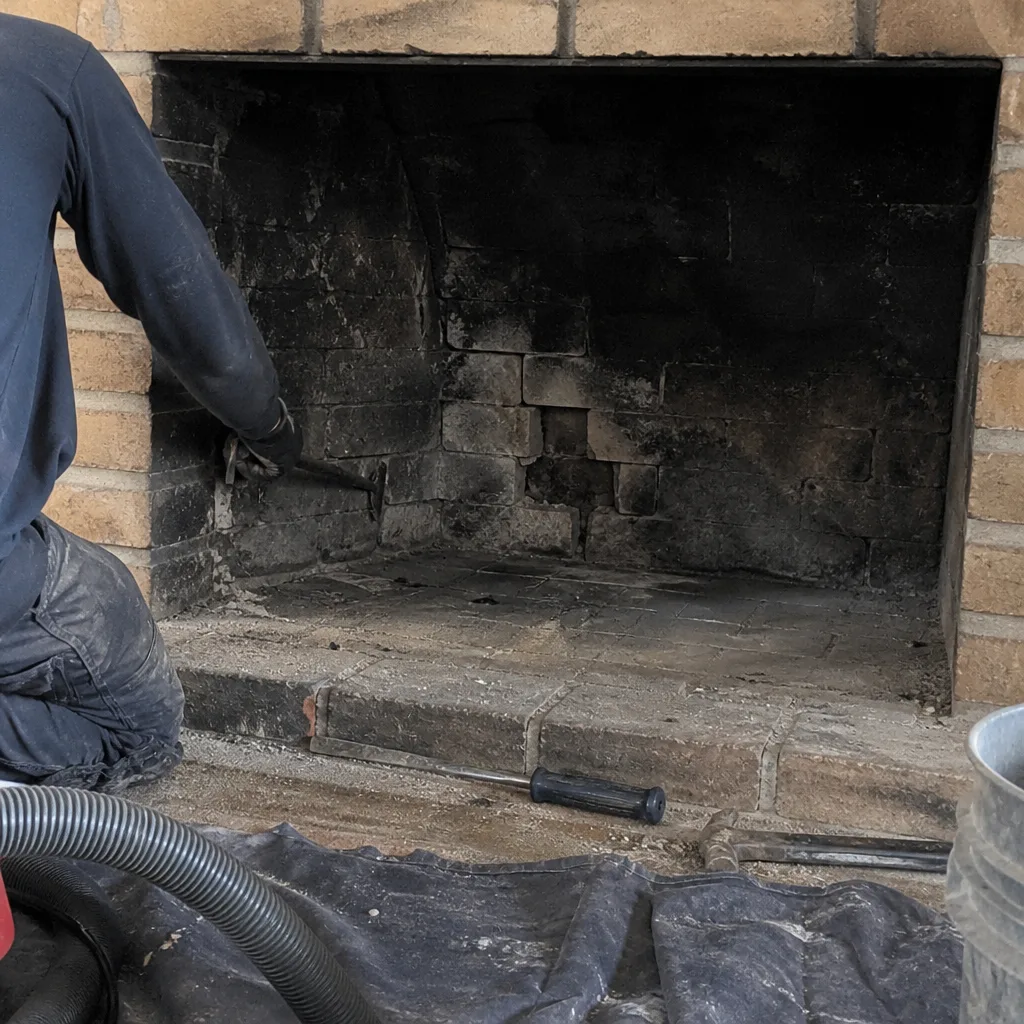
- Setup and protection. Drop cloths or a floor cover over the hearth and surrounding room, plus a shop-vac rated for soot connected at the firebox. Anything that can’t be moved gets covered.
- Camera inspection first. Before brushing, a camera goes up the flue to document the deposit type, stage, and any obstruction. This is where a stage 2 or 3 glaze gets identified, not after the brush fails.
- Creosote removal. Brushes matched to the flue’s shape and liner material, working from the firebox up or from the top down. Glazed creosote gets chemical treatment or a rotary tool rather than a plain brush pass.
- Debris and nesting removal. The smoke chamber and shelf are swept and vacuumed. This is often where a bird’s nest or a squirrel’s stored material shows up, especially after an idle season.
- Post-clean camera check. A second camera pass to confirm the deposit is gone and the liner is intact.
- Cap and crown inspection and minor adjustment. Loose caps get tightened or replaced; minor crown cracks get flagged for repair.
- Report and photos. A written summary with before and after images and a clear note on anything that needs attention now versus later.
Expect the visit to take an hour or more depending on the flue and the deposit type. A glazed flue or an obstructed firebox takes longer. If you want a cap installed or a crown repair done at the same visit, that’s fine – a full-service chimney specialist can handle sweep, inspection, cap, crown, and liner resurfacing without you calling a second contractor. And if a repair truly can wait, you should hear that plainly.
What Chimney Cleaning Costs in Brea
Chimney work in Brea is priced per job by estimate, not by an hourly rate, and any reputable specialist gives you the written estimate before any work begins. Here are typical estimated ranges for a Brea home so you know roughly what to expect. The written estimate always sets the final price.
- Routine chimney sweep + Level 1 inspection: $180 to $340
- Level 2 inspection with camera and video report (no sweep): $250 to $450
- Chimney sweep + inspection + cap installation: $320 to $600
- Crown repair or resealing (minor to moderate): $300 to $700
- Crown rebuild: $600 to $1,400
- HeatShield liner resurfacing (per linear foot, depending on flue size): $75 to $150
- Full flexible liner installation (DuraFlex or comparable): $2,200 to $5,500, depending on flue length and configuration
These are typical estimates for the Brea market. What moves a quote to the high end: a glazed liner that needs chemical treatment, a flue with an irregular or offset shape that needs a flexible retrofit, or damage that widens the scope of a repair. What can bring you in at the low end: a straightforward flue, an up-to-date inspection, and a cap that just needs a tightening.
A free estimate means just that. There’s no charge for us to look and give you a written price, and the written price is what you pay. If a homeowner’s only worry is being told they need thousands of dollars of liner work they can’t verify, the answer is that any liner or repair recommendation should come with camera evidence and photos you can see before anything is authorized.
Common Mistakes to Avoid
- Treating a lightly used fireplace as automatically clean. In Brea’s short burning season, a fireplace can build stage 2 creosote in a flue that’s seen only a few dozen fires. The idle-season deposit is exactly what a generic cleaning miss.
- Skipping the inspection to save time. A brush-and-go visit cleans the firebox and misses the upper flue, the liner joints, and the smoke chamber. The inspection is what makes the cleaning meaningful.
- Ignoring the cap. In a valley where wildlife and wind-blown debris are common, a missing or loose cap lets birds and squirrels into an idle flue and lets rain and grit settle on the smoke shelf. Cap and crown are part of the job, not extras.
- Confusing a brush pass with a safe flue. Glazed creosote needs a different tool. If a sweep never checks the stage with a camera, you don’t know what’s actually up there.
- Burning unseasoned or wet wood. Wet wood burns cool, deposits more creosote, and fights the draft you’re relying on. Seasoned, dry firewood burns cleaner and produces less deposit.
- Waiting until smoke is backing into the room. A weak draft, a cold chimney on a windy Santa Ana evening, or an obstructed flue all behave the same way from inside the house. None of them gets better by waiting.
- Letting a contractor talk you into a full reline instead of resurfacing. A HeatShield resurfacing can renew a liner at a fraction of the cost of a full replacement when the liner is still structurally sound. A specialist should be explaining both options, not just the big one.
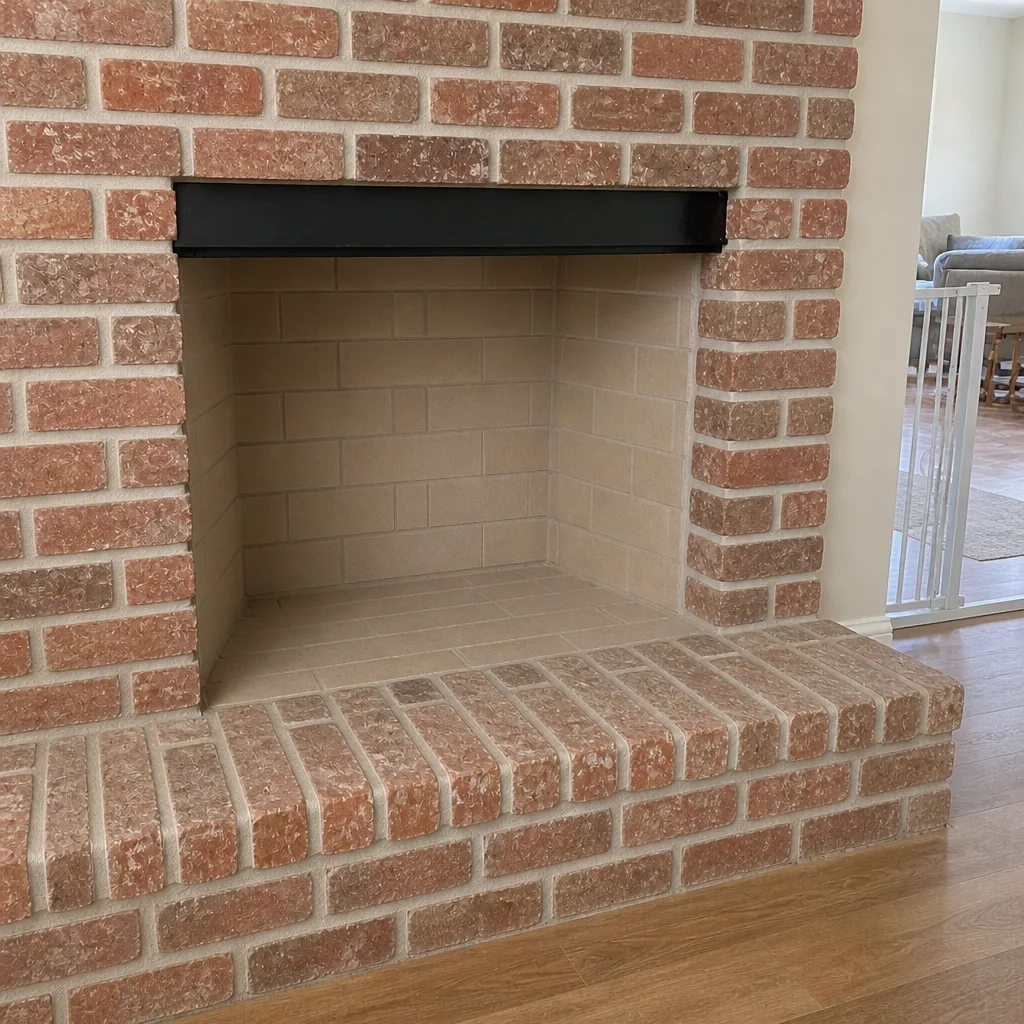
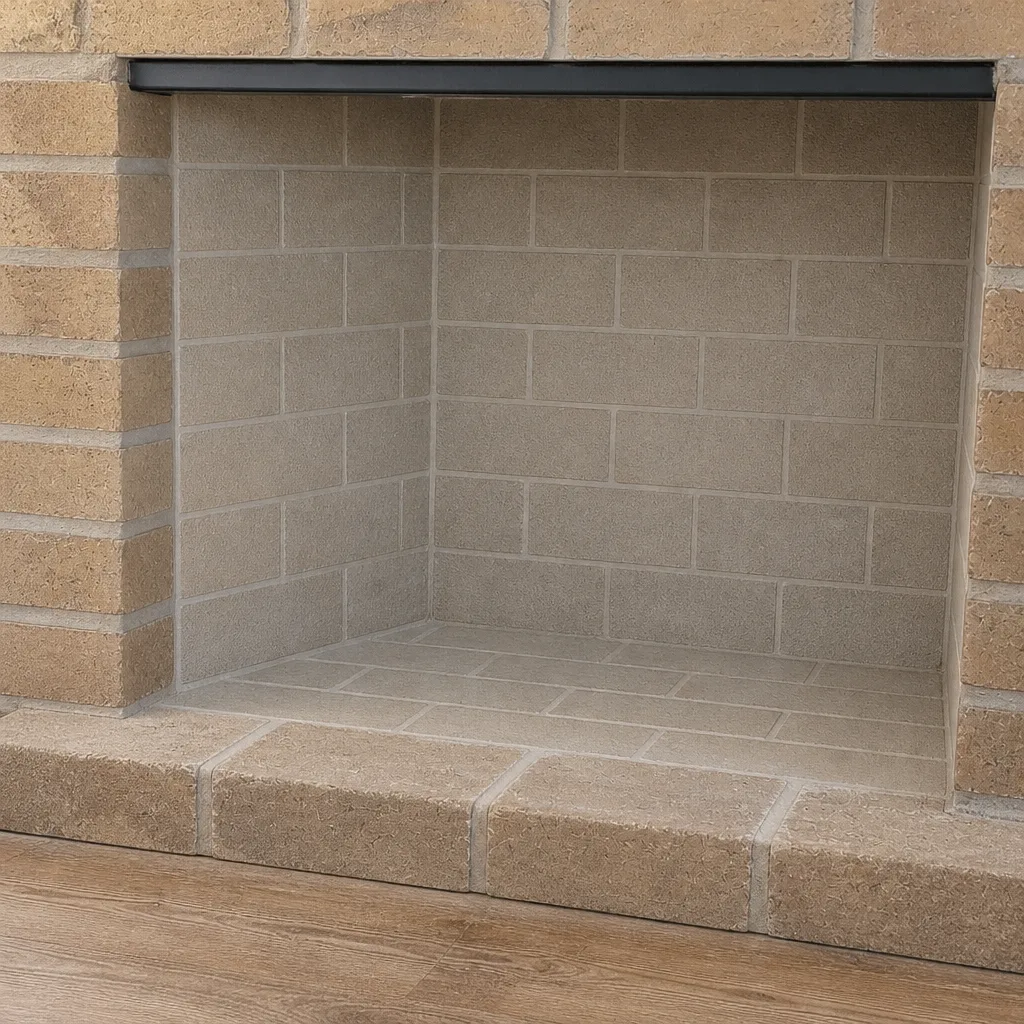
See the difference
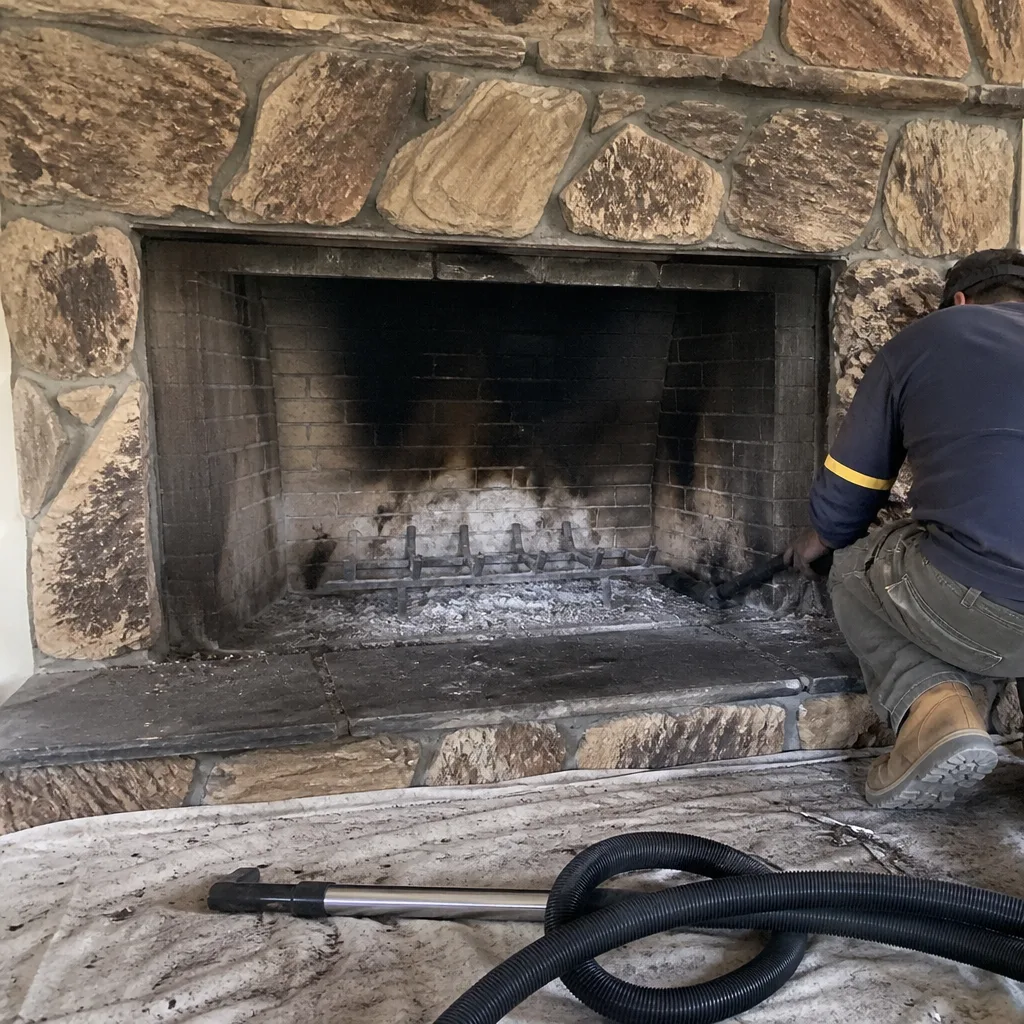 Before
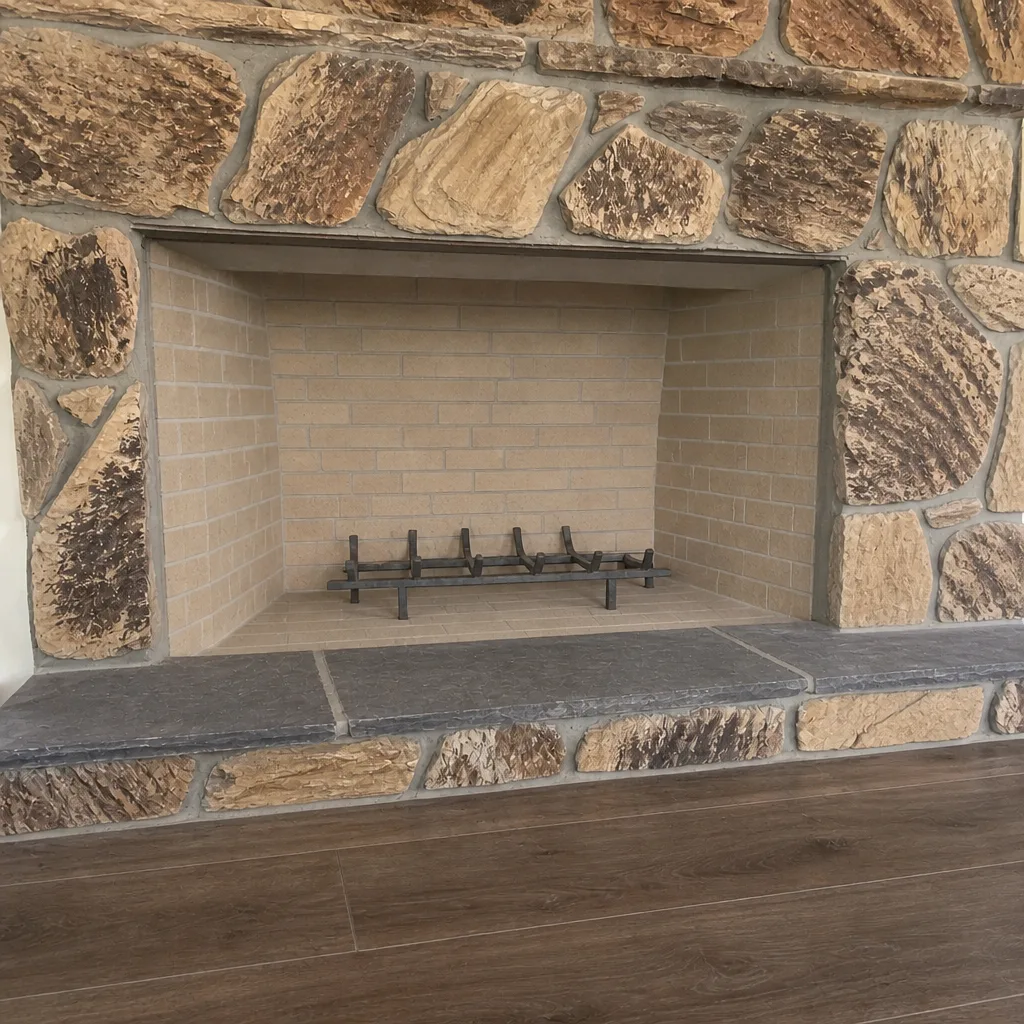 After
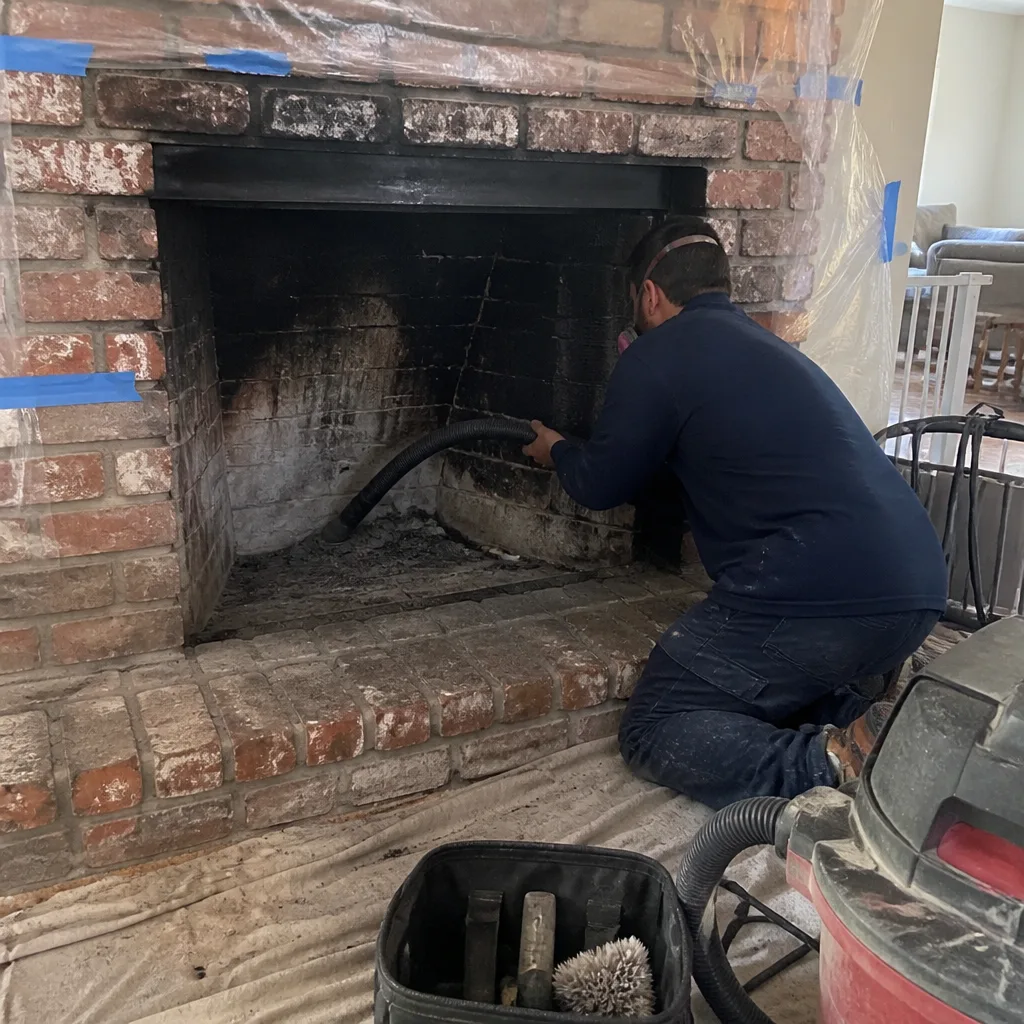 Before
 After
 Before
 After
When to Call a Professional
Call a professional when the fireplace is smoking into the room rather than drafting, when you see visible cracks or gaps in the firebrick, crown, or liner, or when an animal has been in and out of the flue. Call after any chimney fire, even a small one you think put itself out, and before your first fire of the season in any Brea home that’s been idle since spring. Call if you’re buying a house and want to know what the chimney really looks like, and call if it’s been more than a year since the last documented cleaning. What you shouldn’t do is reach into a flue or try to clean glazed creosote yourself; both are genuinely dangerous without training and the right tools. Chimney Sweep Brea offers free estimates in Brea – call (877) 792-7505. Our technicians have up to 13 years of experience, and every visit includes camera documentation you can see for yourself.
Frequently Asked Questions
A routine chimney sweep with a Level 1 inspection in Brea typically runs between $180 and $340, and the written estimate before any work begins sets the final price. That range covers a standard flue and normal deposit; glazed creosote or an obstructed firebox adds to the scope and the time. Call (877) 792-7505 for an exact quote – estimates are free.
Once a year is the standard, and it’s the minimum for any fireplace that gets used at all – even a handful of fires a season. Because Brea fireplaces tend to sit idle for long stretches, the annual inspection matters as much as the sweep: it catches animal intrusion, loose caps, and crown cracks that a winter of not burning can hide. If you burn often, schedule by deposit thickness rather than by the calendar, and ask for a camera check. Call (877) 792-7505 to book a sweep and inspection – estimates are free.
You need a new liner when a camera inspection shows the liner is cracked, spalled, or has open joints that could let heat and carbon monoxide into the structure. You don’t need one just because the liner is old. HeatShield liner resurfacing can renew a structurally sound liner from the inside at a fraction of the cost of a full replacement, and DuraFlex flexible liners are used when a flue’s shape requires a fitted retrofit rather than a standard liner. A specialist should show you the camera evidence and explain both options. Call (877) 792-7505 for an inspection quote – estimates are free.
Creosote builds up and becomes fuel for a chimney fire the moment it ignites – stage 3 glazed creosote can burn hot enough to damage the liner and spread into the surrounding structure. Separately, an obstructed flue can push carbon monoxide back into the house instead of venting it outside. Skipping the cleaning also hides the slower problems – a failing crown, a cracked liner, an animal nest – that a camera inspection would catch while a repair is still small. If you’re past due, call (877) 792-7505 and book an inspection – estimates are free.
Yes, but glazed creosote needs chemical treatment or a rotary tool rather than a standard brush pass. The camera inspection at the start of the visit is what identifies the stage and drives the right approach; if the glaze is extensive and the liner is sound, HeatShield resurfacing may be the better long-term fix than repeated chemical sweeps. We won’t tell you it’s fixed until the post-clean camera pass shows it’s actually gone. Call (877) 792-7505 to schedule – estimates are free.
The basic tools are the same, but the deposit pattern differs. Brea’s short burning season and long idle stretches favor glazed stage 2 and stage 3 creosote plus animal intrusion and Santa Ana backdraft debris, rather than the steady soot buildup of a cold-climate chimney. That’s why the inspection is the more important half of the visit here: it catches the creosote the sweep might miss and the debris that idle-season winds have pushed into the smoke chamber. Call (877) 792-7505 for a Brea-specific inspection quote – estimates are free.
Choosing a Chimney Specialist in Brea
Not every chimney service in Brea is set up the same way, and the differences show up in what you get for the visit. A specialist can handle the sweep, the inspection, the cap and crown, the liner work, and the fireplace repair under one visit, with one written report and one point of accountability. A generalist handyman with a brush can sweep a firebox, but the camera inspection, the creosote staging, the crown repair, and the flexible liner retrofit are specialist work. The reason we care about brand-name materials – HeatShield for liner resurfacing, DuraFlex for flexible retrofit liners, Olympia Chimney and Famco components, Gelco and Copperfield for the broader repair scope – is that a repair built to last is easier to verify than one patched to pass. If a crown is failing, we’d rather reseal it properly with a proven material than caulk over it. If a liner can be resurfaced instead of replaced, we’ll say so.
What you should expect from any Brea chimney specialist you hire: a written estimate before any work, camera evidence with before and after photos for every cleaning and every repair, and a clear answer to the question “does this need fixing now, or can it wait?” A specialist who recommends a full reline without showing you the camera footage, or who declines to explain why a HeatShield resurfacing isn’t the right answer for a given flue, is one to be cautious with. The work is straightforward when it’s done right, and the only way to verify it’s done right is to see the evidence. If your fireplace repair needs attention beyond a sweep, that’s the kind of thing we’d rather catch and explain now than have you discover on a cold night. If you’d like to talk through options for fireplace repair alongside the sweep, we’re happy to look at both in the same visit.
The Bottom Line
Chimney cleaning in Brea isn’t about scraping soot off a heavily used flue; it’s about what a lightly used, mostly idle chimney collects over a long dry season. That means stage 2 and stage 3 creosote, Santa Ana wind debris, and the occasional animal nest in a flue nobody’s looked at since spring. A brush pass alone doesn’t catch any of that. What does is a camera inspection paired with the sweep, plus a specialist who can handle the cap, the crown, the liner resurfacing, and any fireplace repair without sending you to a second contractor. Estimate ranges in Brea run about $180 to $340 for a routine sweep and Level 1 inspection, and $2,200 to $5,500 for a full flexible liner replacement when the inspection shows one is needed. The written estimate sets the final price, and nothing gets recommended without photos you can see for yourself.
If you’re not sure where your chimney stands, that’s the one question worth settling before your first fire this season. Call (877) 792-7505 for a free estimate. We answer 24/7. Fast dispatch from 7am to 7pm, Sunday through Friday.
Written by the team at Chimney Sweep Brea.