
Last updated November 25, 2026
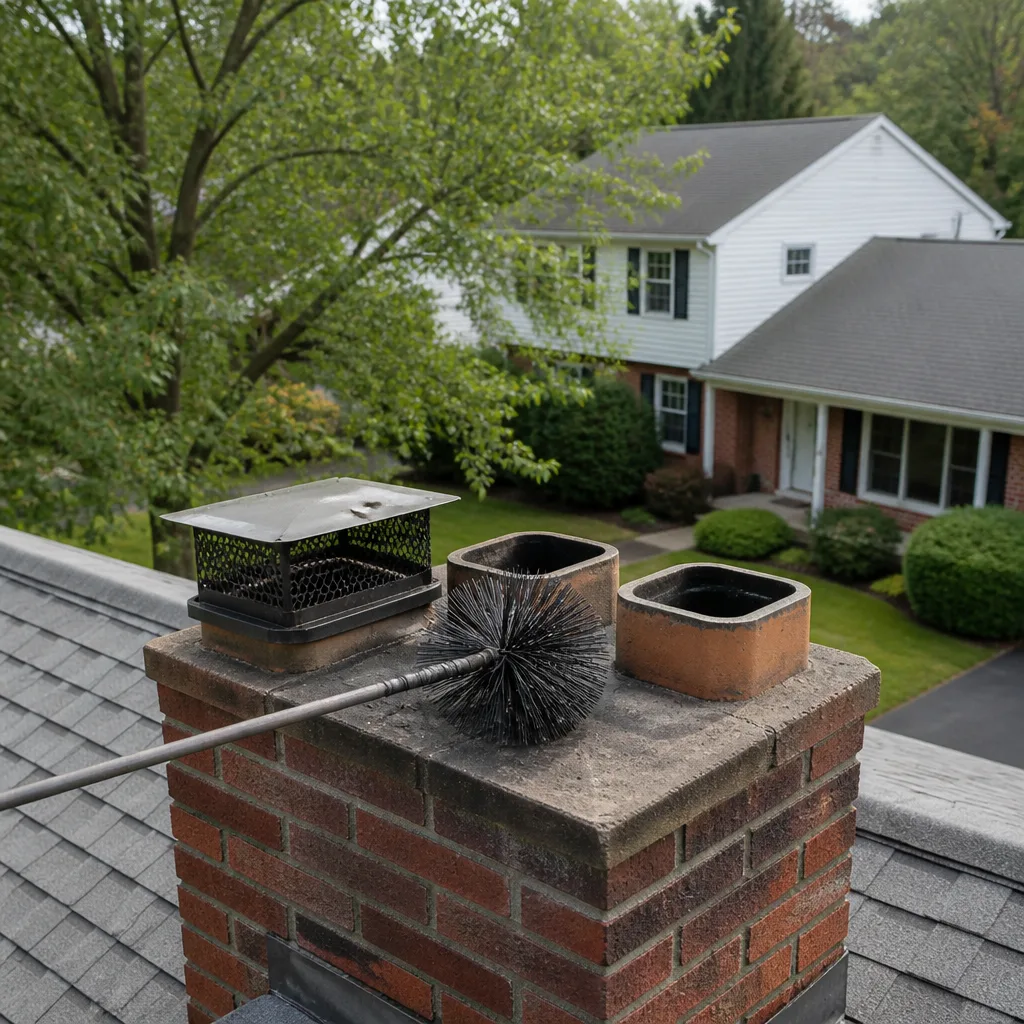 Sweep & inspection
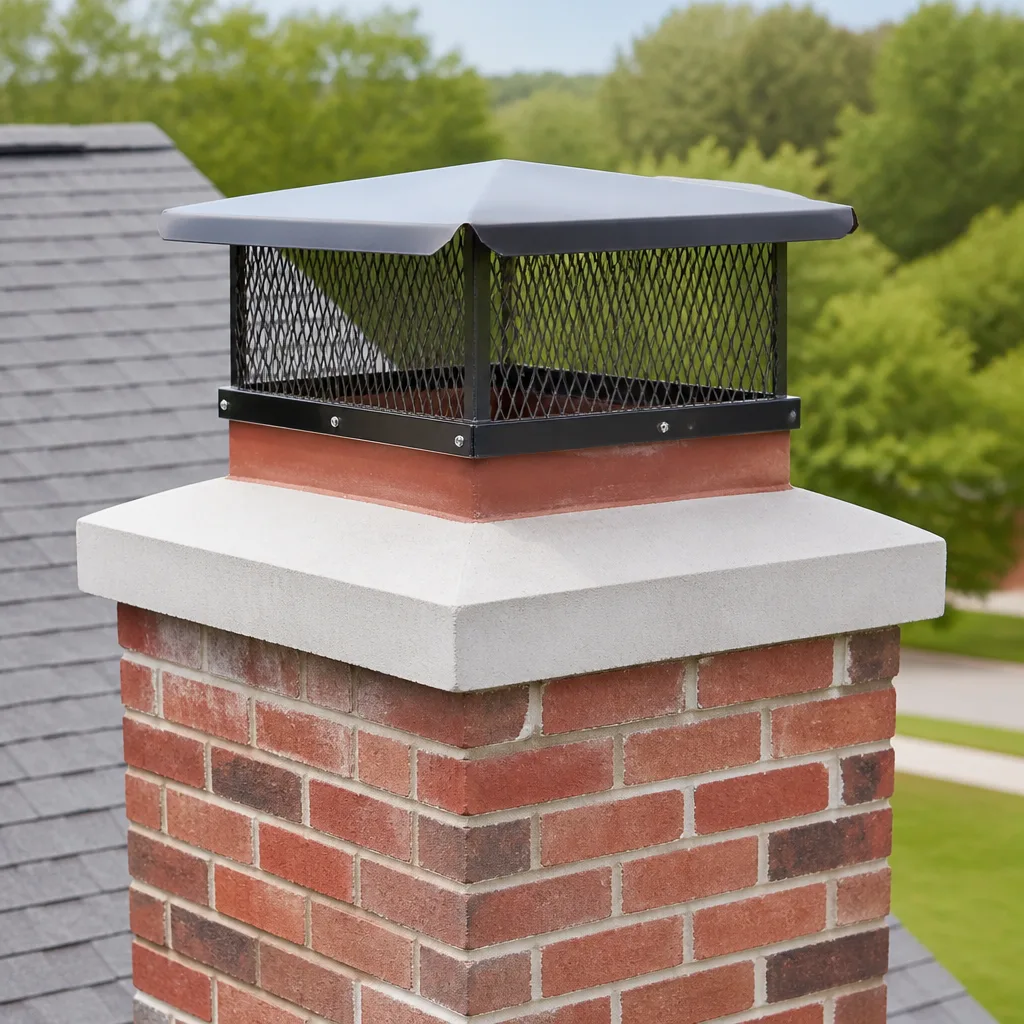 Caps & crowns
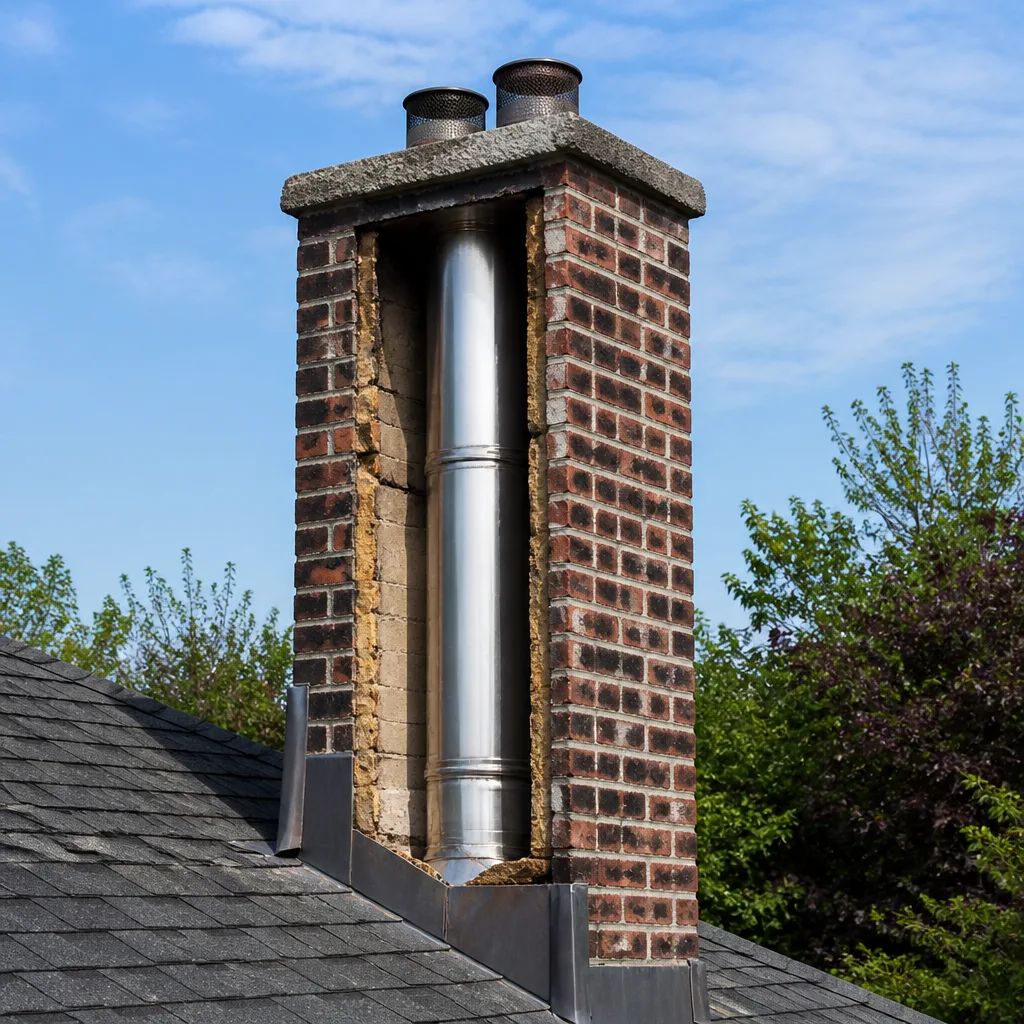 Flue relining
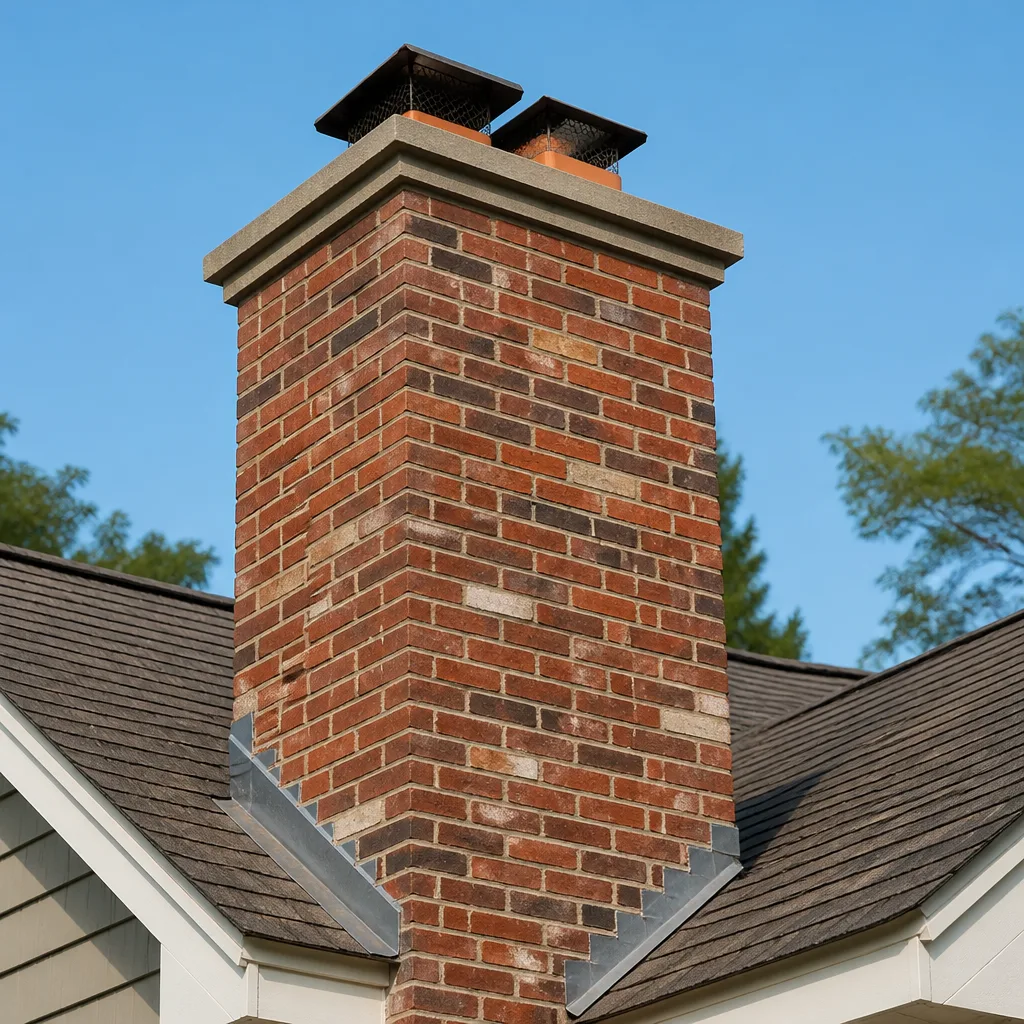 Masonry repair
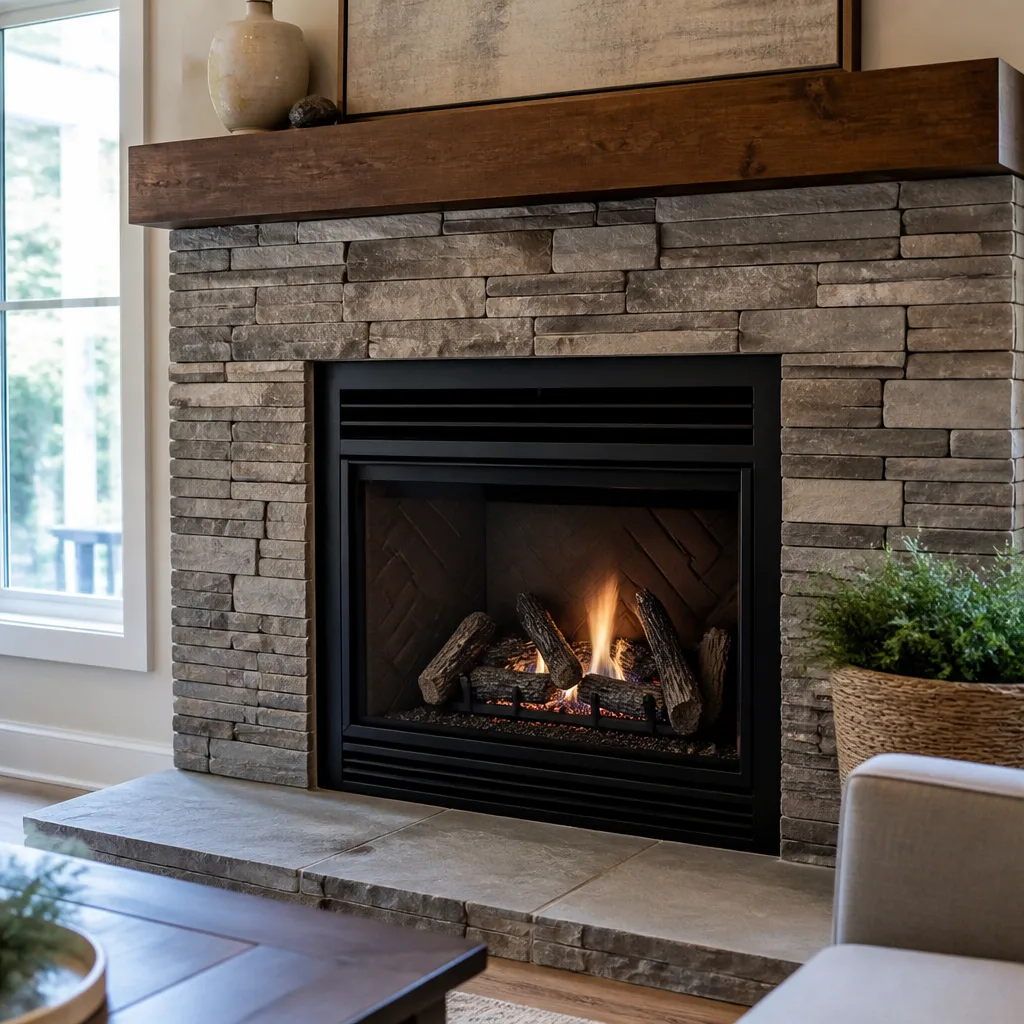 Gas fireplace service
Level 1 sweep and inspection to the NFPA 211 annual standard - flue, crown, cap, and flashing checked and photographed
Chimney sweep logs do not sweep chimneys. They loosen some creosote - which then falls where a brush and vacuum still have to collect it.
How to Hire a Chimney Cleaning Contractor in Brea: A Step-by-Step Guide
The company that shows up with the lowest quote is often the one least equipped to tell you what your chimney actually needs. In Brea, a market crowded with generalist handymen and franchise outfits, the contractor who charges the least frequently runs a rotary brush without vacuum containment, skips the inspection, and hands you a bill before you’ve learned whether your flue has a problem at all. Knowing what to ask, how to verify credentials, and how to read an inspection report turns a stressful hire into a four-minute checklist. This guide gives you the framework to separate a real chimney specialist from a brush-and-quote operator, so the money you spend goes toward work that holds up.
Quick Answer
To hire a chimney cleaning contractor in Brea, verify three things before booking: a current CSIA certification you can look up independently on the CSIA website, a written estimate that itemizes cleaning and inspection separately, and confirmation that the crew uses vacuum containment during sweeping. Ask whether the contractor performs structural repair and cap/crown work in-house or only sweeps, and request the inspection findings in writing with photos. A legitimate specialist welcomes all four requests; an operator who dodges them is telling you something.
Styles & brands we work with
- Sweep & inspection
- Caps & crowns
- Flue relining
- Masonry repair
- Gas fireplace service
Table of Contents
- The Three Certifications That Actually Matter (and How to Verify Each)
- The Questions That Reveal a Full-Service Specialist
- How to Read a Chimney Inspection Report
- What a Legitimate Estimate Should Itemize
- Why the Lowest Bid in Brea Usually Costs More
- Materials That Signal a Real Repair Specialist
- What’s Different About Chimneys in Brea
- How Often You Actually Need a Sweep
The Three Certifications That Actually Matter (and How to Verify Each)
Three credentials separate a trained chimney professional from someone with a brush and a ladder: CSIA, NFI, and NCSG. Each one is verifiable in minutes through the issuing organization’s own find-a-professional tool, and each one tells you something different about the contractor’s competence. A contractor who claims any of these without being able to point you to a verification page has just told you everything you need to know.
CSIA: Chimney Safety Institute of America
The CSIA Certified Chimney Sweep credential is the baseline for this trade. It requires passing a proctored exam and completing continuing education to stay current. To verify, visit the CSIA website’s searchable directory, enter the contractor’s name or company, and confirm the certification is active, not expired. If a contractor says “CSIA trained” instead of “CSIA certified,” that’s a softer claim, and worth clarifying. Certification is not the same as training.
NFI: National Fireplace Institute
NFI certification covers gas, wood, and pellet appliance installation and service. It’s the credential that matters when your job involves fireplace repair, a gas log set, or an insert. An NFI-certified specialist has demonstrated knowledge of venting, combustion, and clearances specific to the appliance type. Verify through the NFI directory the same way you would with CSIA.
NCSG: National Chimney Sweep Guild
The NCSG is a trade membership organization rather than a certification body, but membership signals that a contractor is engaged with the industry’s professional community and code updates. It’s a secondary credential, not a substitute for CSIA, but it’s a good tiebreaker when two contractors look otherwise equal.
Our technicians have up to 13 years of experience, and we encourage you to verify every credential we claim independently. A contractor who resists that scrutiny is one worth skipping.
The Questions That Reveal a Full-Service Specialist
The difference between a sweep and a specialist shows up in how they answer five questions. A sweep-only operator brushes the flue and refers you elsewhere for anything structural. A full-service specialist handles cleaning, inspection, repair, relining, and cap and crown work end to end, which means the person who found the problem is also the person who fixes it. Here’s what to ask before you book.
- “Do you perform chimney repair and relining yourself, or do you refer it out?” A specialist answers without hesitation and can describe the materials they use for relining. A generalist will hedge or say they “have a guy.”
- “What does your inspection cover, and will I get photos?” A proper inspection includes a camera scan of the flue and a written report. Verbal findings only are a red flag.
- “Do you install chimney caps and crowns?” If the answer is no, the contractor isn’t set up for preventive maintenance, which is a core part of chimney care.
- “What brands do you use for liners and resurfacing?” You’re listening for names like HeatShield, DuraFlex, Olympia Chimney, or Gelco, not a vague “we use the best.”
- “Will the crew run a vacuum the whole time?” If they can’t confirm vacuum containment, dust will end up in your living room. This is a basic setup question, not a premium feature.
If you’re looking for the right specialist, our Chimney Sweep Brea service page lays out exactly what a full-service visit includes, from inspection through written findings. Use it as a comparison point when you talk to other contractors. The scope should match.
How to Read a Chimney Inspection Report
A chimney inspection report falls into one of three levels, and knowing which level you received tells you whether the findings are trustworthy. A Level 1 inspection is a visual check of accessible components, suitable when your chimney is in regular use with no known problems. A Level 2 includes a camera scan of the flue and is required when you’ve changed appliances, bought a home, or had a chimney fire. A Level 3 involves opening walls or removing components to access concealed areas. Most Brea homeowners need Level 2 after a home purchase or any scare.
Within the report, look for these specifics:
- Measurements, not adjectives. “Flue liner has a 2-inch crack at the 8-foot level” is a finding. “Liner shows wear” is filler that hides whether repair is actually needed.
- Photo documentation. A camera scan means photos. Ask to see them.
- Separate sections for cleaning and repair. If the report doesn’t clearly separate “this needed cleaning” from “this needs repair,” push for the distinction.
- Creosote level and type. Glazed, stage-three creosote is a fire hazard and means something different from soot buildup.
- Clear recommendation on urgency. A good report tells you what’s urgent, what can wait a season, and what’s simply due for monitoring.
Vague language is the main tell. If you can’t point to a specific finding in the report and understand what it means, ask for clarification in writing before you approve any work. A specialist will welcome the question; a contractor relying on ambiguity will push back.
What a Legitimate Estimate Should Itemize
A flat “cleaning fee” with no scope detail is the single most common warning sign in chimney estimates. Legitimate estimates break the job into discrete lines with materials and labor called out where relevant, so you can compare bids on an apples-to-apples basis and see exactly what you’re paying for. Here’s what to expect in a properly itemized estimate.
- Inspection level and price – whether it’s Level 1 or Level 2, and whether a camera scan is included.
- Sweeping scope – which flue, which appliance, and whether the firebox and smoke chamber are included.
- Repair line items – each repair listed separately with materials named (for example, HeatShield resurfacing or a DuraFlex liner section).
- Cap and crown – quoted as its own scope if needed, not bundled into a cleaning price.
- Written terms – what’s included, what’s excluded, and how change orders are handled.
- Unit pricing – per linear foot for liners, per unit for caps, so you understand the cost driver.
We work with professional-grade brands including Olympia Chimney and Famco because those materials hold up to years of heat cycling, and the estimate names them. When a bid doesn’t name materials, ask which brand the contractor intends to install. If the answer is “whatever’s available,” you’ve found your red flag.
A written estimate is part of our process on every job, and the price you agree to before work begins is the price the written estimate sets. Nothing gets added after the fact.
Why the Lowest Bid in Brea Usually Costs More
The lowest bid in Brea’s market is frequently the bid that skips the inspection and runs a rotary brush without a vacuum. Rotary cleaning without containment sends soot and creosote dust into your home’s air and settles on surfaces throughout the room. It also bypasses the camera scan that would have caught a cracked flue liner, a damaged damper, or a nesting animal. The homeowner saves a couple hundred dollars on the sweep and inherits a repair bill months later that a proper inspection would have flagged up front.
There’s a second cost that’s harder to see: an operator who only sweeps often recommends a full reliner as the fix for any finding, because that’s the only repair they know how to sell. A resurfacing option like HeatShield, which can extend a liner’s life without full replacement, is outside their scope. So is a cap and crown install. The cheaper bid pushes you toward the more expensive repair.
Compare on scope, not price. A bid that includes a Level 2 inspection, vacuum containment, a written report with photos, and a clear recommendation on whether repair is needed is worth more than a bid that doesn’t – even if the number on the page is higher. The written estimate always sets the final price, so get it before anyone picks up a brush. If work can safely wait a season, a good contractor tells you so.
Materials That Signal a Real Repair Specialist
Chimney repair is a materials business. The brand names in an estimate tell you whether the contractor is set up for durable repair or for patching to pass inspection. Here’s how the materials separate the specialists from the generalists.
- HeatShield is a ceramic resurfacing system applied to the inside of a clay flue. It extends the life of a liner that’s cracked but still structurally sound, often at a fraction of the cost of a full reliner. A contractor who can offer HeatShield is solving a different problem than one who can only reliner.
- DuraFlex flexible liners handle retrofit jobs in older or irregularly shaped flues that a rigid liner can’t navigate. Brea has its share of older homes with offsets and non-standard flue configurations, and flexible liner expertise is what makes those jobs possible without tearing into walls.
- Gelco and Famco round out the material stack for crown and cap work and related components. A contractor who names specific brands in the estimate is signaling they know the difference.
When we quote a reline or a resurface, the estimate names the system you’re paying for. That’s the standard you should demand from any Brea contractor you hire. If the brand is missing, ask before you sign.
What’s Different About Chimneys in Brea
Brea’s mild winters shape how chimneys wear here, and it matters for how you hire. Because the heating season is short and the climate doesn’t punish a chimney the way a colder region would, many homeowners go years between sweeps. That gap is exactly when creosote accumulates in the flue unchecked and small cracks in the mortar crown widen unnoticed. A sweep skipped for two or three seasons doesn’t just mean a dirty flue; it means the first inspection in years may surface repairs a homeowner didn’t expect.
The city’s housing stock adds a second layer of complexity. Neighborhoods north of Imperial Highway include homes built across several decades, from mid-century properties to newer construction, and the older chimneys often have flue configurations that require a flexible liner rather than a rigid one. Brea’s hillside properties see wind exposure that can loosen caps and crown mortar, and a cap that’s come loose lets birds and debris into the flue. That’s a common finding on a first inspection in Brea, and it’s why cap and crown work is part of our core services rather than an upsell.
The practical takeaway for hiring: ask any Brea contractor whether they can handle a flexible-liner retrofit, resurfacing with HeatShield, and cap or crown installation in the same visit. If the answer is yes for all three, you’re talking to a specialist. If it’s no for any of them, keep looking. Our chimney repair page outlines the structural scope a specialist should offer, and our fireplace repair page covers the appliance side of the same job.
How Often You Actually Need a Sweep
The general rule of thumb in this trade is an annual inspection, with sweeping as often as creosote buildup requires – which for a regularly used wood-burning fireplace is usually once a year. For gas fireplaces, an annual check still matters even though there’s no creosote, because venting problems and debris in the flue don’t announce themselves. For a fireplace you use a few times a season, the inspection interval can stretch, but you should not skip it for years at a time.
Here’s a practical schedule for a Brea homeowner:
- Annually: a Level 1 inspection of the visible components, with a sweep if the creosote level warrants it.
- After a home purchase: a Level 2 inspection with a camera scan, before you use the fireplace for the first time.
- After any chimney fire or smoking event: a Level 2 inspection to rule out damage to the flue and liner.
- After animal intrusion or a cap failure: an inspection to check for nesting material and debris in the flue.
- Every few years: a cap and crown check, so loose mortar or a displaced cap gets caught before it becomes a leak.
A proper chimney sweep includes the inspection as part of the visit, not as a separate add-on. If a contractor tries to charge you for a sweep and then a separate inspection on the same visit, ask why they’re billing twice for the same set of findings.
Common Mistakes to Avoid
- Hiring on price alone. In Brea’s market, the cheapest bid is often the rotary-brush-no-vacuum job that skips the inspection. You’ll pay twice – once for the sweep and again for the repair the inspection would have caught.
- Accepting verbal findings. If you don’t get a written report with photos, you have no way to verify whether the repair recommendation is real. Ask for it before work begins.
- Assuming “CSIA trained” means certified. Verification takes two minutes on the CSIA website. Do it before you book, not after.
- Skipping the cap and crown check. Loose caps let birds and debris in, and worn crown mortar lets water into the chimney structure. Both are cheap to fix and expensive to postpone.
- Letting a sweep-only operator talk you into a full reliner. If resurfacing like HeatShield is an option for your flue, a specialist explains it. An operator who only sweeps often doesn’t offer it.
- Scheduling a gas fireplace sweep when you need an inspection. Gas fireplaces don’t produce creosote, but they can have venting problems and debris in the flue. Ask for the inspection, not just a sweep.
- Ignoring the mortar crown until it leaks. In Brea’s hillside wind, crown mortar erodes over time. Catching it early keeps water out of the chimney structure.
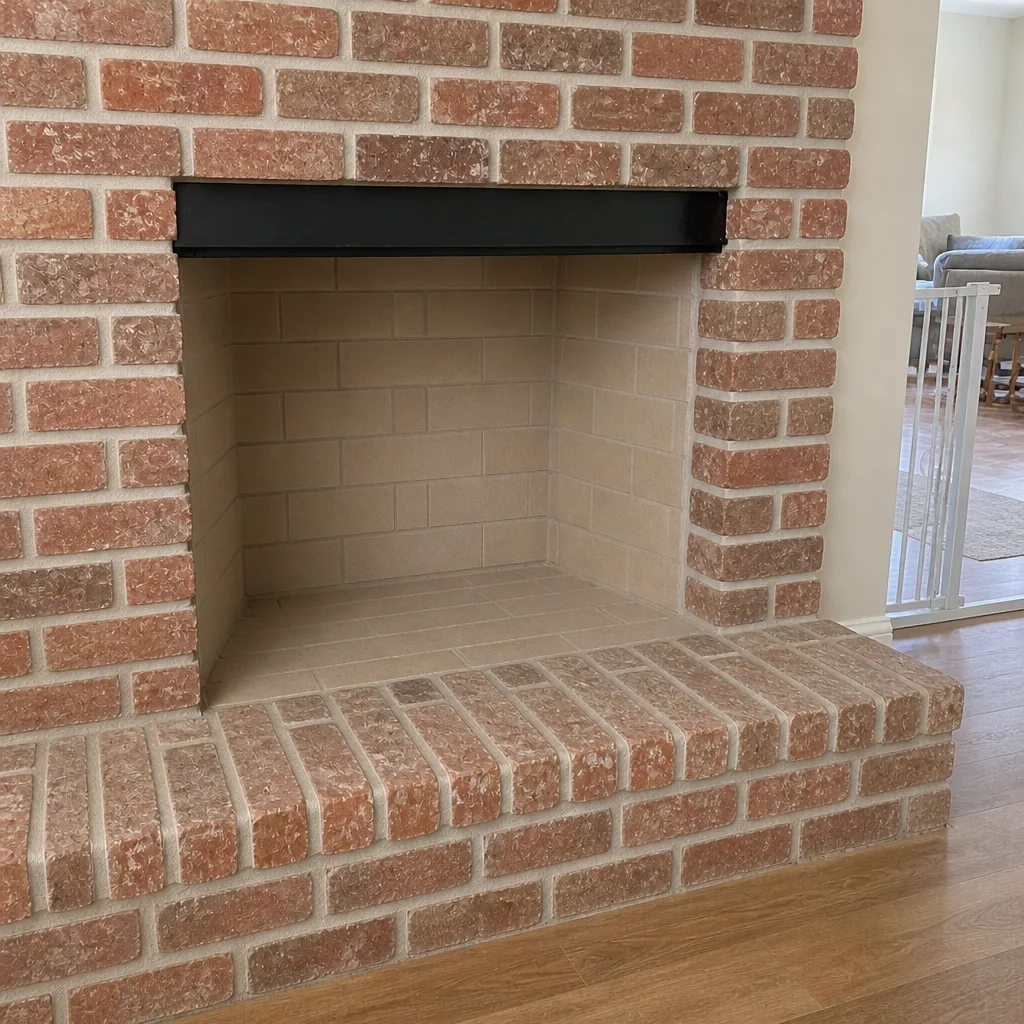
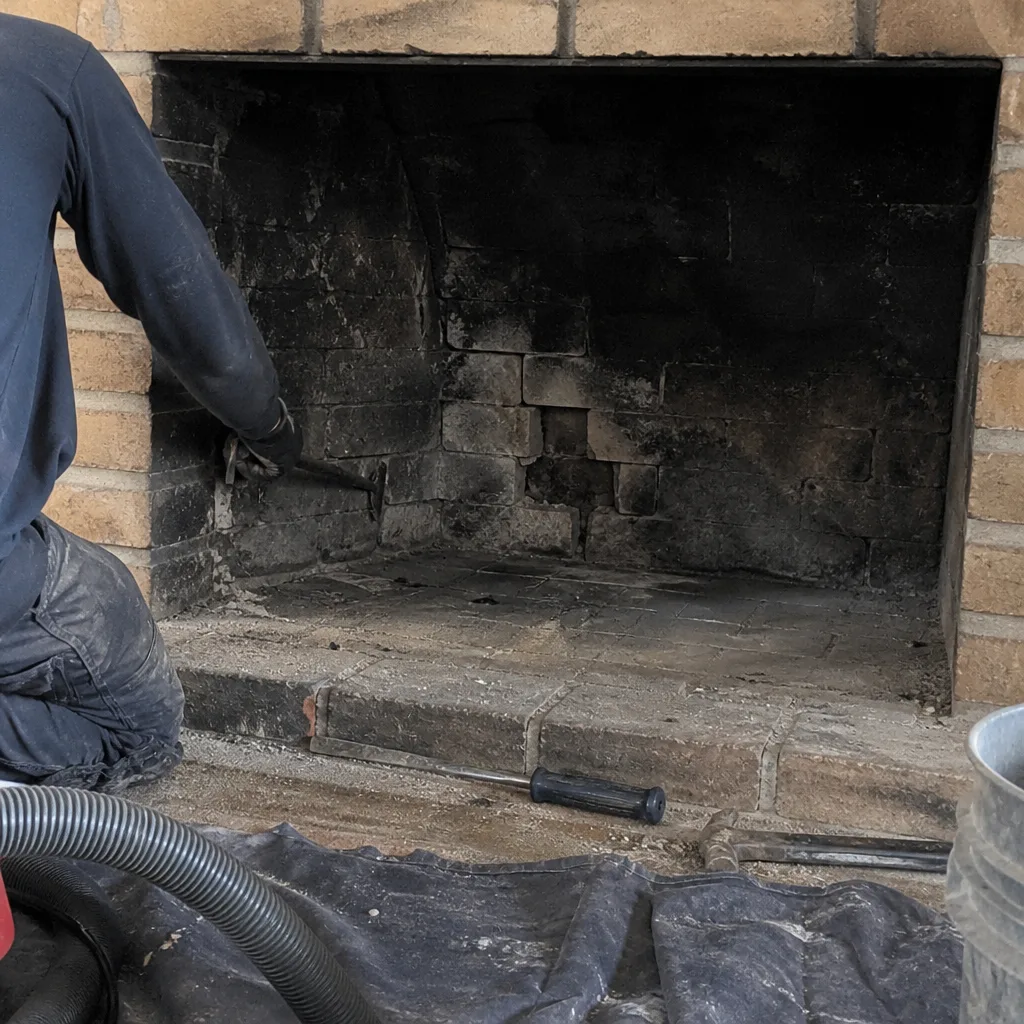
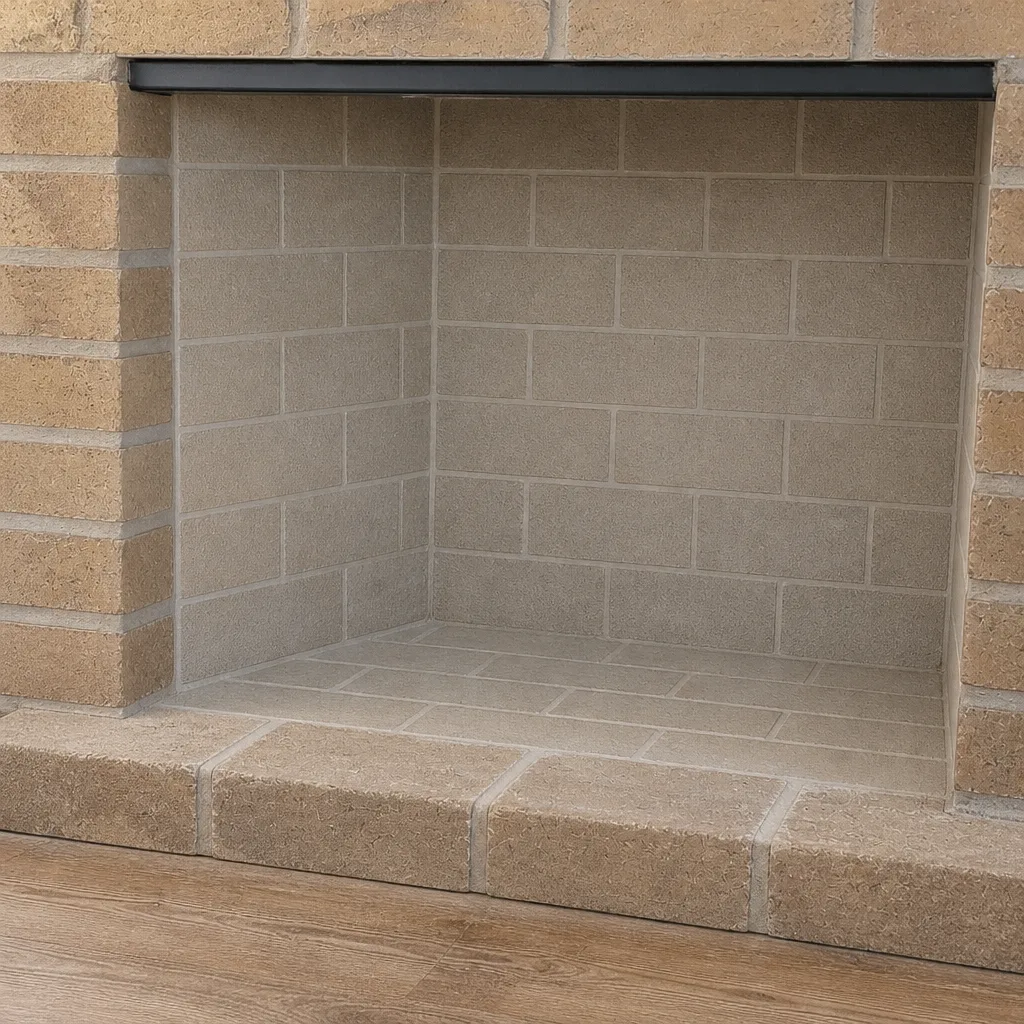
See the difference
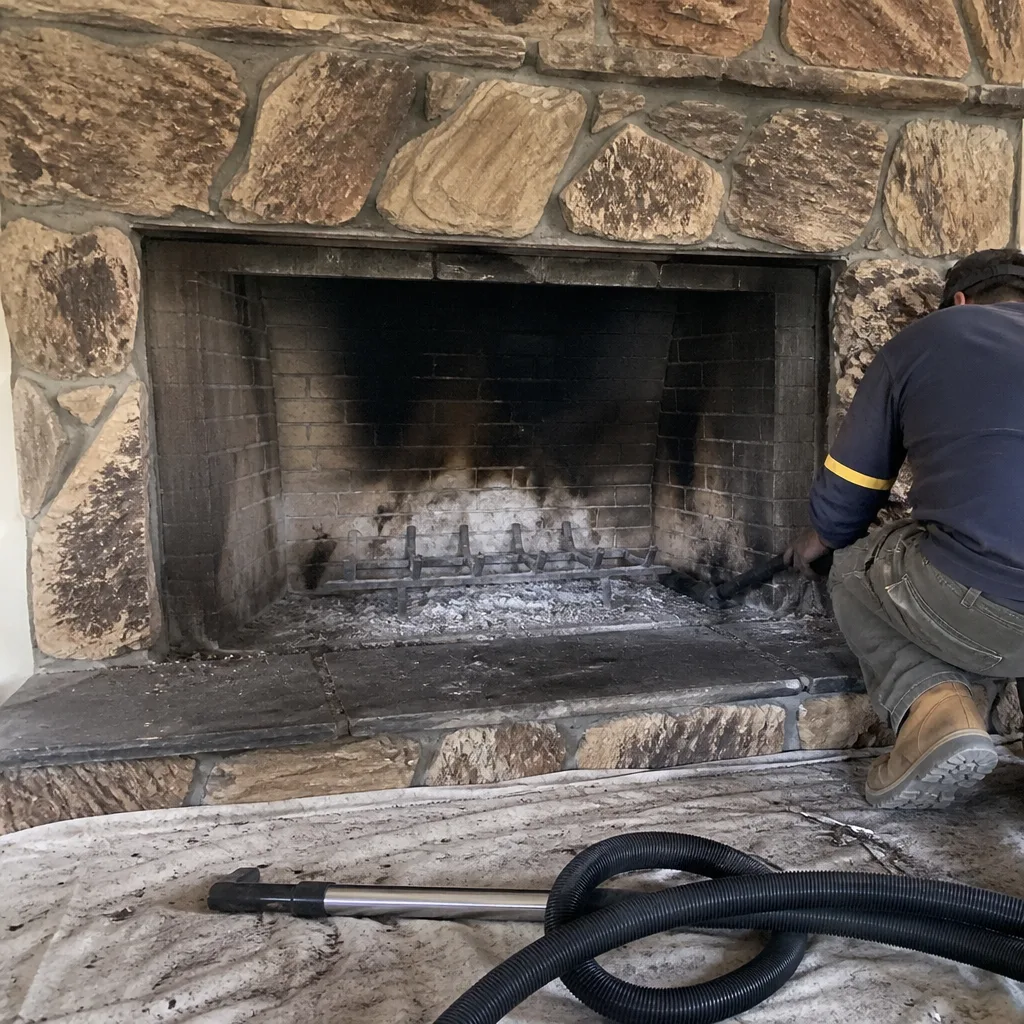 Before
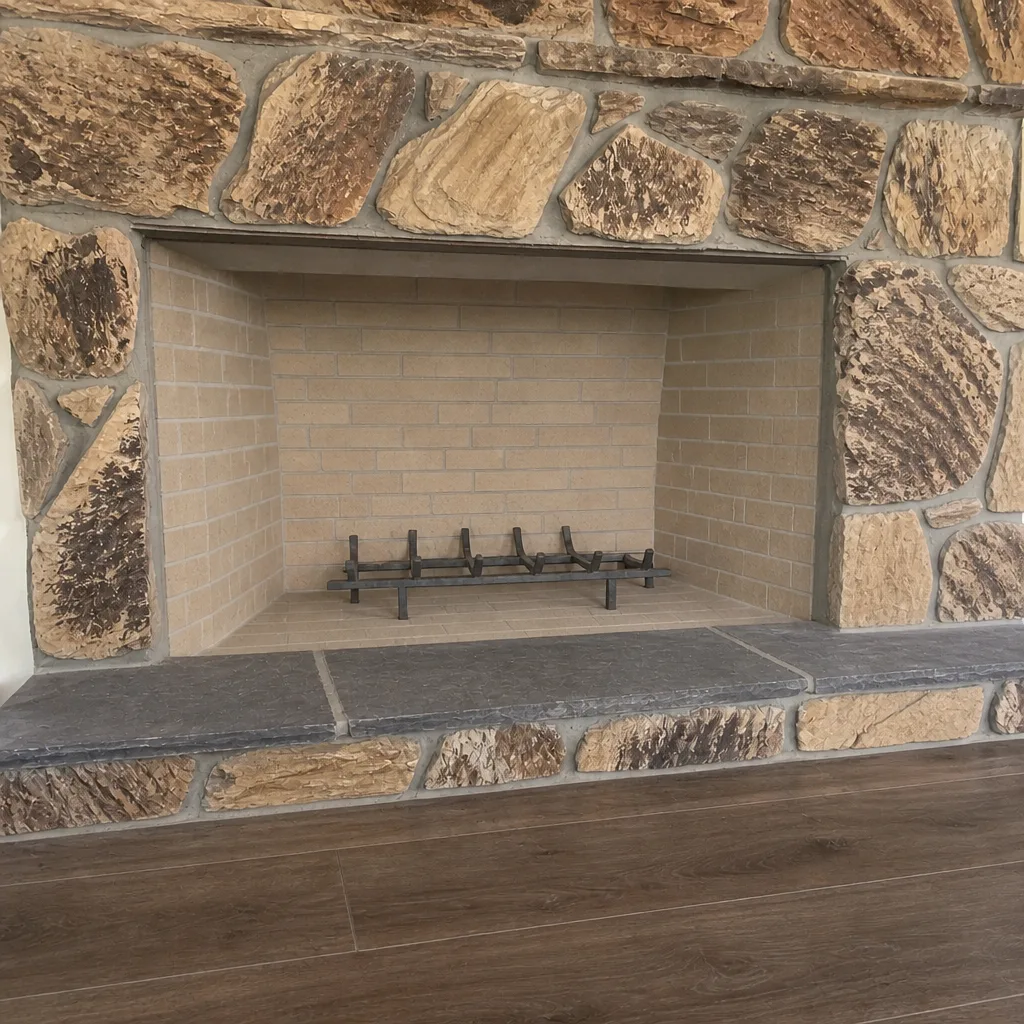 After
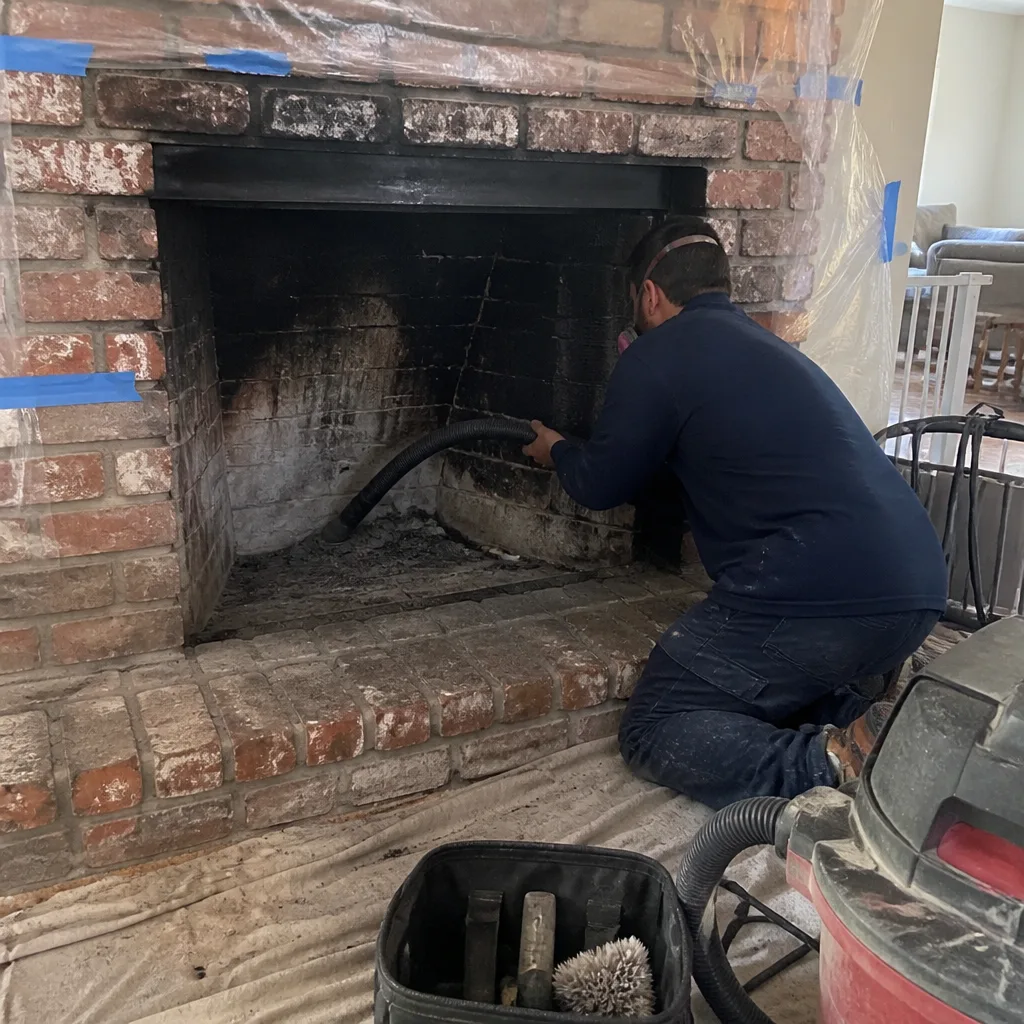 Before
 After
 Before
 After
When to Call a Professional
Some chimney problems announce themselves loudly and some don’t. Call a professional when you see smoke spilling into the room instead of going up the flue, when there’s visible cracking in the firebox or mortar, when you’ve had a chimney fire even a small one, when you hear animal sounds in the flue, or when it’s been more than a year since the last inspection. Call before your first fire in a newly purchased home. Call if your cap is loose or missing. And call if a previous contractor recommended a repair you couldn’t verify – a second inspection with photos will tell you whether the recommendation was legitimate.
Chimney Sweep Brea offers free estimates in Brea. Call (877) 792-7505 to book an inspection. We answer 24/7, with fast dispatch from 7am to 7pm, Sunday through Friday.
Frequently Asked Questions
A chimney sweep in Brea typically costs $150 to $300 for a standard Level 1 visit that includes sweeping and a visual inspection, and $250 to $450 for a Level 2 inspection with a camera scan. Repair work is priced separately by the written estimate, and the written estimate sets the final price. Call (877) 792-7505 for an exact quote – estimates are free.
Go to the CSIA website, use their find-a-professional directory, and search the contractor’s name or company. Confirm the certification shows as active, not expired. The whole check takes about two minutes, and any legitimate CSIA-certified contractor will expect you to do it.
A Level 1 inspection is a visual check of accessible components, suitable for a chimney in regular use with no known problems. A Level 2 adds a camera scan of the flue and is required after a home purchase, a change of appliance, or a chimney fire. Most Brea homeowners buying an older home need a Level 2 before their first fire.
Sometimes resurfacing is enough. HeatShield ceramic resurfacing can extend the life of a clay flue that’s cracked but structurally sound, often at a fraction of the cost of a full reliner. Whether your flue qualifies depends on the extent of the damage, which is why the inspection report with photos matters – you should be able to see the evidence for yourself.
Yes, and we do. A good inspection report separates urgent findings from items that can wait a season. If the damage is cosmetic or the component is still functional, resurfacing or a follow-up check next year may be the right call. Nothing gets recommended without camera evidence you can look at yourself.
Annually for a wood-burning fireplace in regular use, and less often if you burn only a few fires a season – but never skip the inspection for years at a time. For a gas fireplace, an annual check still matters even without creosote, because venting problems and debris don’t announce themselves. Call (877) 792-7505 to book yours.
The Bottom Line
Hiring a chimney professional in Brea comes down to verification and scope. Verify CSIA and NFI credentials independently, ask whether the contractor handles structural repair and cap and crown work or only sweeps, insist on a written inspection report with photos, and compare bids on scope rather than price. The lowest quote in this market is usually the one that skips the inspection and runs a rotary brush without vacuum containment – and that cost shows up later as a repair bill. A specialist using named materials like HeatShield, DuraFlex, Olympia Chimney, and Famco, who hands you a written estimate before anyone picks up a brush, is the one worth hiring. Your chimney, start to finish, is the standard to hold every Brea contractor to. Call (877) 792-7505 for a free estimate. We answer 24/7, with fast dispatch from 7am to 7pm, Sunday through Friday.
Written by the team at Chimney Sweep Brea.