
Last updated November 25, 2026
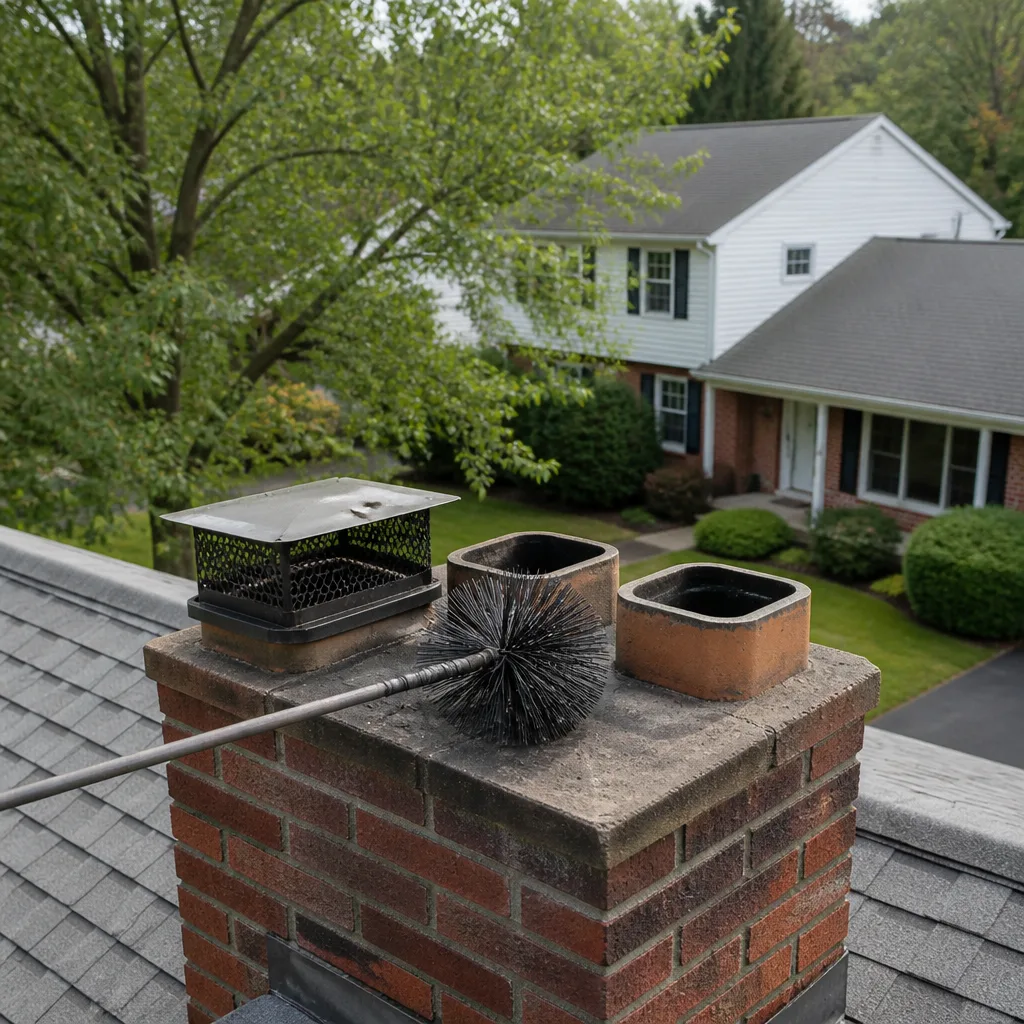 Sweep & inspection
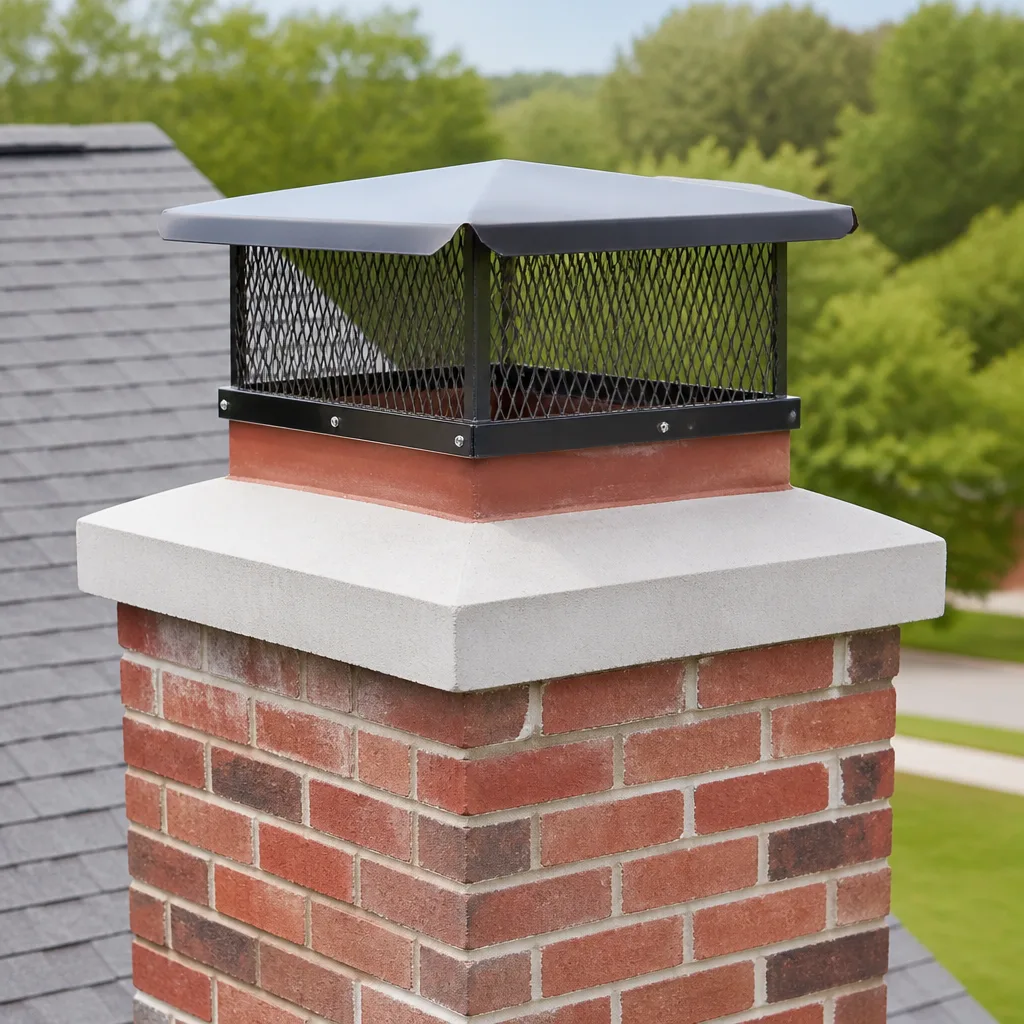 Caps & crowns
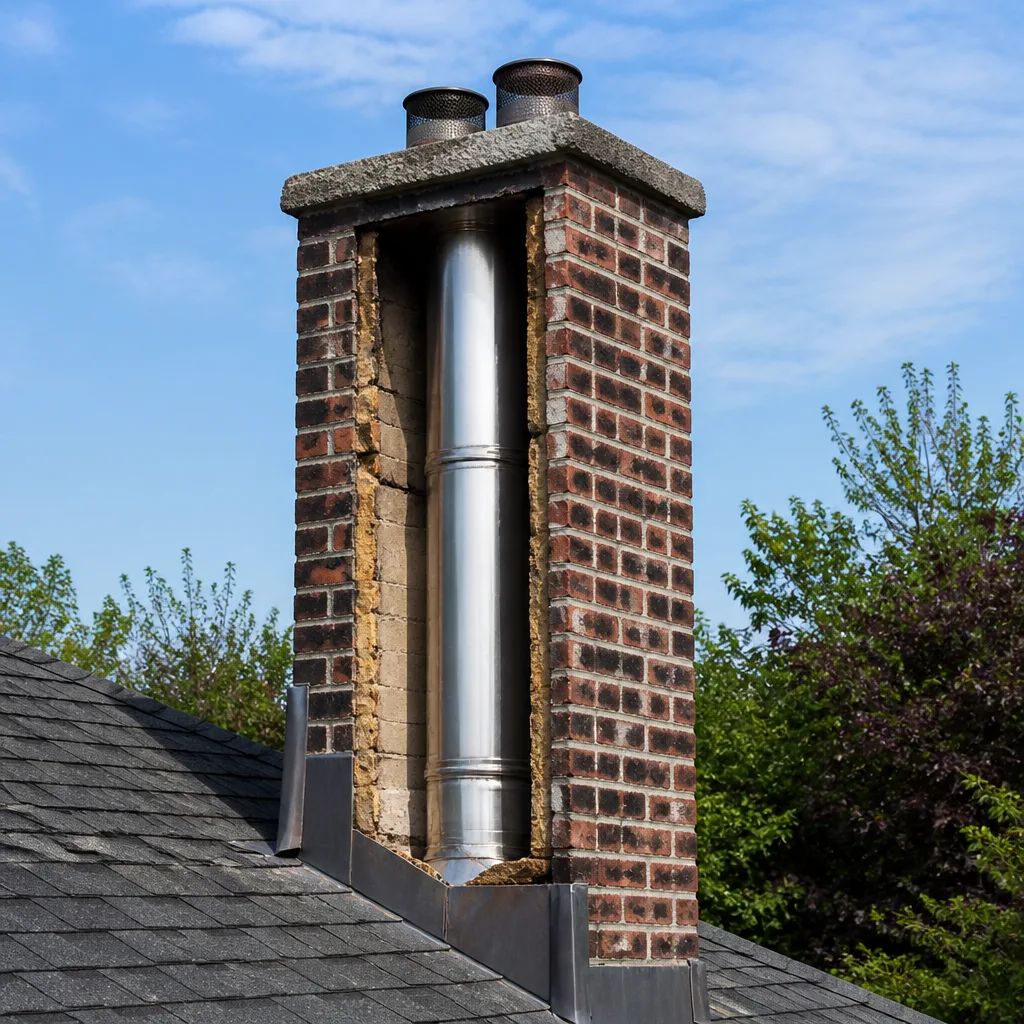 Flue relining
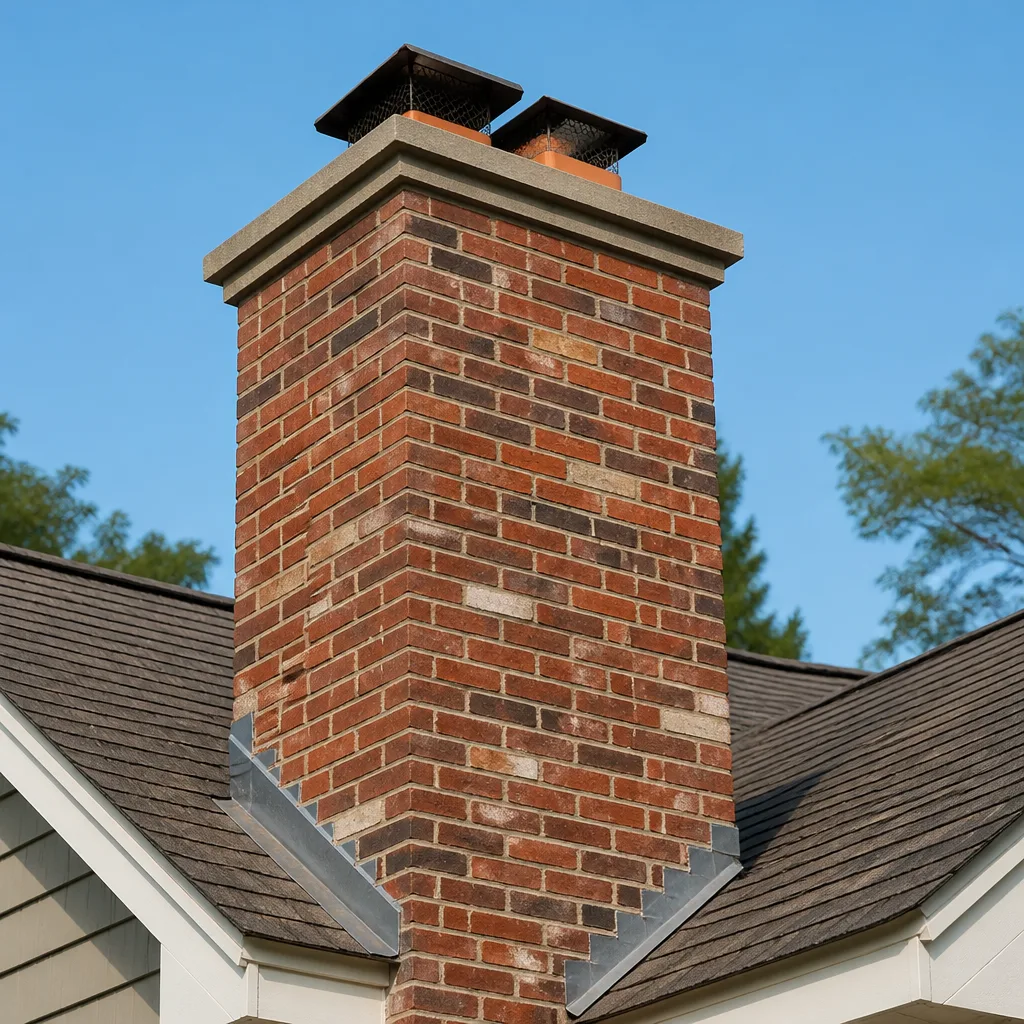 Masonry repair
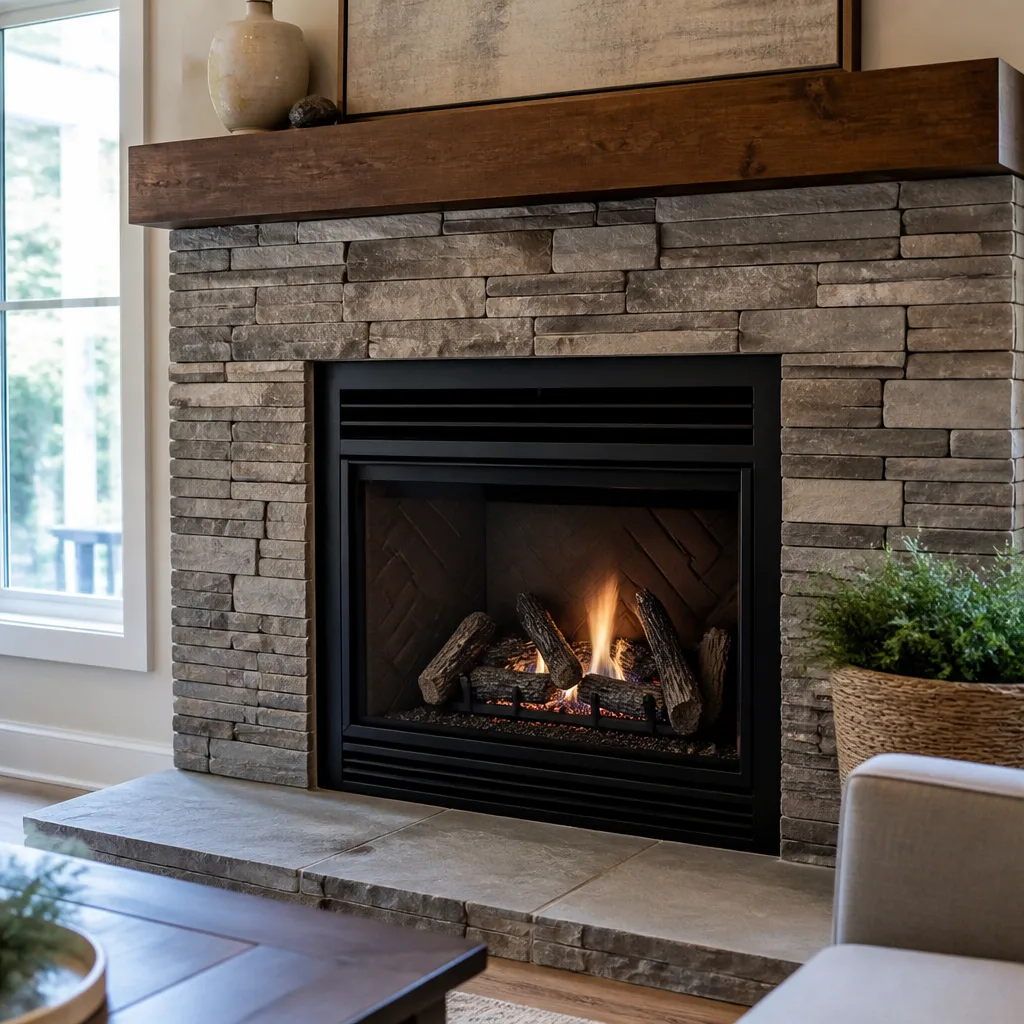 Gas fireplace service
Level 1 sweep and inspection to the NFPA 211 annual standard - flue, crown, cap, and flashing checked and photographed
Chimney sweep logs do not sweep chimneys. They loosen some creosote - which then falls where a brush and vacuum still have to collect it.
Seasonal Chimney Cleaning Care for Brea: Year-Round Homeowner’s Guide
Most Brea homeowners think about the chimney twice: once when the first fire of the season won’t draw, and once when something starts living in it. The months in between, when the flue sits idle, are when the real damage happens. Summer sun cooks the crown, fall brings birds and raccoons looking for a warm cavity, winter rain finds every hairline crack the dry season opened, and spring leaves behind creosote that bakes onto the masonry for months. This guide walks through what each season actually does to a Brea chimney and how a simple two-visit annual rhythm covers all four risk windows without over-servicing.
Quick Answer
A Brea chimney needs professional attention twice a year: a pre-season inspection and sweep in early fall, before the first fire and after the hottest, driest stretch, and a post-season inspection in spring once the burn season ends. Between those two visits, a properly fitted cap, a sound crown, and a clear flue do most of the protective work on their own.
Styles & brands we work with
- Sweep & inspection
- Caps & crowns
- Flue relining
- Masonry repair
- Gas fireplace service
Table of Contents
- What Happens Inside a Brea Chimney During Summer?
- Why September Is the Right Time for a Pre-Season Inspection
- How Winter Rain Events Stress Crowns and Flashings
- Spring Inspection Priorities After the Burn Season
- Building a Two-Visit Annual Service Rhythm
- A Seasonal Homeowner Checklist for Brea
- Why the Chimney Cap Does Five Jobs Across Four Seasons
- Common Mistakes to Avoid
What Happens Inside a Brea Chimney During Summer?
A chimney in summer is not resting; it’s exposed. Brea’s long dry season bakes the exterior masonry and crown for months while the flue stays empty and warm, which is exactly the condition wildlife prefers. Chimney swifts, raccoons, and occasionally squirrels treat an uncapped flue as a ready-made den, and the damage they cause goes well beyond noise.
Nesting material, droppings, and carcasses drop onto the smoke shelf and damper, and once fall rain arrives, that debris turns into a damp acidic mat that sits against the flue tile. Raccoon scat in particular carries a parasite that stays viable for a long time in a protected flue, which is why we treat any summer wildlife intrusion as a cleaning job before the first fire, not after.
Heat itself does quiet work in the same months. The crown, that concrete slab at the top of the chimney, expands and contracts across Brea’s hot days and cooler nights, and any hairline crack from a previous year widens a little more each summer. This is one clear case where being reactive is expensive: a small crown crack sealed in summer costs far less than the water-damaged masonry it becomes by winter.
The gold standard for a capped flue through summer is a snug stainless cap with a spark screen, ideally an Olympia Chimney cap selected to fit the actual flue dimensions rather than a generic size. It keeps birds and animals out, and it lets the flue breathe so it doesn’t stay damp. If a Brea home has never had a cap, summer is the season where that absence does the most damage.
Why September Is the Right Time for a Pre-Season Inspection
September sits at a specific point in Brea’s year: the worst of the dry heat has passed, but the Santa Ana winds have not arrived, and the burn season hasn’t started. That combination makes it the ideal inspection window. A pre-season sweep before the first fire clears summer debris and confirms the flue is sound, and doing it ahead of the wind season means any cap or flashing that’s going to fail gets repaired before it takes on wind-driven rain.
Here’s what a proper pre-season inspection covers, in order:
- Chimney cap and screen: Check for loose fasteners, bent screens, and bird nests packed behind the spark mesh. A screen that’s become a scaffold for sticks and debris restricts draft.
- Crown: Look for cracks wider than a hairline, crumbling edges, and any separation from the flue tile. This is the chimney’s roof; treat it as such.
- Flue interior: A camera inspection confirms the liner is continuous and free of gaps. Creosote that accumulated over the last burn season is measured and swept before it hardens further.
- Firebox and damper: Loose firebrick, failed mortar joints, and a damper that doesn’t seat are all first-fire failure points.
- Flashings and chimney exterior: Where the chimney meets the roof is worth special attention because it’s where water gets in even when everything above looks fine.
You can call us when something goes wrong, or you can call us before it does. The September inspection is the second choice, and it’s the cheaper one. The findings we log in a camera-based sweep are what let you plan repairs around a budget rather than a panic. If you want to book that pre-season visit, start with the main Chimney Sweep Brea page.
How Winter Rain Events Stress Crowns and Flashings
Brea’s winters are mild, but that’s a trap for homeowners who assume rain is harmless. Mild, wet weather does not freeze a chimney; it soaks it. A single long rain event sends water down the outside of the flue, into a crown crack, and behind a flashing that looked perfectly sound in September. The damage is cumulative, and it’s the reason an uncracked crown in October can become a masonry repair by February.
The foothill edge of Brea, where neighborhoods sit closer to the hills, catches more runoff and more wind-driven rain than the flat parts of town. A chimney cap that’s fine in dry weather can lift or shift under wind, and a shifted cap lets water run straight into the flue. The flashing at the roofline is the same story: a hundred small separations that don’t leak in a dry spell will leak under three days of steady rain.
What a winter chimney in Brea needs is a clear path for water to leave. Crowns should slope away from the flue, not toward it. Flashings should be sealed and solid. Caps should be fastened down. If your chimney has ever stained the ceiling, painted a rust-colored line down the masonry, or smelled musty in the flue after a wet week, that’s a flashing or crown issue, and it won’t fix itself once the sun comes back.
A winter inspection and a weather-tight chimney repair are the two investments that pay back in this season. When we repair a crown or replace a cap, we use proven, name-brand components, whether that’s a Copperfield multi-flue cap or a custom-fabricated crown, because we want the fix to outlast a single rainy season.
Spring Inspection Priorities After the Burn Season
Once the last fire of the year burns down, the chimney’s job changes from venting smoke to holding up under heat and moisture with creosote still inside. That’s the problem nobody talks about in Brea. Residual creosote, baked by months of dry heat against masonry and flue tile, becomes more corrosive and harder to remove as the season goes on. Sweep it in spring and a routine cleaning handles it. Wait until fall and you’re more likely to be discussing a damaged flue liner.
A spring inspection in Brea should focus on these priorities:
- Creosote removal before the hot months: Even a light coating of glazed creosote sitting in a warm, dry flue is a fire hazard waiting for the next season. Sweep it now.
- Flue and firebox assessment: Winter fires can expose any small crack in the liner or mortar. Spring is when those cracks are easiest to repair, before summer heat widens them.
- Damper and smoke shelf check: Soot and debris settle over winter. A damper that doesn’t move freely now will stick worse by fall.
- Exterior once-over: Look at the crown and flashings for any spalling or separation that appeared during winter rain. Address it before summer’s expansion stress.
- Fireplace door, screen, and hearth: Small fireplace work is easier to do in spring than to schedule in a rush in November.
If the spring inspection finds a damaged liner, we offer more than one path back to a sound flue. A HeatShield resurfacing can restore a cracked clay flue without a full liner replacement, which is one of the reasons we’re certified for that work. For a non-standard or older flue configuration, a DuraFlex flexible liner fits where a rigid one won’t. The right liner for your flue is not a sales slogan; it’s a fit question we answer with camera evidence.
The full range of what a spring visit can catch falls under chimney repair, and much of it is work that can wait a month or two without risk. We tell you plainly when it can.
Building a Two-Visit Annual Service Rhythm
The core idea of this guide is not complicated: a Brea chimney needs two professional visits a year, placed correctly. That’s it. The first is the September pre-season inspection and sweep, timed after the dry heat peak and before the Santa Ana wind season. The second is the spring inspection and sweep, timed just after the burn season ends. Between them, the homeowner handles the simple stuff, and the two visits catch everything else.
Here’s how the rhythm covers all four risk windows:
- Summer: A cap and screening installed at the September visit block wildlife intrusion all summer. The crown sealed in fall holds against the heat.
- Fall: The September sweep clears the flue before the first fire. Debris and nesting material are gone before draft problems start.
- Winter: The crown, flashings, and cap checked and repaired in September hold through the rain. Spring inspection catches anything that moved.
- Spring: Creosote is swept before the hot, dry months, and any winter damage is caught while it’s still a small repair.
This is not over-servicing. Two visits a year is the minimum for a chimney that actually burns wood in a climate with a long dry season and a wet season. Homes with a gas fireplace and no wood burning can often drop to one annual inspection, and we’ll say so. Homes with heavy use or an older flue may need the second visit sooner in the season. The point is that the schedule is set by the chimney, not by a maintenance plan.
A Seasonal Homeowner Checklist for Brea
Between professional visits, here’s what a Brea homeowner can do to keep the chimney in good shape year-round. None of this involves getting on the roof or opening anything you shouldn’t.
- Spring: Book the post-season sweep and inspection. Check the firebox for any loose firebrick or crumbling mortar that appeared over winter. Note any lingering smell after the last fire.
- Summer: Watch for birds at the chimney top; that’s a sign of a missing or loose cap. Listen for scraping or chirping from the flue. Check for water stains on the ceiling or masonry.
- Early fall: Book the pre-season sweep and inspection. Confirm the cap is fastened down and the screen intact. Have any crown cracks seen from the ground flagged at inspection.
- Winter: Check the firebox after each burn for unusual soot buildup. Make sure the damper opens and closes freely. Watch for water intrusion during and after long rain events.
- Year-round: Keep the firebox clear of stored items, and use well-seasoned wood. Never burn trash or treated lumber, which accelerates creosote formation.
A reliable rule of thumb: if any of these checks raise a question, write it down and mention it at the next visit. Our technicians have up to 13 years of experience and can read a lot from a quick look at the firebox, but a homeowner’s own observations are often the best early warning.
Why the Chimney Cap Does Five Jobs Across Four Seasons
Homeowners often assume the cap is decorative or just a way to keep rain out. It’s doing five different jobs, and the season determines which one matters most. In summer, it’s the wildlife barrier. In fall, it keeps leaves and debris from clogging the flue and restricting draft. In winter, it sheds rain off the flue and away from the crown. Year-round, it keeps wind gusts from pushing smoke back down into the living space. And it houses the spark arrestor screen, which is what keeps embers from leaving the flue and landing on a dry Brea roof.
When a cap fails, each of those five jobs goes undone, and the season decides which failure shows up first. A cap missing in summer means animals. A screen clogged in fall means a smoking fireplace. A loose cap in winter means water down the flue. A missing spark screen means fire risk that the homeowner never sees until it’s a problem.
This is why a good cap is not an add-on. When we install one, we use a Famco or Olympia Chimney cap matched to the actual flue, and we verify it’s fastened against wind, not just sitting on top. A chimney cap and crown install is one of our five core services for exactly this reason: it’s the single piece of hardware doing the most year-round work.
Common Mistakes to Avoid
- Waiting for a problem before booking a sweep. In Brea’s climate the risk builds quietly through a long dry season, and the first sign of trouble is often the first fire that smokes. Book the two annual visits and let the schedule do the work.
- Assuming an uncapped chimney is fine. Every season an uncapped flue sits open is a season wildlife, rain, and debris can get in. A cap is the cheapest protection available for a Brea chimney.
- Treating a cracked crown as cosmetic. A hairline crack in October is a masonry repair by February. Seal it in fall, not after the rain.
- Letting creosote sit through summer. The combination of glazed creosote and months of dry heat in Brea hardens the deposit and makes a spring cleaning harder than it needs to be. Sweep before the hot months.
- Hiring a sweep who upsells on the spot without evidence. If someone tells you that you need a full liner replacement and can’t show you the camera evidence, get a second opinion. We work from a camera and photo report every time.
- Skipping the post-season inspection. Winter is when small issues appear. Catching them in spring is what keeps them small.
- Burning unseasoned wood to save money. Wet wood creates more creosote and more frequent sweep needs, and in a Brea flue that creosote hangs around all summer. Season your wood before it goes in the firebox.
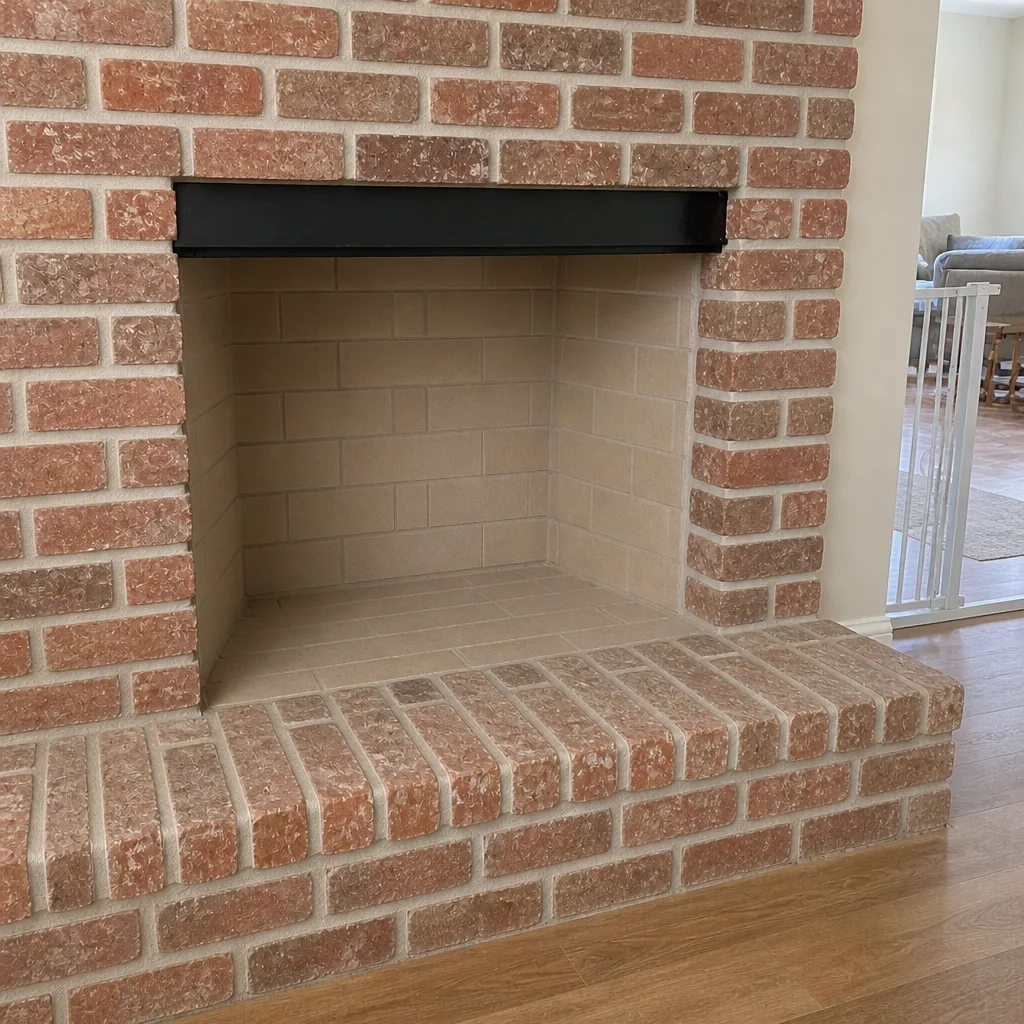
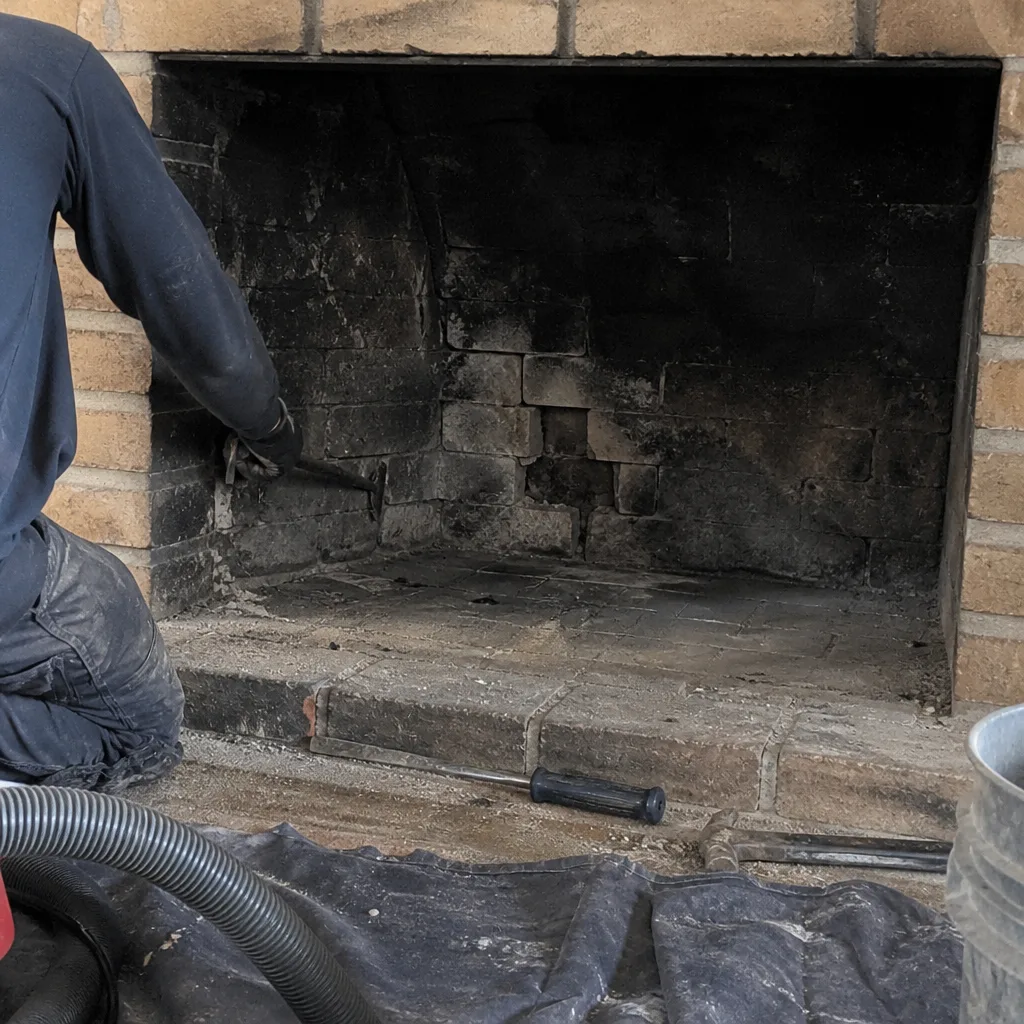
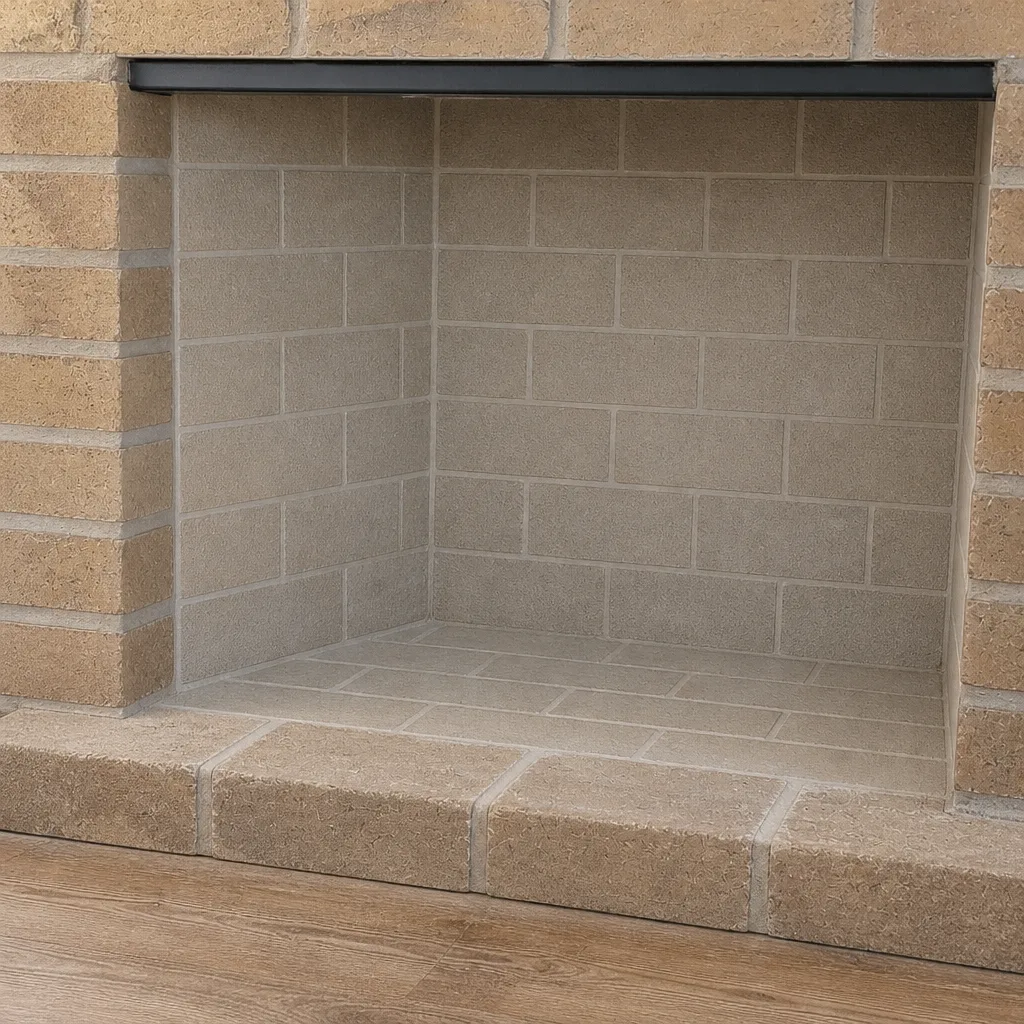
See the difference
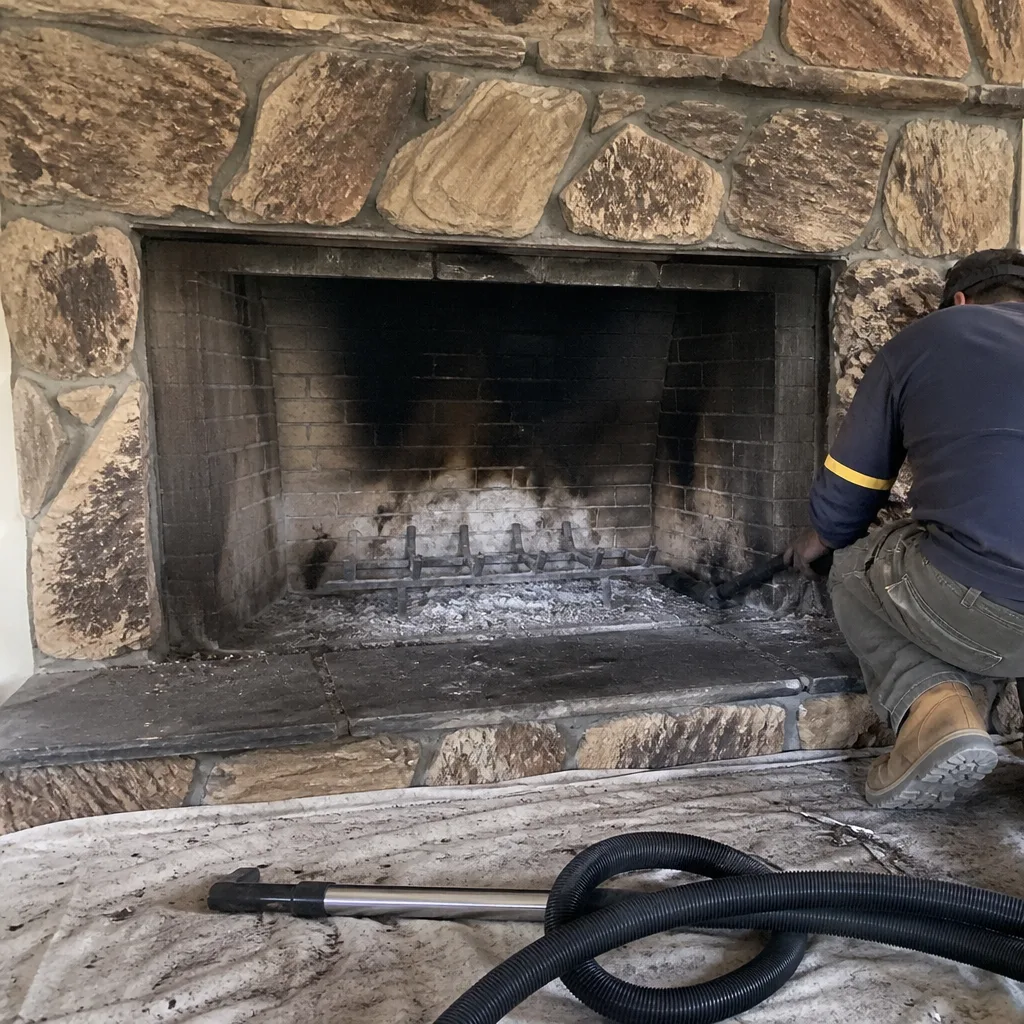 Before
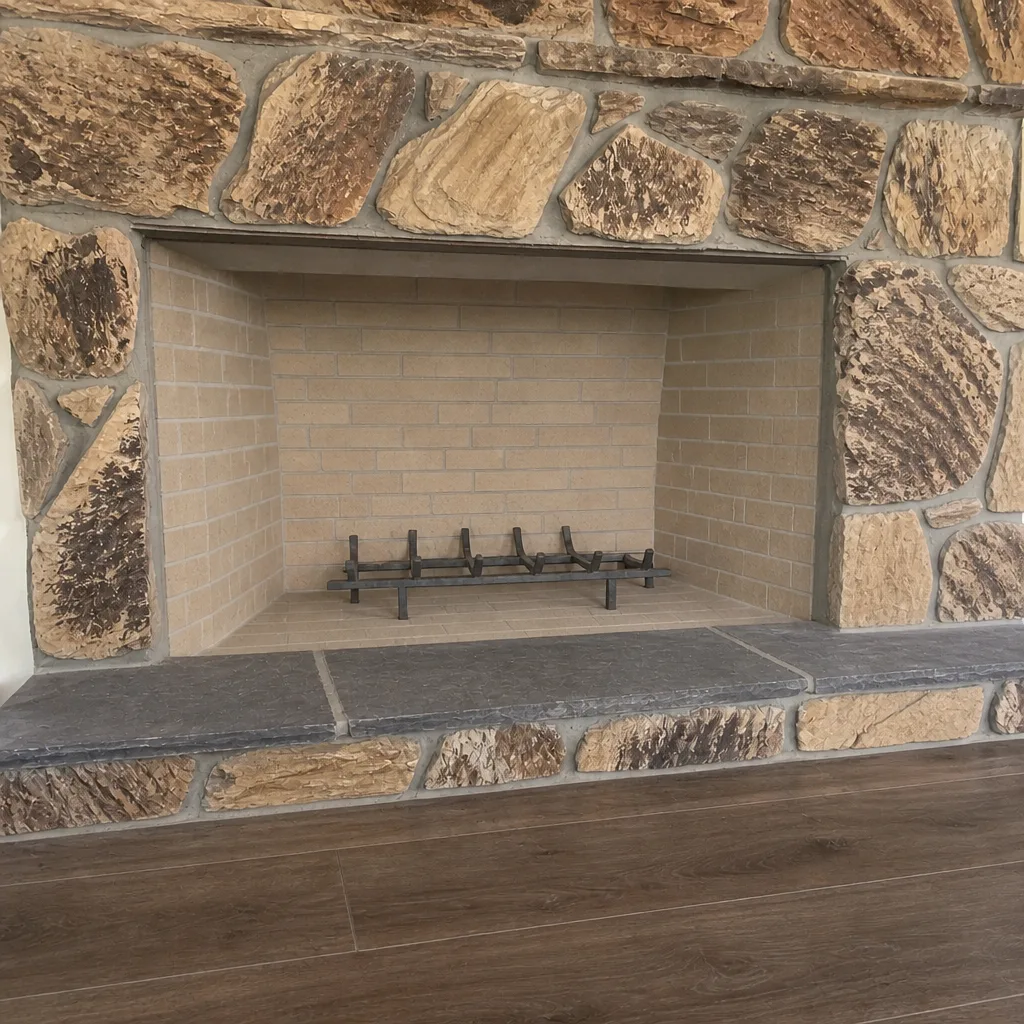 After
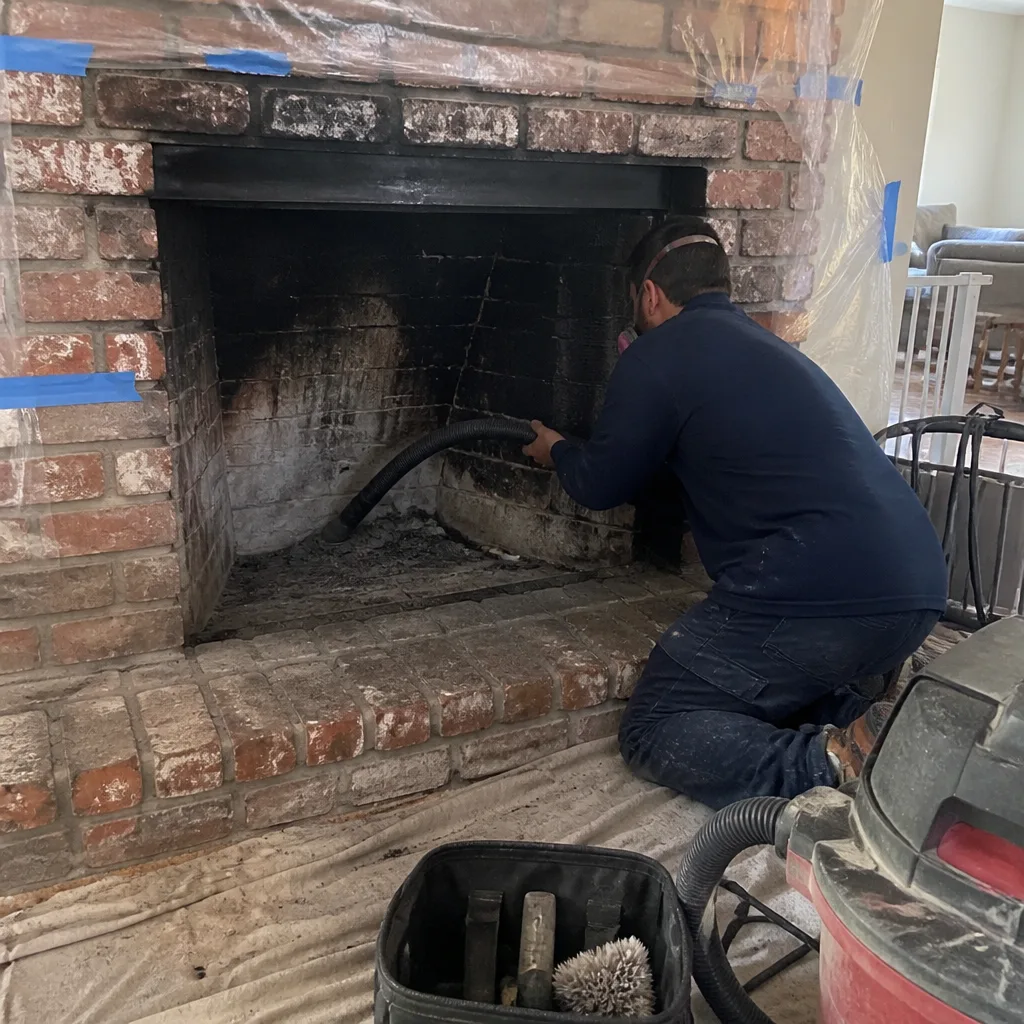 Before
 After
 Before
 After
When to Call a Professional
Any of these is a reason to call us rather than wait for the next seasonal visit: smoke rolling back into the room when you light a fire, a smell of creosote that lingers in the house even between burns, visible cracking in the crown or on the firebox walls, water stains on the ceiling near the chimney, birds or animals at the chimney top, or a damper that won’t open or close. A newly purchased home with an older chimney is also a reason to book an inspection before the first fire, even if it looks fine.
Chimney Sweep Brea offers free estimates in Brea. Call (877) 792-7505. We answer 24/7. Fast dispatch from 7am to 7pm, Sunday through Friday. Our technicians have up to 13 years of experience and every sweep includes a camera inspection and photo report you can see for yourself.
Frequently Asked Questions
Most Brea chimneys that burn wood should be swept twice a year: once in early fall before the first fire and once in spring after the burn season. A gas-only fireplace with no wood burning can often be inspected once a year instead. Call (877) 792-7505 for an exact schedule based on your setup.
No, and that’s why we show you the camera evidence before we recommend anything. Some flues can be restored with HeatShield resurfacing instead of a full reline, which is less disruptive and often significantly more affordable. Some can wait, and we say so plainly. Call (877) 792-7505 to book an inspection before you decide.
Skipping a year doesn’t cause an immediate failure, but each season leaves its own mark: summer wildlife debris, fall creosote, winter water intrusion, and spring heat on unprotected masonry. Over a couple of skipped years, small crown and flashing problems become real repairs. Call (877) 792-7505 to get back on the two-visit rhythm.
Yes. The long dry season in Brea is the biggest driver of crown and masonry stress, and wildlife intrusion happens whether or not the fireplace is in use. Even light burners benefit from the fall and spring inspections. Call (877) 792-7505 for a free estimate on a seasonal inspection.
In most cases, yes. A chimney cap and crown install is one of our core services, and it handles most of what causes water intrusion and animal entry without any larger work. We fit the cap to the flue and repair or rebuild the crown as needed. Call (877) 792-7505 to talk it through.
We answer 24/7. A call outside dispatch hours is booked into the next opening, Sunday through Friday, 7am to 7pm. Call (877) 792-7505 and we’ll get your seasonal visit scheduled.
The Bottom Line
Brea’s mild weather makes it easy to forget the chimney, and that forgetfulness is exactly what each season exploits. Summer brings wildlife and crown stress, fall brings debris and the first fire, winter brings rain into every small crack, and spring bakes creosote onto the masonry. Two visits a year, placed at the September pre-season window and the post-burn spring window, cover all four of those risk windows without over-servicing. If it’s been more than a year since anyone looked at your flue, that’s the sign to book an inspection. You’ll get straight answers, a photo report, and a repair plan built on proven materials. Book a chimney sweep or fireplace repair with Chimney Sweep Brea today. Call (877) 792-7505 for a free estimate. We answer 24/7. Fast dispatch from 7am to 7pm, Sunday through Friday.
Written by the team at Chimney Sweep Brea.