
Last updated November 25, 2026
 Sweep & inspection
 Caps & crowns
 Flue relining
 Masonry repair
 Gas fireplace service
Level 1 sweep and inspection to the NFPA 211 annual standard - flue, crown, cap, and flashing checked and photographed
Chimney sweep logs do not sweep chimneys. They loosen some creosote - which then falls where a brush and vacuum still have to collect it.
Chimney Sweep Maintenance Checklist for Brea Homeowners
Most chimney maintenance advice you’ll find online was written for places with hard winters. It talks about freeze-thaw cycles, snow load and ice damage, none of which apply here. In Brea, the forces that wear down a chimney are different: intense UV, dry Santa Ana wind events, and long stretches of low humidity that crack mortar and shrink flashing seals. The standard four-season template misses the two service moments that matter most in this climate, and that gap is exactly what this guide closes. Below you’ll find a month-by-month checklist built for Brea’s actual seasons, clear guidance on what you can safely check yourself and what needs a trained eye, and the red flags that tell you a sweep is cutting corners.
Quick Answer
A well-maintained Brea chimney needs an annual professional inspection and sweep, a crown and flashing check every fall before Santa Ana season, a spring inspection after the rainy months, and a cap that stays intact year-round. Schedule your sweep in September before fire season peaks and book a follow-up check in March or April to catch water intrusion and debris buildup from winter storms.
Styles & brands we work with
- Sweep & inspection
- Caps & crowns
- Flue relining
- Masonry repair
- Gas fireplace service
Table of Contents
- Why Brea’s Climate Demands a Different Checklist
- Month-by-Month Maintenance Breakdown for Brea
- Crown and Flashing: The Parts UV Destroys Fastest
- What Homeowners Can Check vs. What Needs a Professional
- How to Document Chimney Condition Year Over Year
- Red Flags on a Sweep’s Checklist
- When Repair Is Needed: Liners, Crowns and Caps
- Common Mistakes to Avoid
Why Brea’s Climate Demands a Different Checklist
Brea sits in a Mediterranean climate with warm, dry summers and mild, wet winters. That sounds gentle for a chimney, but the specific combination of intense sun and seasonal moisture swings puts stress on different components than cold-weather climates do. Masonry crowns, the concrete cap at the top of the chimney, expand and contract as surface temperatures climb in direct sun and drop at night. Over years, that cycling opens hairline cracks. Low ambient humidity pulls moisture out of mortar joints and then lets the first rains soak in through those same dried-out openings.
The Santa Ana wind events that sweep through Orange County each fall bring an additional problem. Sustained dry winds carry loose debris, palm fronds, dust and grit that can lodge against the chimney cap or work into flashing gaps. If the cap screen is torn or the cap is loose, that material ends up in the flue. A chimney that functioned fine through summer can develop a draft problem after just one bad wind event.
Fireplaces in Brea also tend to sit idle for months. A homeowner who uses the fireplace a handful of times each winter, or not at all, can go years without thinking about the chimney. That low-use pattern hides slow deterioration well. The crown cracks quietly, the flashing lifts a little more, and by the time smoke backs up into the living room the repair has grown from a patch to a rebuild.
The SoCal building stock adds another variable. Many Brea homes were built decades ago with masonry chimneys that have settled slightly since construction. Others have been retrofitted with gas inserts or newer appliances. Each configuration calls for a different inspection approach, and a checklist that ignores the flue’s actual shape and lining material will miss the specific weaknesses in that chimney.
Month-by-Month Maintenance Breakdown for Brea
Here is how a Brea chimney maintenance calendar actually looks, sequenced around the local climate rather than a generic national model.
September: Pre-Santa Ana Inspection
Book your annual sweep and inspection before the fall wind events begin. This is the most consequential service moment of the year in Brea. A cleaning removes creosote and soot that built up during the previous winter, and an inspection catches crown cracks, loose flashing and cap damage before dry winds widen them.
October through November: Prep for Burning Season
Once the sweep is done, confirm the damper opens and closes smoothly, check that the cap screen is intact, and clear any debris from the firebox. If you have a gas fireplace, have the burner and logs checked at this stage too.
December through February: Burn Season Monitoring
While the fireplace is in use, watch for smoke rolling into the room, a damper that won’t stay open, or unusual smells. Keep the firebox free of ash buildup and never burn paper, cardboard or treated wood.
March through April: Post-Rain Inspection
This is the second critical moment most homeowners skip. Winter rain finds every weakness that opened up over the dry months. Check for water stains on the chimney exterior, rust on the damper or firebox, and crumbling mortar. Book a professional inspection if anything looks off.
May through August: Repair Window
Warm, dry weather is the best time for crown repair, flashing work and liner replacement. Adhesives and sealants cure reliably, and there’s no rain to interfere with masonry work. If your inspection flagged a repair, schedule it now rather than in the fall rush.
Homeowners in established Brea neighborhoods often find their chimneys sit close to mature trees that drop leaves and seed pods into the cap. A quick visual check after any heavy wind or rain event is worth the two minutes it takes. For a full professional assessment, schedule a Chimney Sweep Brea visit at the start of the season.
Crown and Flashing: The Parts UV Destroys Fastest
The crown and the flashing are the two components most vulnerable to Brea’s sun and dry air, and they’re the two most homeowners never look at closely.
The crown is the concrete or mortar cap that sits on top of the masonry and slopes water away from the flue. UV exposure degrades the surface over time, and thermal cycling opens cracks. Once water gets into those cracks, it freezes on cold winter nights, expands, and widens them further, even in a mild climate. A cracked crown lets water run down the outside of the flue and into the attic or wall cavity. Early-stage crown cracks can often be sealed; a crown that has broken into sections usually needs replacement.
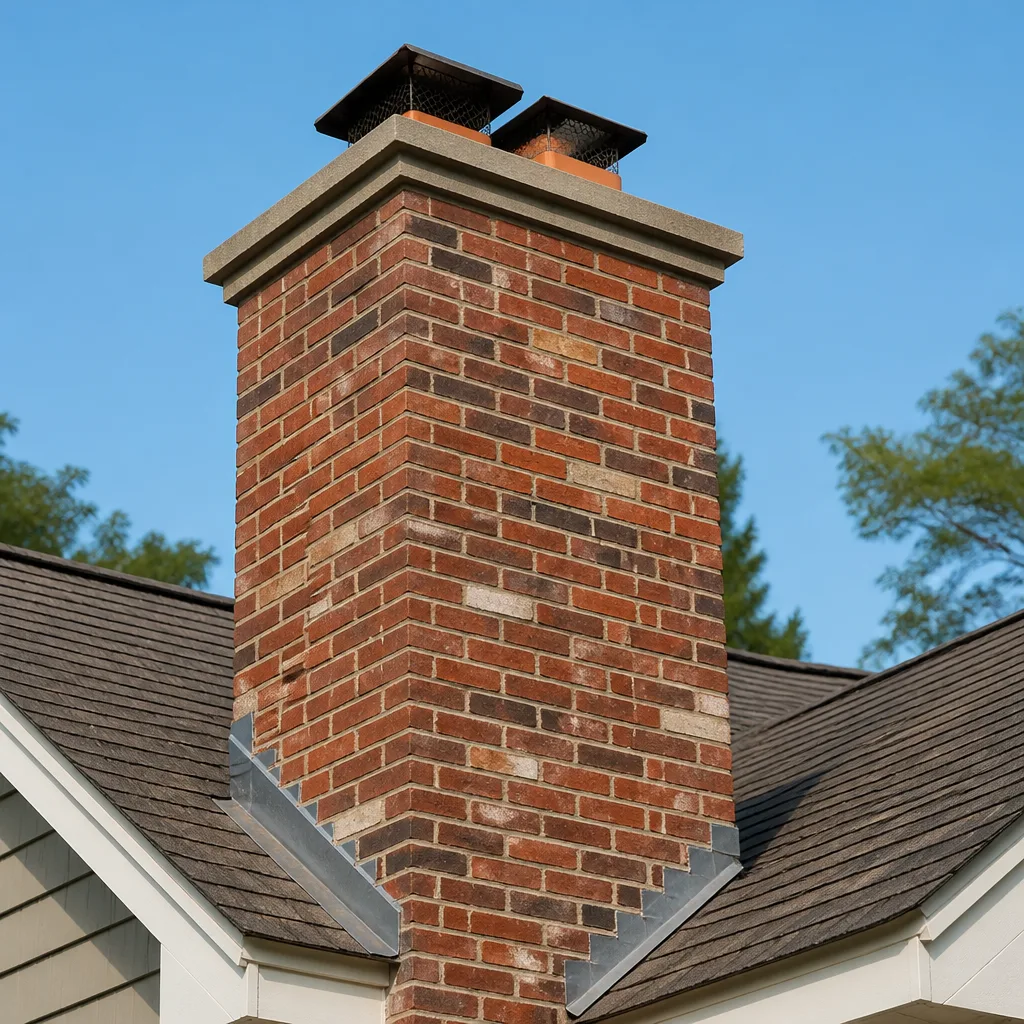
Flashing is the metal that seals the joint where the chimney meets the roof. Heat expands the metal, cool nights contract it, and over years the sealant underneath dries and lifts. Wind-driven rain then works its way under the flashing and into the roof deck. Look for lifted edges, rusted fasteners, or gaps between the flashing and the chimney’s masonry. These are simple to reseal early and expensive to fix after the roof deck has rotted.
- Crown: check for hairline cracks, crumbling edges, or a surface that no longer sheds water. A properly sloped crown should drain away from the flue on all sides.
- Flashing: look for lifted metal, missing fasteners, rust streaks, or gaps where the flashing meets the brick.
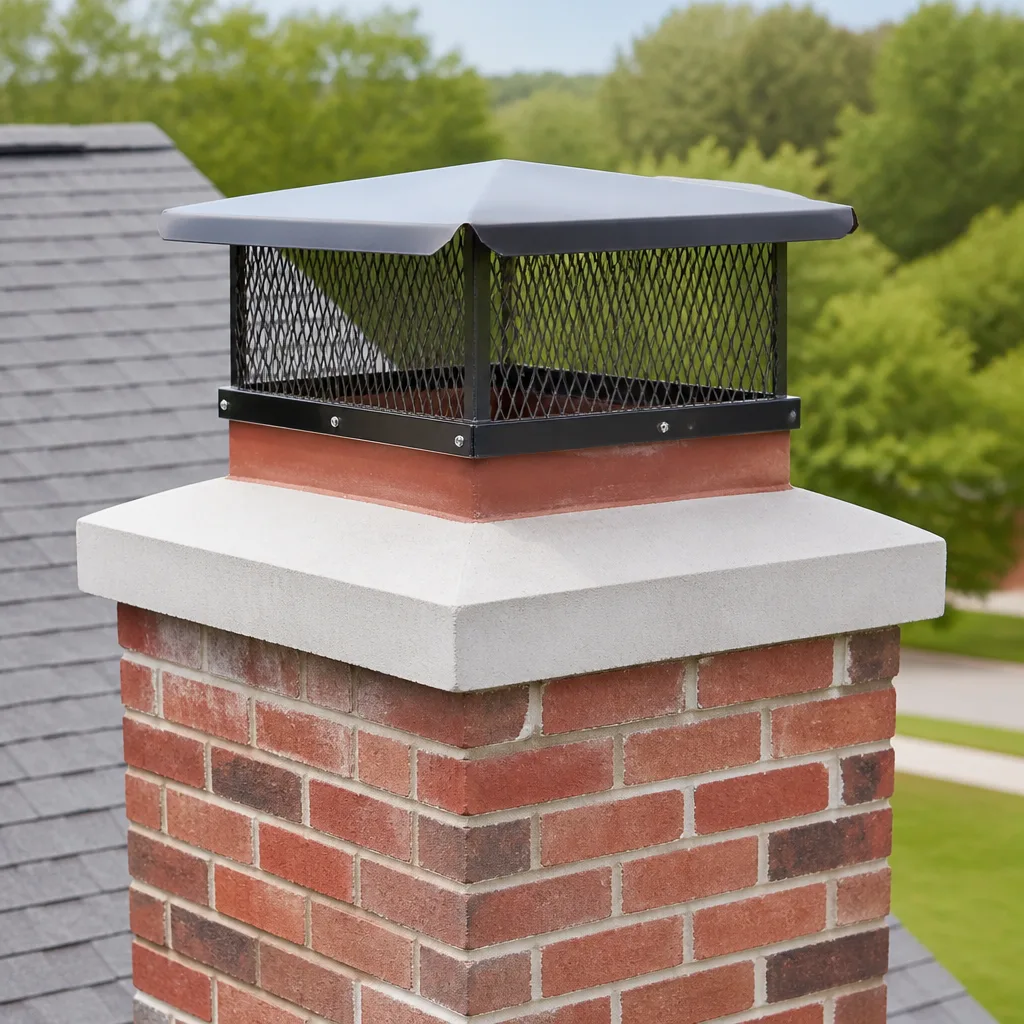
- Cap: confirm the concrete or metal cap and its spark screen are intact and securely fastened. A loose cap rattles in wind and eventually lets water and animals in.
- Mortar joints: run a hand along accessible joints and look for sandy, recessed or missing mortar. Sun-dried joints crumble faster than most homeowners expect.
- Spark arrestor: check that the screen is clear and not clogged with soot or debris.
Professionals who install chimney caps and crowns as a core service use materials rated for sustained sun exposure. We work with chimney repair materials from brands like Copperfield and Olympia Chimney because they hold up to UV and thermal cycling better than generic substitutes. When a crown or cap is replaced with the right material, it can go years without needing attention again.
What Homeowners Can Check vs. What Needs a Professional
Knowing where the line sits between a safe self-check and a job for a trained technician keeps you from missing something important without putting yourself at risk.
What you can safely check yourself
- Damper operation: open and close the damper by hand and confirm it moves freely and seals fully.
- Smoke shelf debris: shine a flashlight up into the firebox and look for soot or debris collecting on the smoke shelf just above the damper.
- Cap condition: from the ground, use binoculars to check whether the cap is level, intact, and free of visible damage.
- Interior water signs: look for water stains, rust, or efflorescence on the firebox walls, damper, or the chimney breast inside the house.
- Exterior visual: scan the chimney from the ground for cracked mortar, leaning, spalling brick, or vegetation growing in the joints.
What requires a professional
- Flue interior: the inside of the flue can only be assessed with a camera. Creosote glazing, cracked tiles, and gaps in the liner are invisible from outside.
- Crown and flashing repair: proper repair requires roofing and masonry work at height.
- Liner inspection and repair: evaluating whether the existing liner is sound, and whether resurfacing or replacement is the right call, demands training and the right materials.
- Firebox and damper assembly: repair of the firebox, damper assembly, or smoke chamber is structural work.
- Gas appliance servicing: burner, log, and venting work on a gas fireplace should be done by a qualified technician.
This division isn’t just about safety. It’s about what the eye can actually see. A homeowner can spot a cracked crown from the ground, but no one can tell from outside whether the flue liner behind that brick is sound. That’s why a professional inspection is the foundation of any real maintenance plan. We use camera inspection and share the photos, so you see what we see before any work is discussed.
How to Document Chimney Condition Year Over Year
Slow structural changes are easy to miss when you look at a chimney once a year. Documenting condition over time turns those barely perceptible shifts into a clear record.
The simplest system works like this:
- Take dated photos each year. Photograph the crown from the roof, the flashing from each side, the cap, and any visible mortar joints. Date-stamp them.
- Keep the inspection report. Every professional inspection should produce a written report with photos of the flue interior. File it with your other home records.
- Note any changes. If the crown crack is a millimeter wider than last year, or the flashing gap has grown, you have evidence that the rate of deterioration is picking up.
- Track repairs done. Record what was repaired and when, so a future technician knows the chimney’s history.
- Compare before selling or after a storm. A documented history makes insurance conversations and pre-sale inspections much easier.
This matters because chimney repairs exist on a spectrum. A crown crack that hasn’t changed in three years can often wait. A crack that’s visibly widened since last spring is a leak waiting to happen. Without a documented baseline, it’s impossible to tell the difference, and that’s when homeowners end up paying for work that wasn’t urgent or skipping work that was. Your maintenance record becomes the tool that lets you make a confident call.
Red Flags on a Sweep’s Checklist
A professional sweep’s checklist should show you exactly what was inspected and cleaned. Here’s what separates a real cleaning from a visual-only walkthrough.
- No camera inspection offered. If a sweep never runs a camera down the flue, they can’t tell you what’s actually happening inside it. The flue is the most important part of the system, and the camera is the only way to see it.
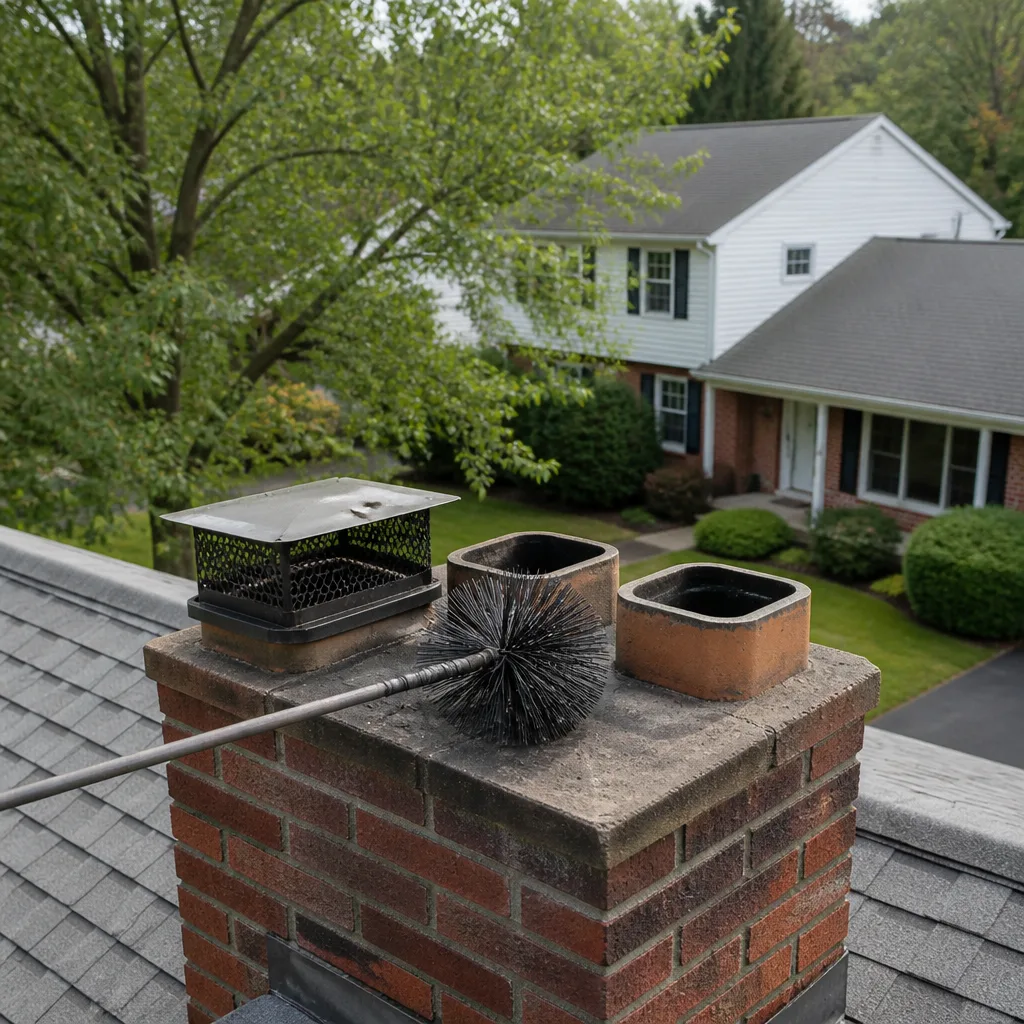
- No cleaning rods or brushes. A real sweep brings rotary brushes sized to your flue. The visible presence of proper equipment is a good sign.
- No documentation. A legitimate sweep takes photos and provides a written report. A sweep who hands you a verbal all-clear with no photos isn’t giving you anything you can verify.
- Recommending a full liner replacement before inspecting. If a liner recommendation comes before the camera has been run and the flue’s condition documented, that’s a sales pitch, not an inspection. HeatShield liner resurfacing, for example, is a viable option in many cases where a full reline would be more expensive and more disruptive. We work with HeatShield because it’s a proven way to extend liner life, and we’ll always tell you when resurfacing is the right call.
- Brushes that are too small for the flue. A brush that doesn’t contact the flue walls won’t remove creosote. Sweeps should carry multiple brush sizes.
- No check on the cap or crown. If the checklist doesn’t mention the crown, cap, or flashing, it’s incomplete. These are the components that fail first in this climate.
A sweep who does the job right will happily walk you through what they found and show you the photos. If they can’t or won’t, that’s your signal to get a second opinion.
When Repair Is Needed: Liners, Crowns and Caps
Not every chimney that needs repair needs the most expensive repair. Matching the fix to the actual condition of the flue is where a specialist’s knowledge earns its keep.
Liner repair vs. replacement
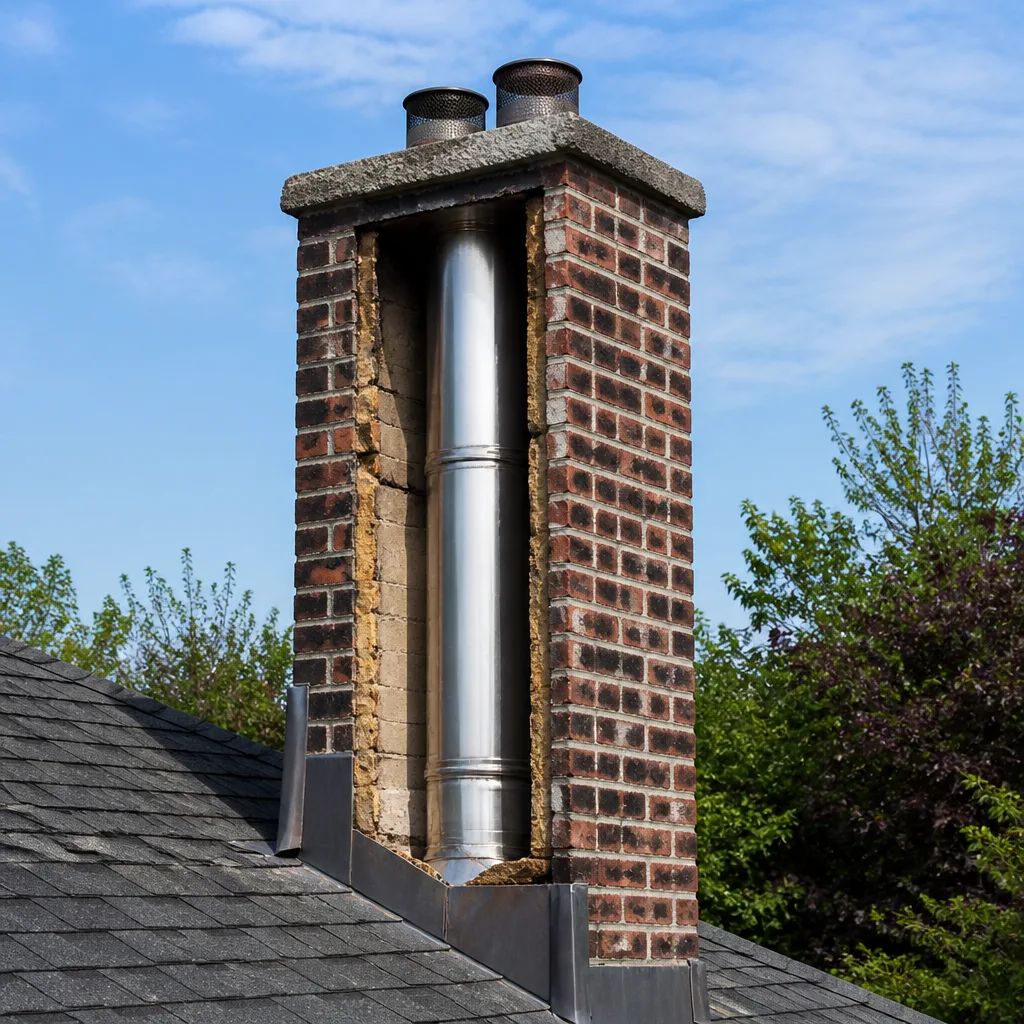
When the flue liner is cracked or deteriorated, there are generally two paths. A full reline replaces the liner with a new one, typically using a flexible system. Resurfacing, using HeatShield, applies a durable coating that extends liner life without the cost and disruption of full replacement. Resurfacing works well when the liner has moderate damage but retains its structural integrity. Replacement is the safer call when the liner is extensively damaged or the flue configuration requires it.
Flexible liner systems for older flues
Many older Brea homes have flues that are out of square or slightly offset, which makes a rigid liner impractical. DuraFlex flexible liner systems handle these retrofit situations well, and we use them because they fit irregular flues without forcing the chimney to give up performance.
Crown and cap installation
A new crown should slope correctly, seal to the flue, and use a formula that stands up to sun and thermal cycling. Caps protect the flue opening and keep animals out. We install caps and crowns using Famco and Olympia Chimney products when the fit and durability justify it, and we match the material to your chimney’s specific needs.
If your fireplace needs work beyond the chimney itself, fireplace repair covers the firebox, damper, and hearth. And if you’ve heard about a tool or issue that’s new to you, the chimney sweep service page explains what a standard visit includes.
Common Mistakes to Avoid
- Treating the chimney as a once-a-decade afterthought. A chimney that sat idle for a decade after the last cleaning is not the same as one maintained every year. Schedule an inspection even if you’ve barely used the fireplace.
- Skipping the spring inspection. Homeowners in Brea tend to think about the chimney only before winter. The spring check catches the water intrusion and debris that winter rain and wind left behind.
- Assuming a masonry chimney doesn’t need an annual inspection. Brick and mortar break down slowly and invisibly. The fact that nothing is obviously wrong is not proof that the chimney is sound.
- Ignoring a cracked crown until water stains appear. By the time water shows up on the ceiling or the attic, the damage has usually spread. Catching crown cracks early can prevent water from getting into the structure at all.
- Letting a sweep do a visual-only check. If no camera goes down the flue, you’re not getting a real inspection. Ask for photos of the flue interior and a written report.
- Accepting a liner replacement recommendation without proof. When a repair recommendation comes before you’ve seen the evidence, ask to see the camera footage and the photos.
- Using the fireplace after a storm without a quick check. Winds can dislodge caps and push debris into the flue. A quick look up the chimney and at the cap after a strong Santa Ana event is worth the effort.
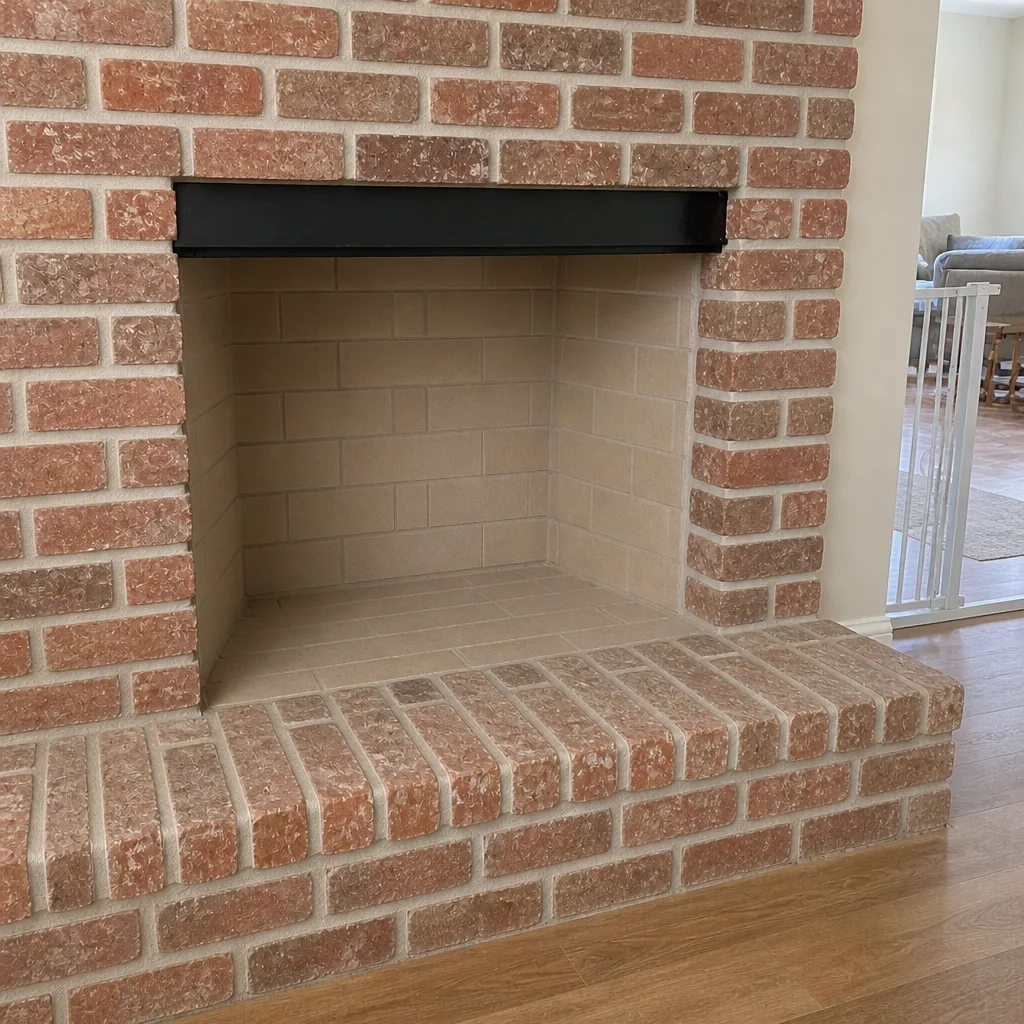
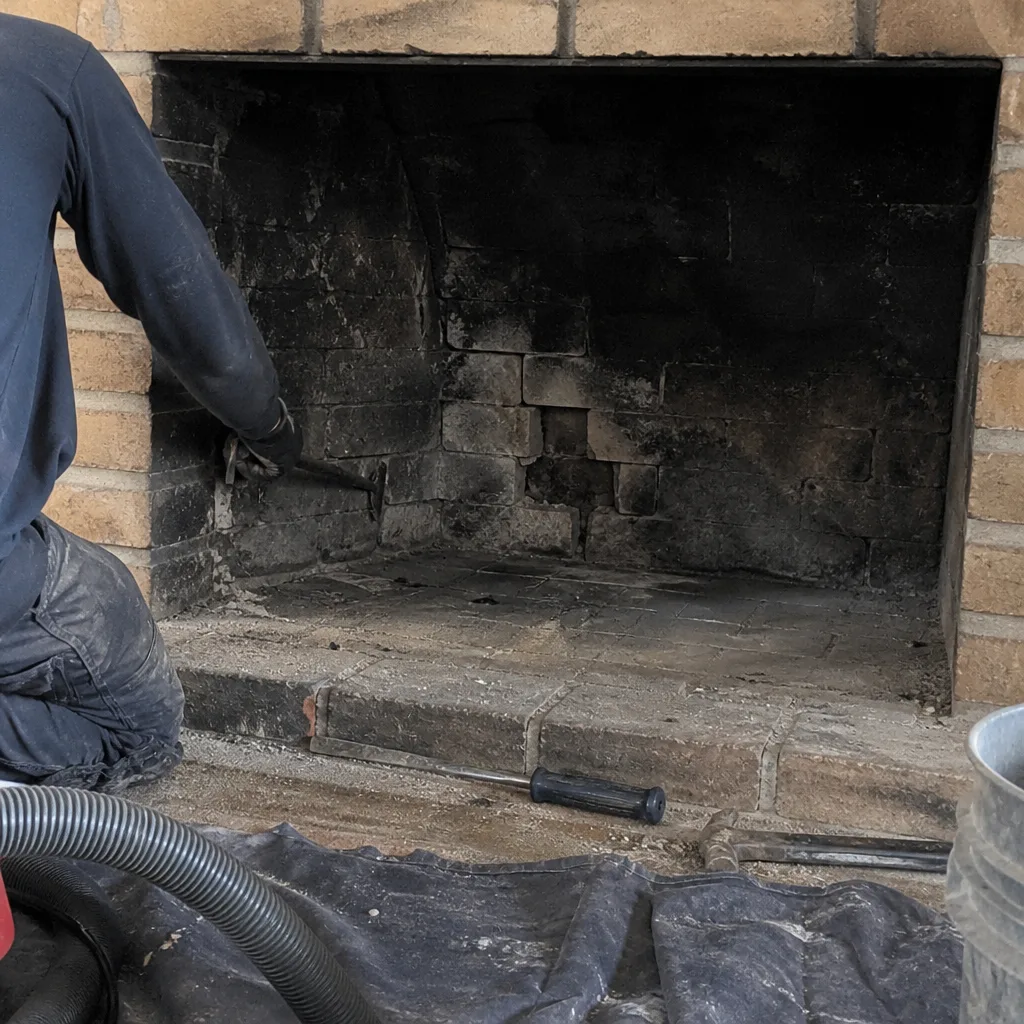
See the difference
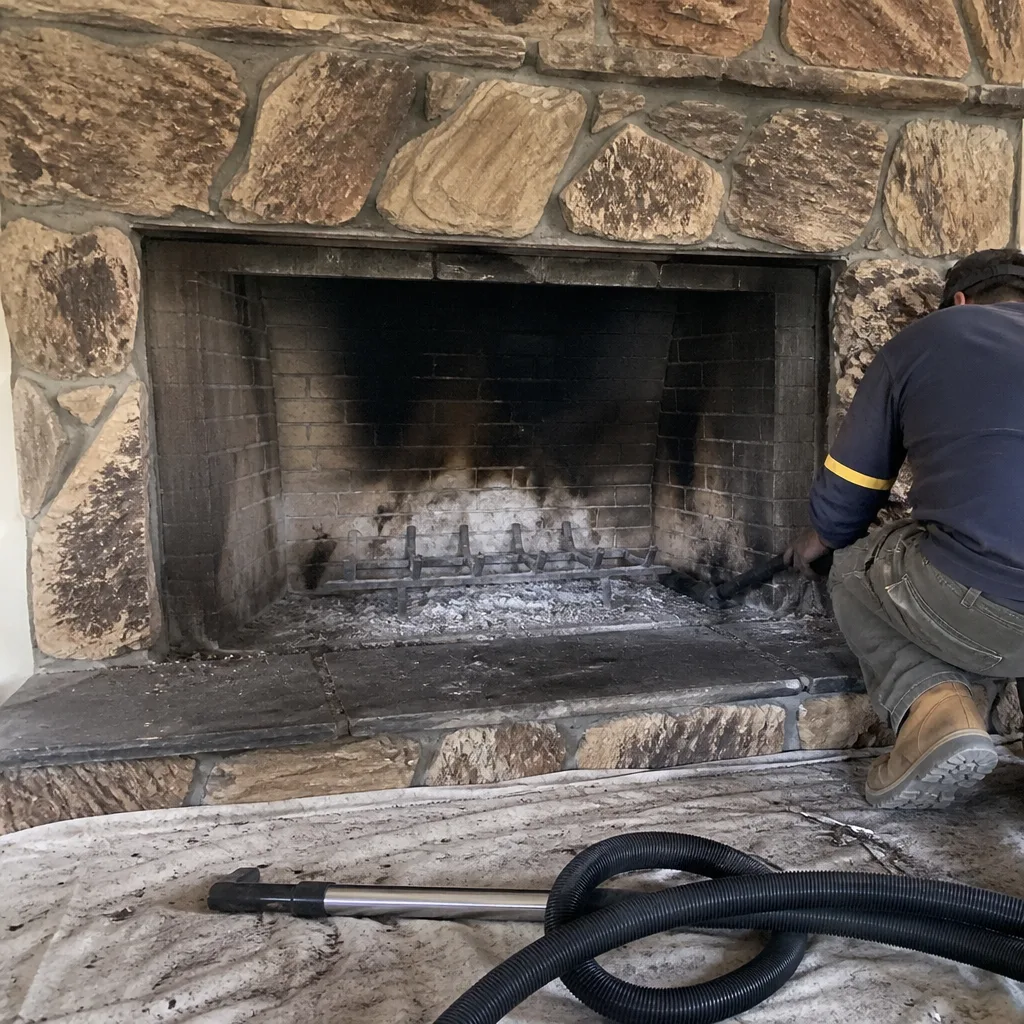 Before
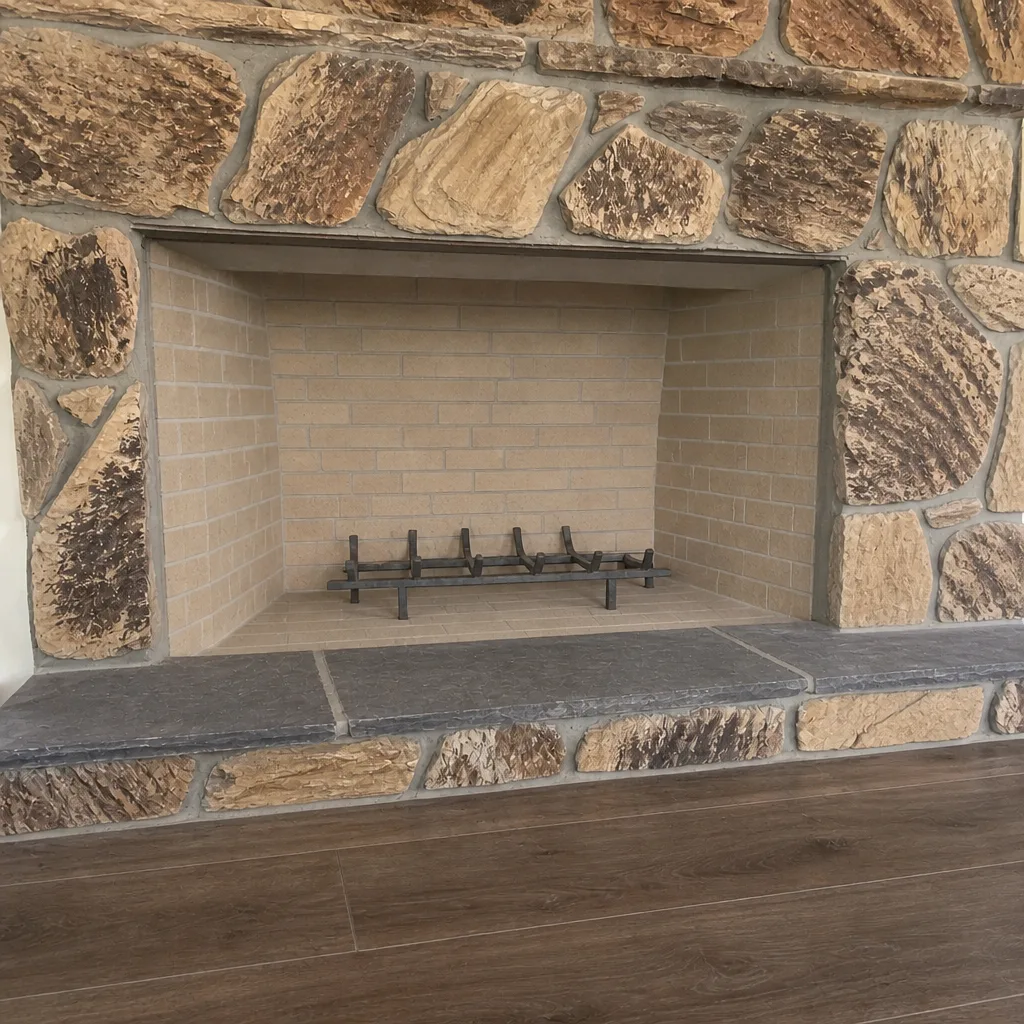 After
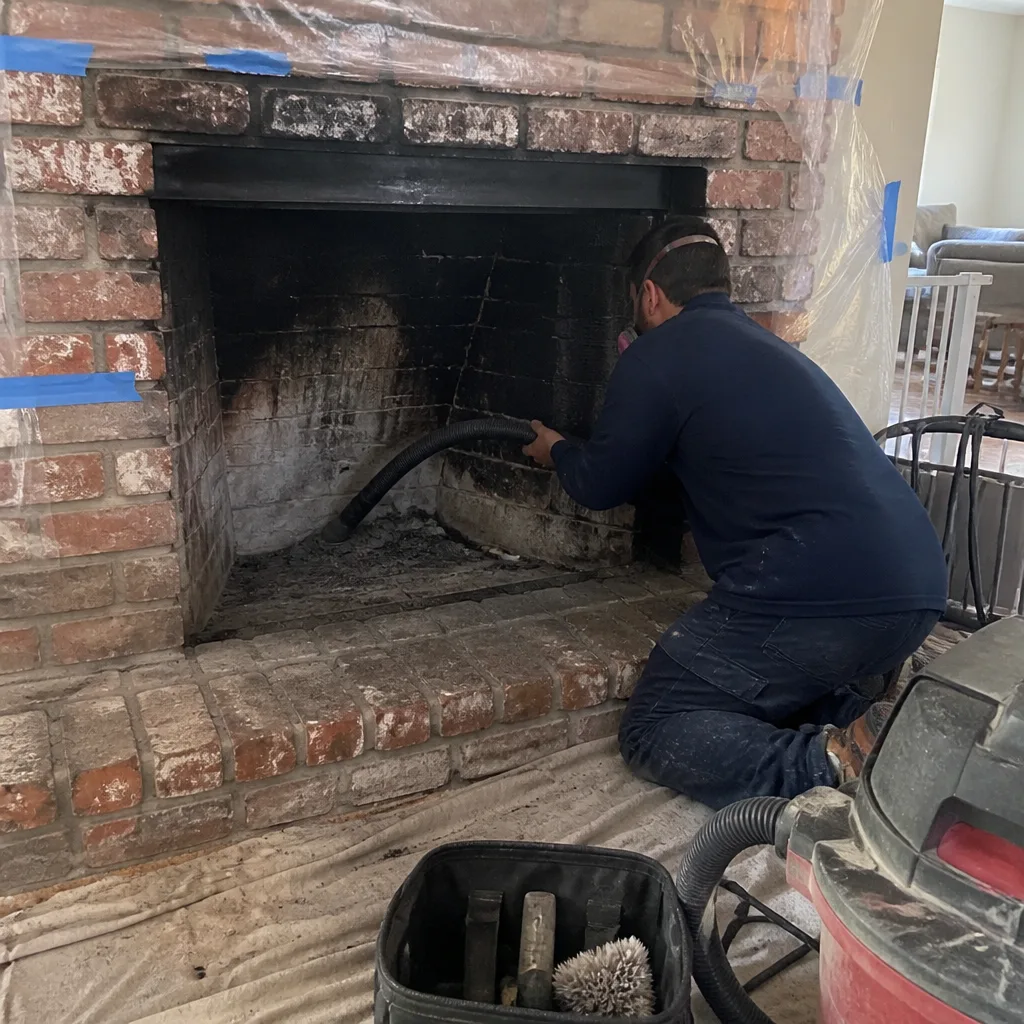 Before
 After
 Before
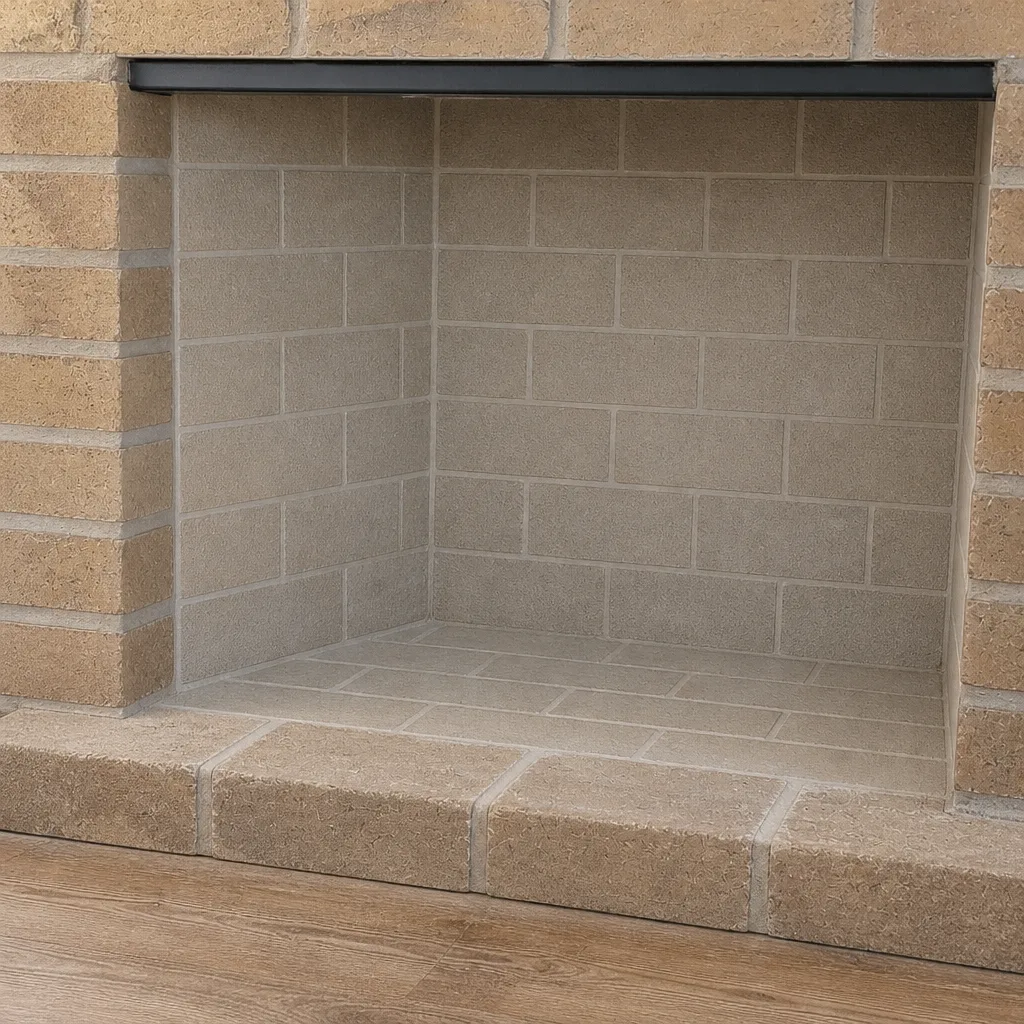 After
When to Call a Professional
There are specific situations where a professional call is the right choice, and it’s better to make it early than to wait. If smoke rolls into the room when the fireplace is lit, if you smell a strong odor when the fireplace is off, or if you see water stains or efflorescence on the firebox walls, those are signals something has changed. If you’ve moved into a recently purchased older home and don’t have a maintenance record, a full inspection gives you a baseline. If you have a visible cracked crown, lifted flashing, or a cap that’s rattling or missing, those need hands-on repair. If a bird, raccoon, or squirrel has gotten into the chimney, don’t try to burn it out; get the animal out and the flue checked for nesting debris. And if you’ve never had a professional inspection, that’s reason enough to book one. Chimney Sweep Brea offers free estimates in Brea – call (877) 792-7505 to schedule.
Frequently Asked Questions
Once a year, and the timing matters. The most consequential visit is a pre-season sweep in September before Santa Ana winds pick up, followed by a post-rain inspection in March or April. If you burn your fireplace heavily, or if you’ve had a smoking problem, a mid-season check is worth considering. Call (877) 792-7505 to book a sweep – estimates are free.
In practice, no. A proper cleaning requires brushes sized to the flue, a camera inspection, and the ability to work safely on the roof. The flue interior is where the real knowledge lives, and no homeowner can safely assess it from the ground. A professional sweep with the right equipment and camera is the only reliable way to know your chimney is actually clean.
A sweep removes creosote and soot; an inspection assesses the condition of the chimney. Most visits combine both, but they’re not the same thing. If a sweep shows up, cleans, and leaves without running a camera or documenting what they found, you’ve paid for half the job.
Yes. Most of the problems that matter are invisible from the ground. Crown cracks, liner deterioration, and debris in the smoke shelf all hide behind masonry. The only way to know the true condition of your chimney is a camera inspection and a professional eye.
Have them evaluated before the next rain. A hairline crack is often repairable with a sealant; a crown that’s broken into pieces or spalling usually needs replacement. In Brea, dry months widen cracks and wet months push water in, so the safest approach is a professional inspection early. Call (877) 792-7505 for a free estimate.
Not always. A damaged liner can sometimes be resurfaced rather than replaced, which extends its life without the cost of a full reline. The decision depends on the type and extent of the damage, which is why the camera inspection comes first. If a liner replacement is recommended, ask to see the evidence before committing.
The Bottom Line
Chimney maintenance in Brea looks different from the generic advice you’ll find most places. The annual sweep still matters, but the two moments that determine whether your chimney lasts are the September pre-wind inspection and the March post-rain check. Crown and flashing are the components UV and dry air attack first, and both are easy to inspect from the ground if you know what to look for. Keep a documented record year over year, know which checks are safe to do yourself, and ask for camera evidence before any repair is recommended. That combination keeps small problems small and catches the slow changes before they become expensive.
If you’d like a straight, camera-backed assessment of your chimney, Chimney Sweep Brea is ready to help. We’ll show you exactly what we find and explain why it matters, with no pressure and no guesswork. Call (877) 792-7505 for a free estimate today. We answer 24/7. Fast dispatch from 7am to 7pm, Sunday through Friday.
Written by the team at Chimney Sweep Brea.