
Last updated November 25, 2026
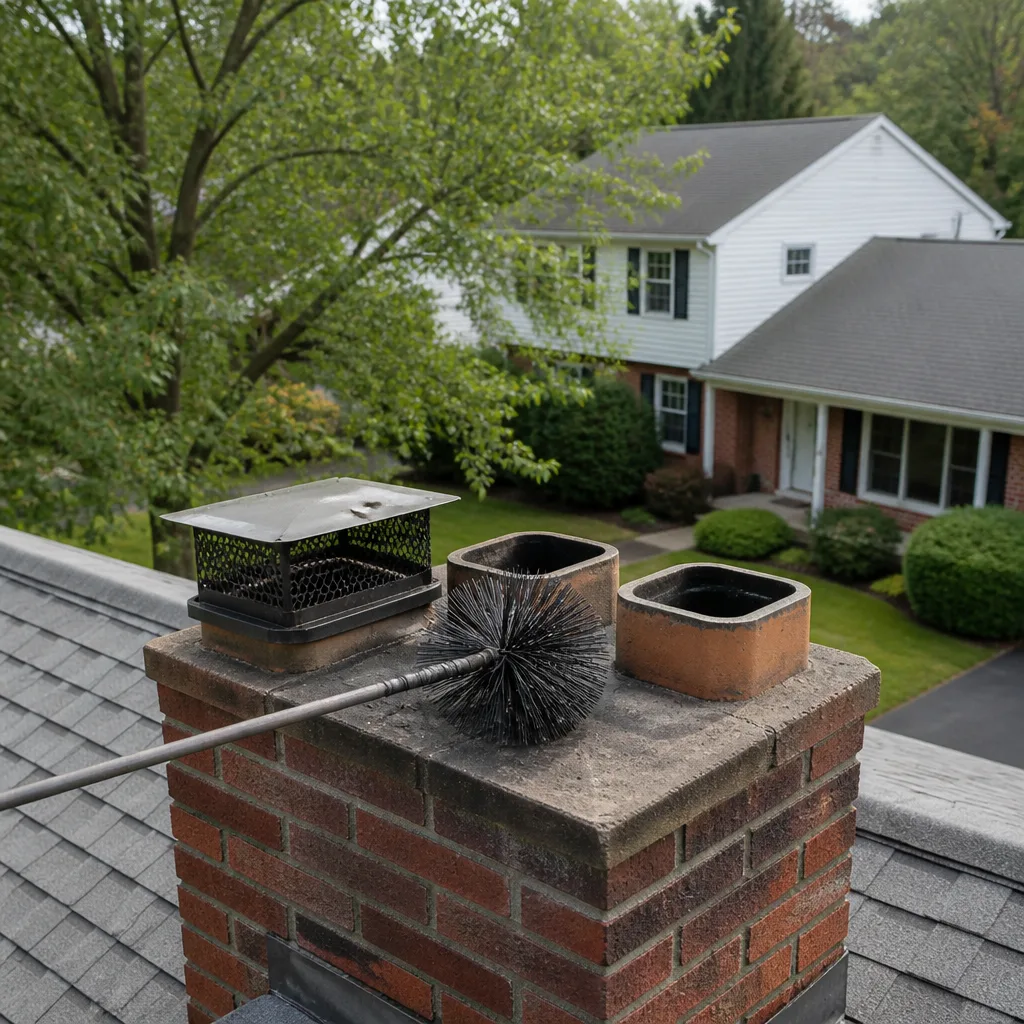 Sweep & inspection
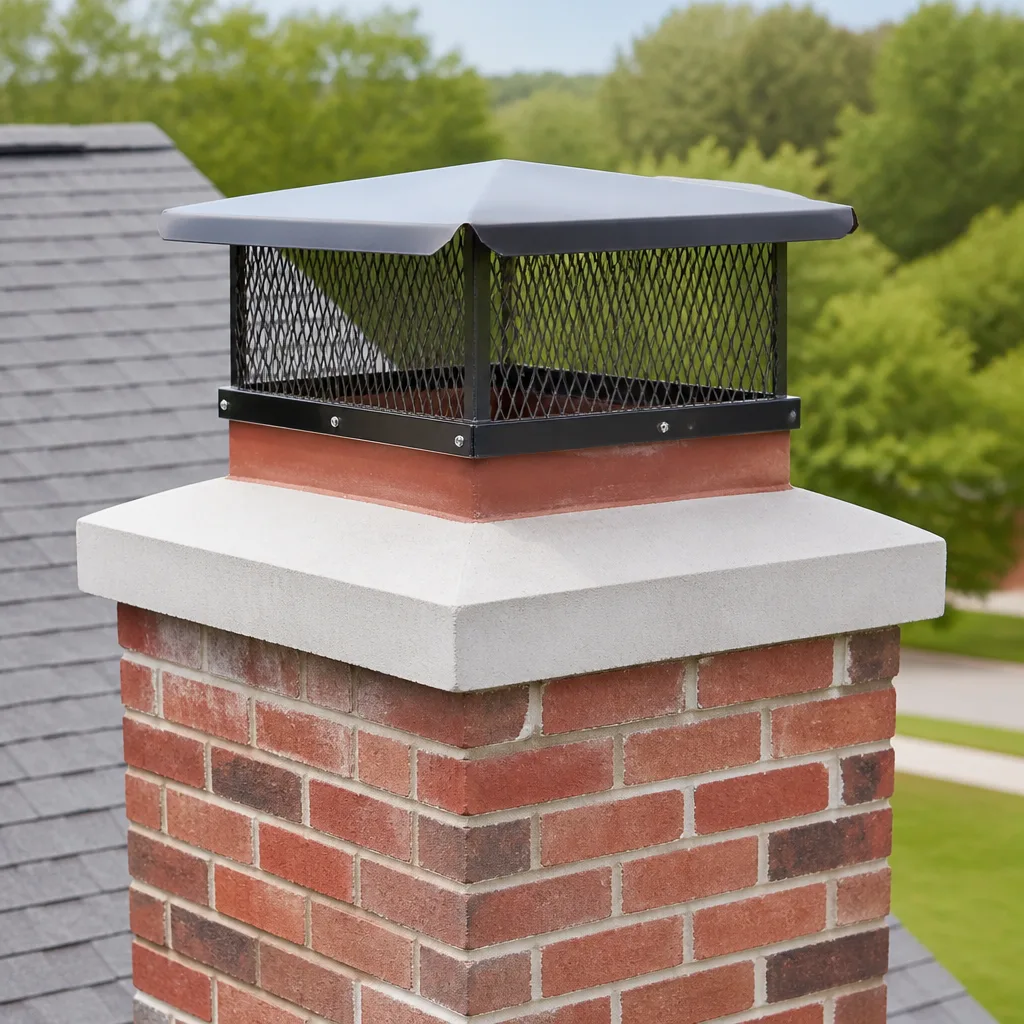 Caps & crowns
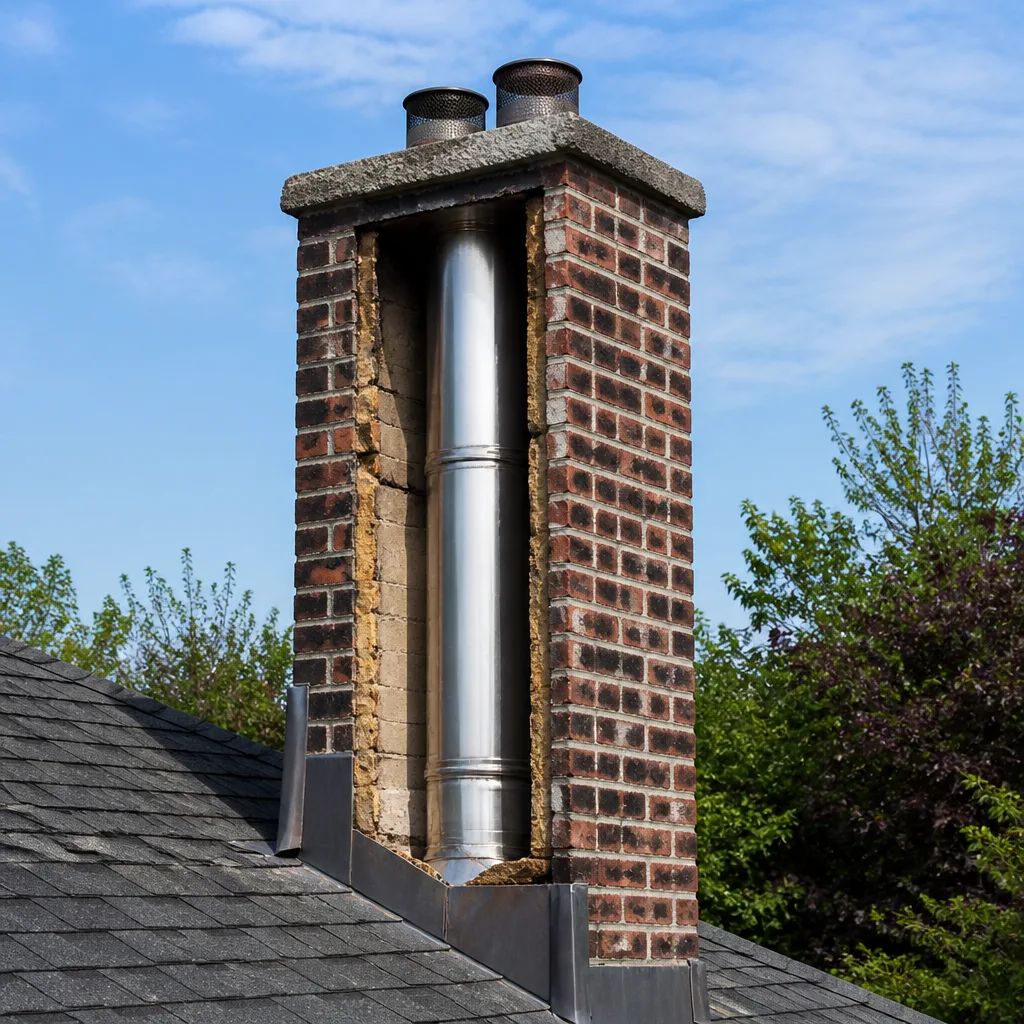 Flue relining
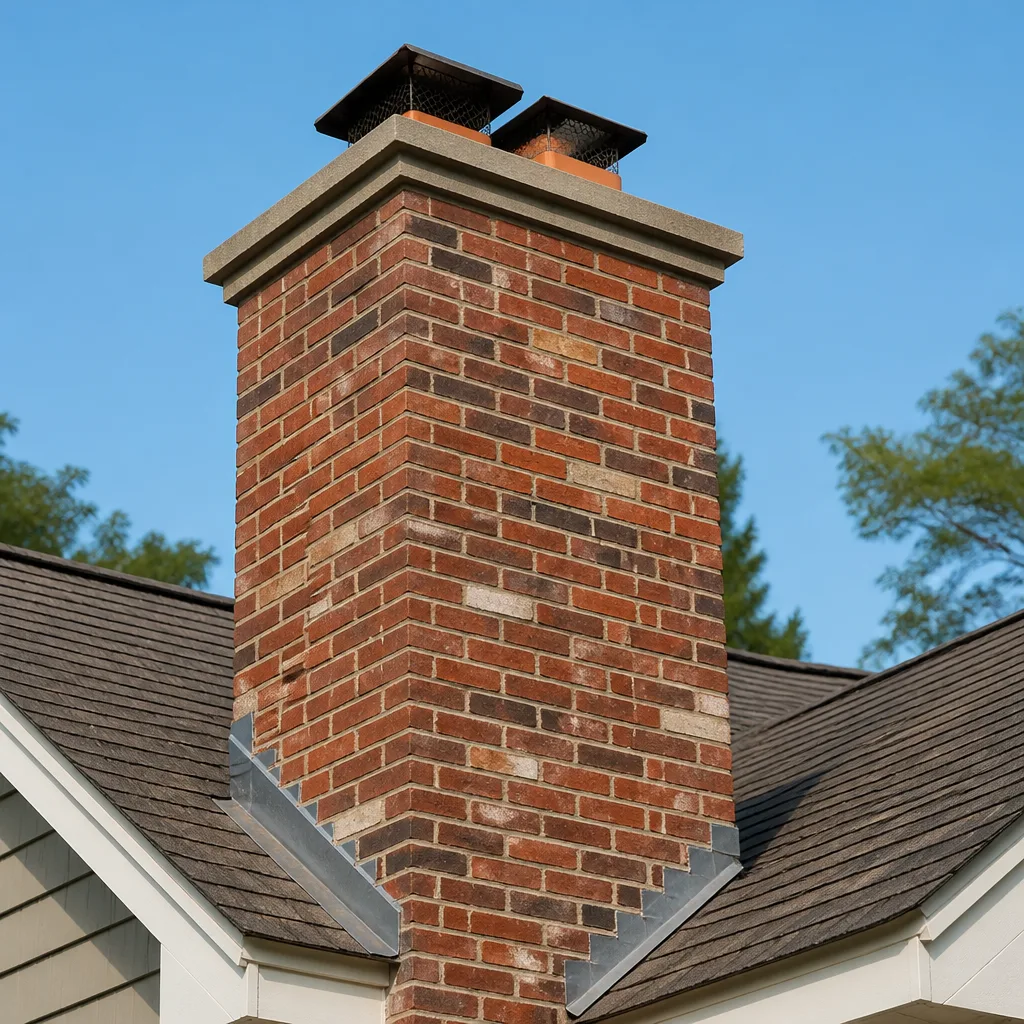 Masonry repair
 Gas fireplace service
Level 1 sweep and inspection to the NFPA 211 annual standard - flue, crown, cap, and flashing checked and photographed
Chimney sweep logs do not sweep chimneys. They loosen some creosote - which then falls where a brush and vacuum still have to collect it.
Chimney Sweep Troubleshooting in Brea: Common Problems and How to Fix Them
Most homeowners assume a smoking fireplace means the chimney needs sweeping. Often it doesn’t. Smoke backing into a Brea living room can come from a blocked flue, a closed or broken damper, a flue that’s too short for the firebox opening, or a pressure problem created by the house itself. Each of those has a different fix and a different cost, and cleaning the chimney won’t touch three of them. That’s the trap: you pay for a sweep, the smoke continues, and now you’re guessing again. This guide is written to help you diagnose before you spend. We’ll walk through the symptoms you can observe yourself, separate what a cleaning actually solves from what needs a camera and a ladder, and flag the handful of findings that mean stop using the fireplace tonight.
Quick Answer
Chimney problems in Brea usually fall into two groups: flow restrictions (creosote buildup, nests, collapsed liner sections) and structural or pressure problems (cracks, a failed crown, an undersized flue, or wind-driven backdraft). A professional sweep with a camera identifies which one you have in a single visit. Cleaning resolves the first group; the second needs repair. Visible cracking in the firebox, a strong chemical smell with no fire lit, or smoke that enters the room every time you burn are reasons to stop using the fireplace until someone qualified looks at it. Our technicians have up to 13 years of experience diagnosing exactly this split, and nothing gets recommended without camera evidence you can see for yourself.
Styles & brands we work with
- Sweep & inspection
- Caps & crowns
- Flue relining
- Masonry repair
- Gas fireplace service
Table of Contents
- Symptom-to-Cause: The Four Problems Homeowners Actually Have
- Santa Ana Winds and Backdraft: Is It Wind or Structure?
- What You Can Safely Check Yourself (and What You Can’t)
- Creosote Restriction vs. Structural Draft: Why Cleaning Fixes One and Not the Other
- Red Flags That Mean Stop Burning Now
- What’s Safe to Monitor Until Your Appointment
- What a Camera Inspection Actually Shows You
- What Each Fix Typically Involves
Symptom-to-Cause: The Four Problems Homeowners Actually Have
The fastest way to understand a chimney problem is to describe exactly what it does, not what you think is wrong. Four symptoms account for nearly everything we get called about, and they point in different directions.
Smoke rolls back into the room. This is a draft failure. Possible causes: a flue that’s too small for the firebox, a damper that won’t open fully, negative pressure from a tightly sealed house or a kitchen exhaust fan pulling air down the chimney, or a flue partially blocked by creosote or a nest. If it happens only when you first light the fire and clears after ten minutes, it’s often cold-flue backdraft. If it happens every time, it’s structural or a restriction.
The fire burns lazy and slow, with a weak draw. Usually a restriction. Creosote glazed onto the flue walls, a fallen tile, a bird nest, or a liner that has collapsed in on itself all narrow the passage. The fire starves for air and smolders, which builds more creosote, which narrows it further.
A persistent odor, especially on warm days. Chimneys smell when creosote and soot sit in a flue and the pressure in the house reverses. It’s also the signal of a nest or animal intrusion. Smell alone rarely means danger, but it always means something is in the flue.
Visible cracking, crumbling mortar, or stains. Look at the firebox brick and the mortar joints, and check the ceiling and wall near the chimney for brown staining. Cracks inside the firebox can let heat reach framing. Staining on the exterior or interior usually traces to a failed crown or flashing.
Match your symptom, and you’ll walk into the service call knowing roughly which category you’re in. In a Brea home, we see the restriction group more often in older tracts where the flue hasn’t been touched in years, and the structural group more often where a remodel or a roof change has altered the chimney’s surroundings.
Santa Ana Winds and Backdraft: Is It Wind or Structure?
Brea sits in a stretch of Orange County where Santa Ana wind events push hard, dry air from the interior toward the coast. That matters for your fireplace. Chimneys rely on warm air rising and pressure balancing between the room and the outdoors. When strong wind crosses the top of a chimney at the wrong angle, it can overpower that rising column and shove air back down the flue.
Here’s how to tell wind from a structural problem, using your own observations:
- Note the weather. If the smoking or smell appears only on hot, dry days with strong inland winds, wind-driven backdraft is the likely culprit. If it happens on still nights in December, it isn’t.
- Test with a door cracked. Open a window a few inches on the same side of the house as the chimney and relight. If the draw improves noticeably, you have a pressure problem in the house, not a blocked flue.
- Look at the termination. From the ground, check whether the chimney top sits below a nearby roofline, a tall tree, or a neighboring structure. A flue that’s shorter than the surrounding roofline is vulnerable to wind and to downdraft, and no amount of cleaning fixes that.
- Watch for the pattern. Wind backdraft usually brings a puff or a gust-driven spill, then recovers. Structural problems spill steadily.
Wind-related backdraft is often addressable with a proper cap or a change to the termination height, which is where a dedicated chimney cap and crown evaluation earns its keep. If your symptoms track Santa Ana events specifically, say so when you call. In Brea, we hear that pattern described often enough that it’s one of the first things we ask. If wind is the cause, cleaning the chimney won’t change the behavior by itself, and we’ll tell you that rather than sell you a sweep and let the smoke continue.
What You Can Safely Check Yourself (and What You Can’t)
There is a real line between what’s safe to look at and what isn’t. Knowing where that line sits saves you a service call when nothing’s wrong and gets you off the couch faster when something is. Here’s the split.
Safe to check yourself:
- The firebox, with no fire lit and everything cold. Look at the brick faces and the mortar joints for cracks, gaps, or crumbled material.
- The damper plate. Open and close it. It should move freely and seal reasonably flat. A damper stuck partway open or rusted shut is a common, easily explained cause of a smoky fire.
- The flue, from below, with a flashlight pointed up. You’ll see the first few feet. Look for shiny black glaze (creosote), obvious blockage, or a broken tile edge. That’s all you can see, and that’s fine.
- The exterior of the chimney, from the ground. Look at the crown at the top for visible cracks, and check for missing caps or a leaning stack.
- Staining. Brown or black marks on the ceiling, wall, or exterior masonry tell you water is getting in.
Not safe to check yourself:
- Anything on the roof. Ladder work on a pitched roof, especially one that’s steep or wet, is how homeowners get hurt. Don’t do it.
- The flue above the first few feet. You can’t see creosote glazing or a collapsed liner section from the firebox floor. That takes a camera run down from the top.
- Anything involving the metal liner. Pulling on it, probing it, or trying to clear a blockage with a tool from below can damage it further.
- The interior of the smoke chamber above the damper. That’s a narrow, angled space where creosote collects out of sight, and it’s a leading source of chimney fires.
We tell homeowners the same thing: if your inspection turns up visible cracking in the firebox or staining on the walls, stop and call. If it turns up a stiff damper and a little soot, note it and bring it up at your next chimney inspection. That’s the honest line, and it’s the same line a technician would draw on site.
Creosote Restriction vs. Structural Draft: Why Cleaning Fixes One and Not the Other
This distinction is where a lot of money gets spent wrong, so it’s worth slowing down on. A restriction problem is a physical narrowing of the flue passage. A structural draft problem is a chimney that is the wrong size, shape, height, or condition to move air properly even when it’s spotless. Cleaning fixes the first. It cannot fix the second.
Restriction problems, which a cleaning resolves:
- Creosote buildup, from light soot to glazed stage-three creosote that has fused to the flue walls
- Bird or animal nests in the flue or cap
- Leaves and debris that have fallen down past a missing cap
- A partially collapsed liner section
Structural draft problems, which need repair:
- A flue that’s undersized for the firebox opening. A wide firebox with a narrow flue will smoke no matter how clean it is.
- A flue that’s too short relative to the roofline or nearby trees
- A cracked or spalling flue liner that lets air leak in and disrupts the draft
- A crown or flashing failure that lets water in, which breaks down the masonry over time
- House pressure problems from modern sealing, kitchen fans, or a furnace that competes for the same air
If you have a smoke problem and someone cleans the chimney and the smoke continues, the cleaning was treating the wrong cause. That’s a frustrating outcome, and it’s avoidable. It’s why we run a camera and photograph what we find before recommending any work. You should be able to look at the image and see the narrowing or the crack for yourself. If the flue is sound and the problem is structural, a cleaning is not the answer, and we’ll say so. If the liner itself has failed, we’ll talk through whether a full reline with DuraFlex is the right call or whether a resurfacing with HeatShield will restore the flue at less cost and disruption. That “right liner for your flue” decision belongs to the condition of the flue, not to a sales target.
Red Flags That Mean Stop Burning Now
Most chimney issues can wait for a scheduled appointment. A few cannot. When you see these, stop using the fireplace until someone qualified has looked at it. We don’t say this to alarm you; we say it because this is a genuine safety line.
- Glazed, shiny creosote visible in the flue. That’s stage-three creosote, the kind that ignites at lower temperatures and burns hot. It needs professional removal before the next fire.
- A chimney fire. If you’ve heard a roar or a low rumble from the chimney, seen a sudden plume of smoke and sparks from the top, or noticed blackened paper in the firebox after a burn, treat it as a chimney fire. Stop burning and get it inspected. A fire can damage the liner without any obvious sign in the room.
- Visible cracks in the firebox or the smoke chamber. Heat and embers can reach framing through those cracks.
- Crumbling or soft mortar, or a firebox that’s lost chunks of brick. The firebox is a fire-containment structure. Erosion means it’s no longer containing reliably.
- A carbon monoxide alarm sounding while a wood fire or gas appliance is running. Get out, ventilate, and don’t relight anything until the chimney and appliance are checked. Carbon monoxide risk is real and it’s not something to troubleshoot over the phone.
- Smoke entering the room with every burn, every time. A steady spill is a draft failure you can’t diagnose from the couch.
- Water actively coming in near the chimney or down the flue. Water breaks down masonry and can corrode metal liners. It also points to a crown or flashing failure that should be fixed before the next wet season.
Any one of these is a call-us-today situation. The rest of this guide is about the findings that aren’t.
What’s Safe to Monitor Until Your Appointment
Between a routine finding and an emergency is a broad middle ground, and most Brea homes sit in it. Here’s what we’d tell a homeowner who’d found one of these and wanted to book a normal appointment rather than panic:
- Light soot and stage-one creosote. A thin, flaky layer is normal between cleanings. It’s the reason for a scheduled sweep, not for a stop-burning order.
- A slightly stiff but working damper. Note it. A damper that moves, even grudgingly, isn’t dangerous. A damper you can’t operate at all is a separate issue.
- A minor crack in the exterior mortar of the chimney stack. If it’s not letting water in and the firebox is sound, it can wait for a scheduled chimney repair visit. Watch it, though: small masonry cracks get bigger over wet winters.
- A worn cap with a loose screen. Replace it before nesting season. In the meantime, just check the flue for debris before you light.
- An odor on warm days with no other symptom. Unpleasant but not hazardous on its own. It’s the signal that a cleaning is due, not that the chimney is dangerous.
If you’re not sure which side of the line your finding falls on, the safest move is to describe it over the phone. We’d rather hear from you and say “that can wait” than have you sit on something that shouldn’t wait. That’s how we work, and it’s also just the right thing.
What a Camera Inspection Actually Shows You
A proper inspection isn’t a flashlight look from the firebox. It’s a camera run down the flue from the top, plus a visual review of the firebox, smoke chamber, damper, crown, and cap. The result should be photographs and video the homeowner can see and understand, and a plain explanation of what each image shows.
Here’s what we capture and why it matters:
- The full length of the flue interior. Creosote glazing, a broken tile, a gap between sections, and a collapsed liner all show up here and only here. This is the single most important image in the inspection.
- The smoke chamber. The angled space above the damper collects creosote out of view of the firebox. A camera shows whether it’s caked.
- The firebox and damper. Photographed and reviewed for cracking, mortar erosion, and damper function.
- The crown and cap from above. Crown cracks, missing caps, and cracked screens are visible on a proper rooftop inspection. This is also the moment to assess whether wind backdraft is likely, based on the flue’s height relative to surrounding rooflines.
- The exterior masonry and flashing. A review for staining, spalling, and water intrusion points.
Here’s what we found and here’s why it matters: that’s the standard we hold ourselves to. If the camera shows a clean, sound flue, we tell you and you’re done. If it shows creosote that needs removing, we sweep and clean. If it shows a few cracked tiles or a spalling liner, we walk through the repair options, which may include HeatShield resurfacing or a DuraFlex flexible liner for a flue that isn’t a standard shape.
What Each Fix Typically Involves
Cost depends on the job, the condition of the flue, and the repair. What we can do is describe what each job includes so you know what you’re comparing when you get estimates. Every price is set per job by a written estimate you receive before any work starts.
Here’s what each service typically includes:
- A chimney sweep: camera inspection, a full flue cleaning, the smoke chamber and firebox, the cap and screen, and a photo report. This is the routine service that keeps a sound chimney sound.
- Fireplace repair: a focused fix for the firebox or damper, from a cracked firebox panel to a damper that won’t seal. We use Gelco and Olympia Chimney components for firebox and damper work.
- Chimney repair: masonry work for the stack, crown, and firebox, including re-pointing mortar, rebuilding a cracked crown, and addressing spalled brick. Famco and Copperfield products come into play for crowns, flashing, and structural repairs.
- Liner work: this is where the repair-versus-replace decision is made. A HeatShield resurfacing can often restore a flue liner without the cost and disruption of a full reline. A DuraFlex flexible liner handles a retrofit for a non-standard flue or a full liner replacement.
- Cap and crown installation: a proper cap and crown, sized and fitted for your chimney, keeps rain, debris, and wildlife out. It also shapes the wind behavior at the top of the flue.
We don’t want you guessing at numbers, and we won’t throw out a figure that doesn’t reflect your chimney. Call for an exact quote and a written estimate. We work with your insurer where relevant, and the written estimate sets the final price.
For a straightforward sweep, that’s what most homeowners are actually booking. If you want to see the exact scope of a routine cleaning, the Chimney Sweep Brea page covers what’s included and what’s not. If you’re pricing a whole-house service, chimney sweep and inspection together usually make sense, since the inspection findings and the cleaning happen in the same visit.
Common Mistakes to Avoid
- Assuming smoke means a dirty flue. Half the time it doesn’t. If the smoke returns after a cleaning, the cause was structural or pressure-related, and the cleaning treated the wrong problem.
- Burning unseasoned wood to “clear it out.” Wet or green wood builds creosote faster and burns cooler. Dense, seasoned firewood is the single best thing you can do for a chimney’s health, and it’s the same advice a technician would give you in person.
- Neglecting the cap. A missing cap is an open door for birds and debris. In a Brea home under an oak or a tall pine, a nest in the flue is a matter of when, not if.
- Ignoring a crown crack because the fireplace “still works.” The fire will keep working while the crown lets water into the masonry behind it. Water is the slow cause of most masonry damage we see.
- Treating a chimney like a seasonal chore. In mild Brea winters, the fireplace can get used on and off all season. That means more creep-time for creosote between burns, and a fall cleaning schedule that assumes one heavy winter doesn’t match how homes here actually heat.
- Believing the cheapest quote without seeing the camera findings. If someone quotes a liner replacement without showing you the image that justifies it, ask for it. The evidence should be part of the estimate.
- Burning without a checked carbon monoxide alarm nearby. Wood fireplaces and gas appliances share a house. A working CO alarm is cheap insurance and a real one.
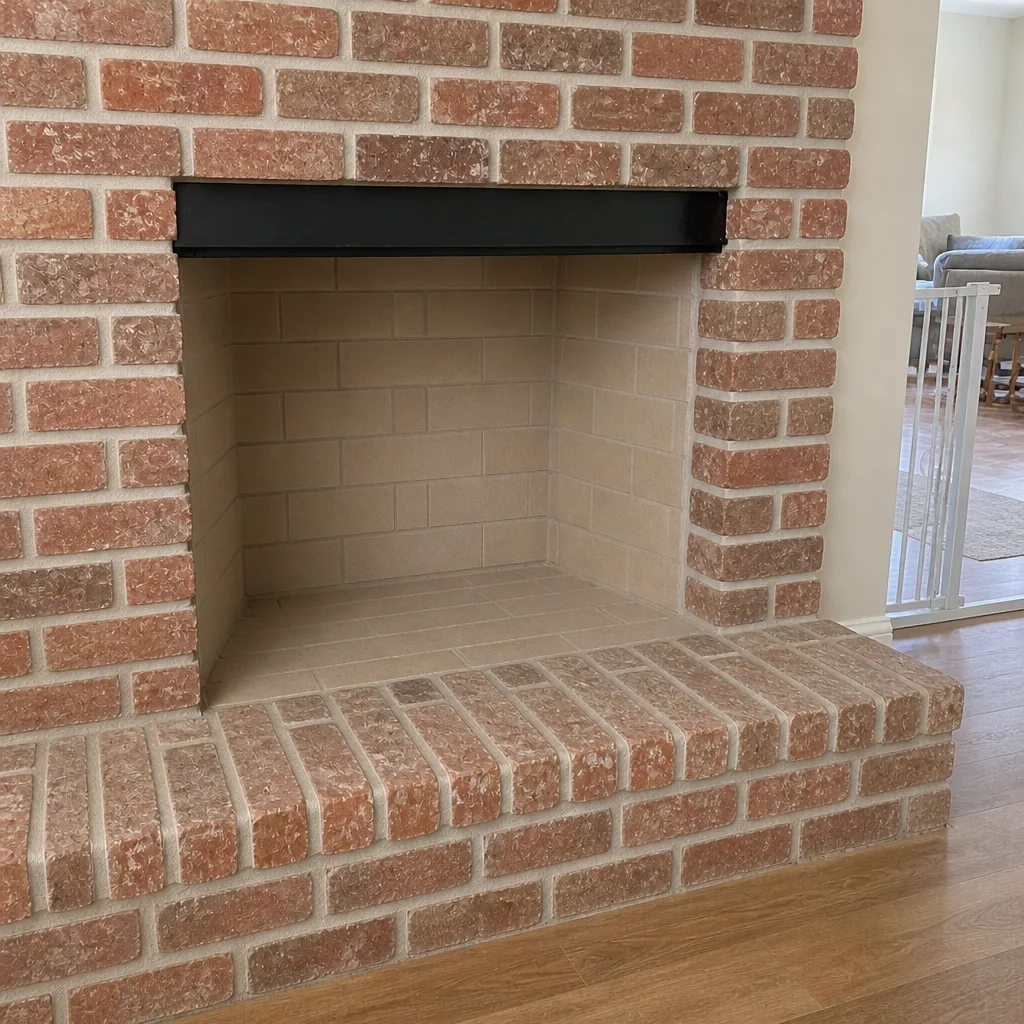
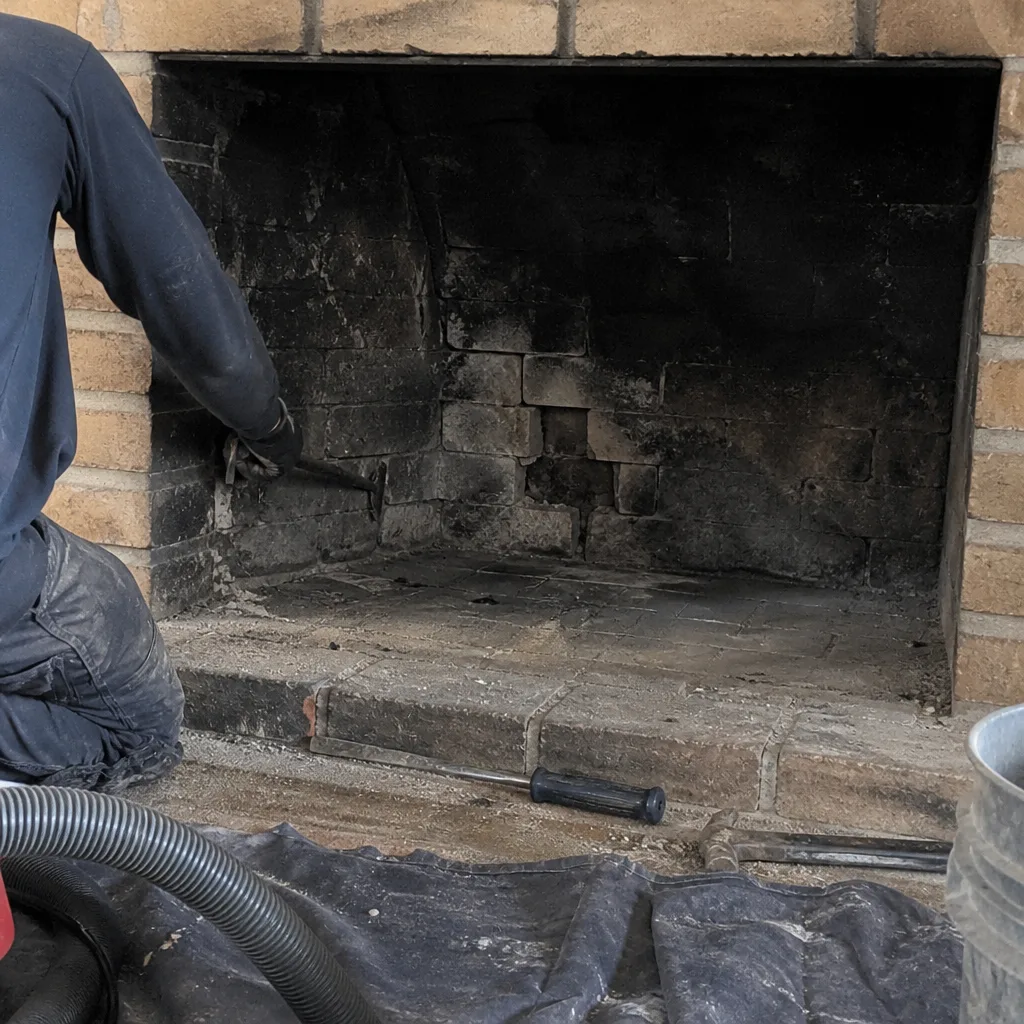
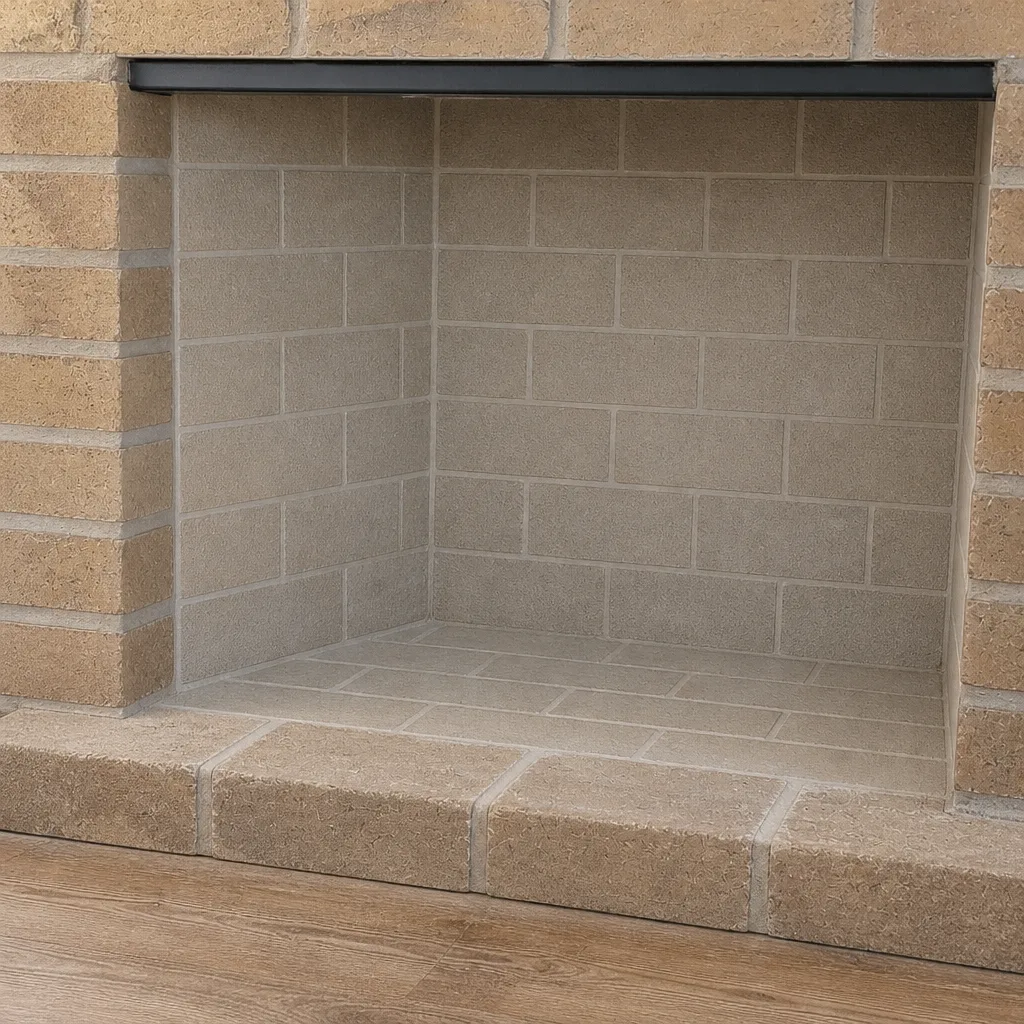
See the difference
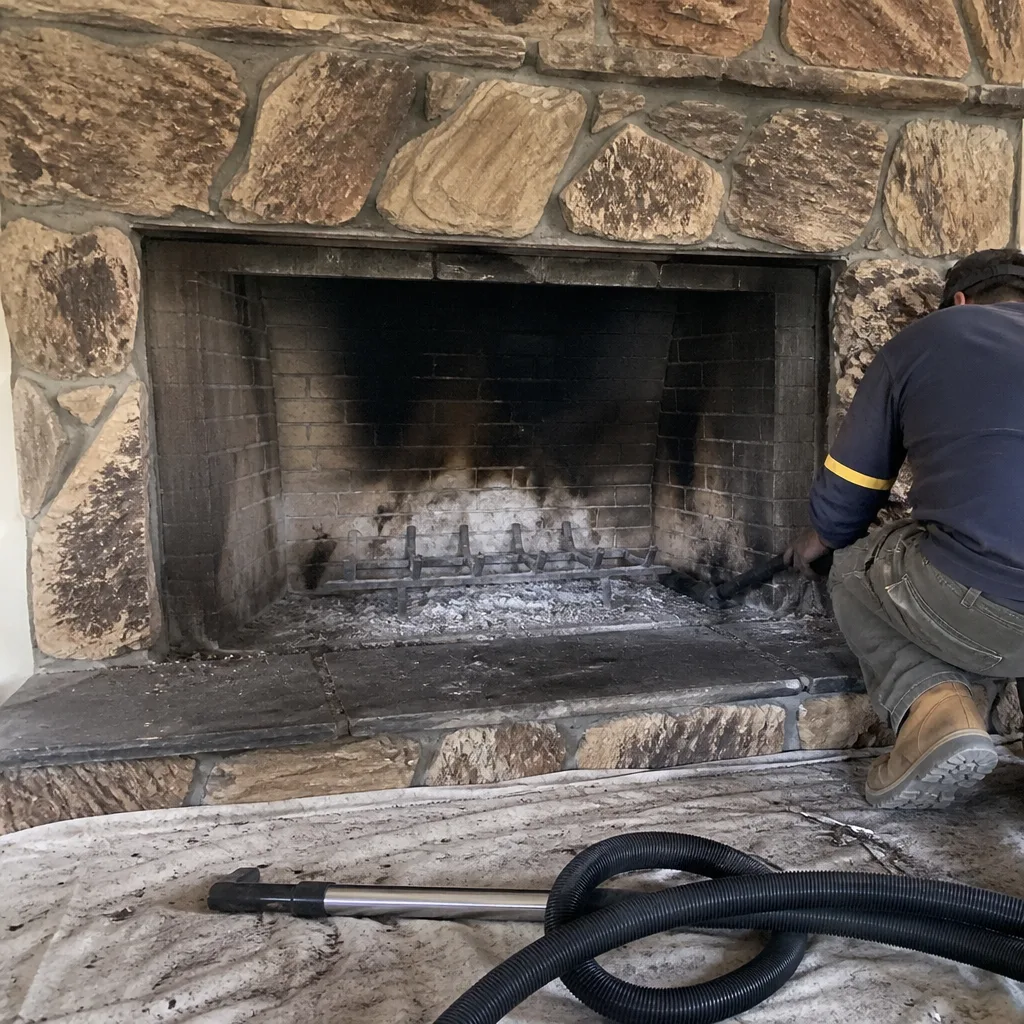 Before
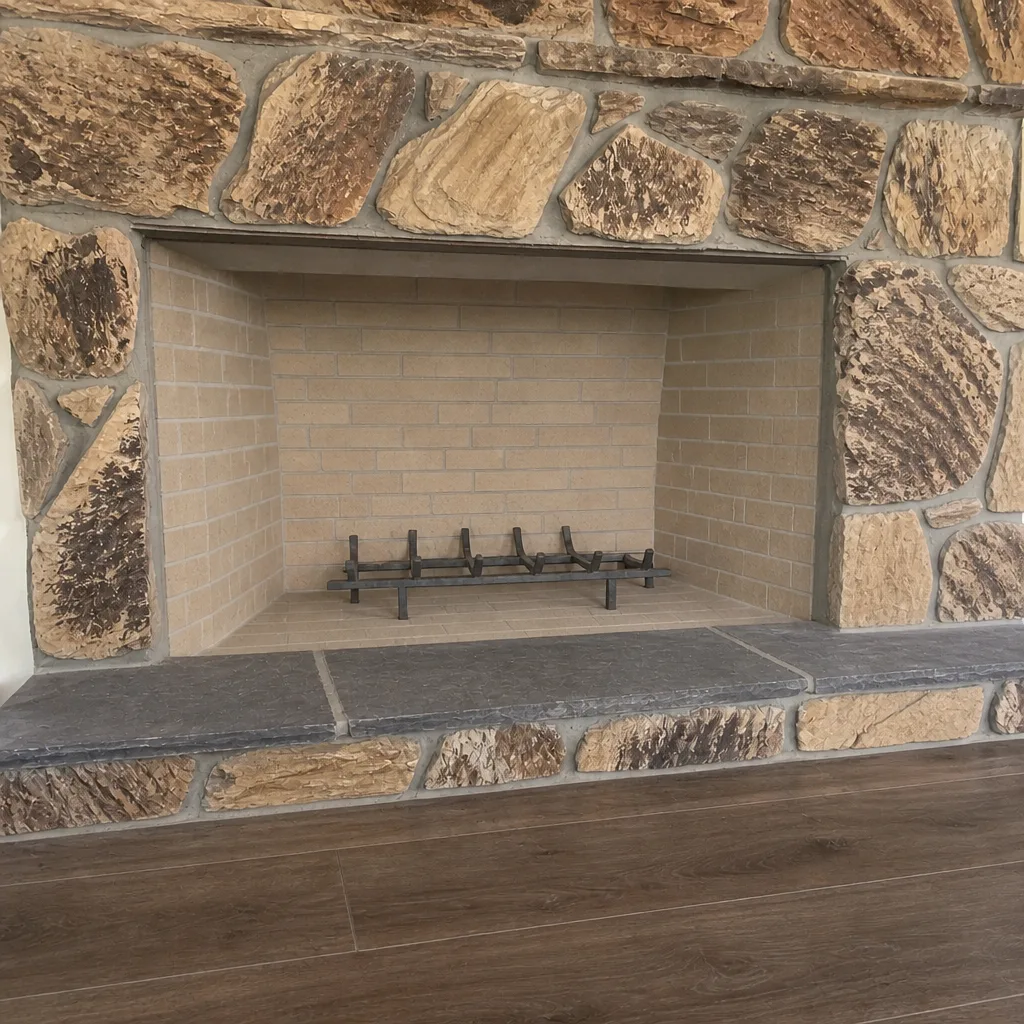 After
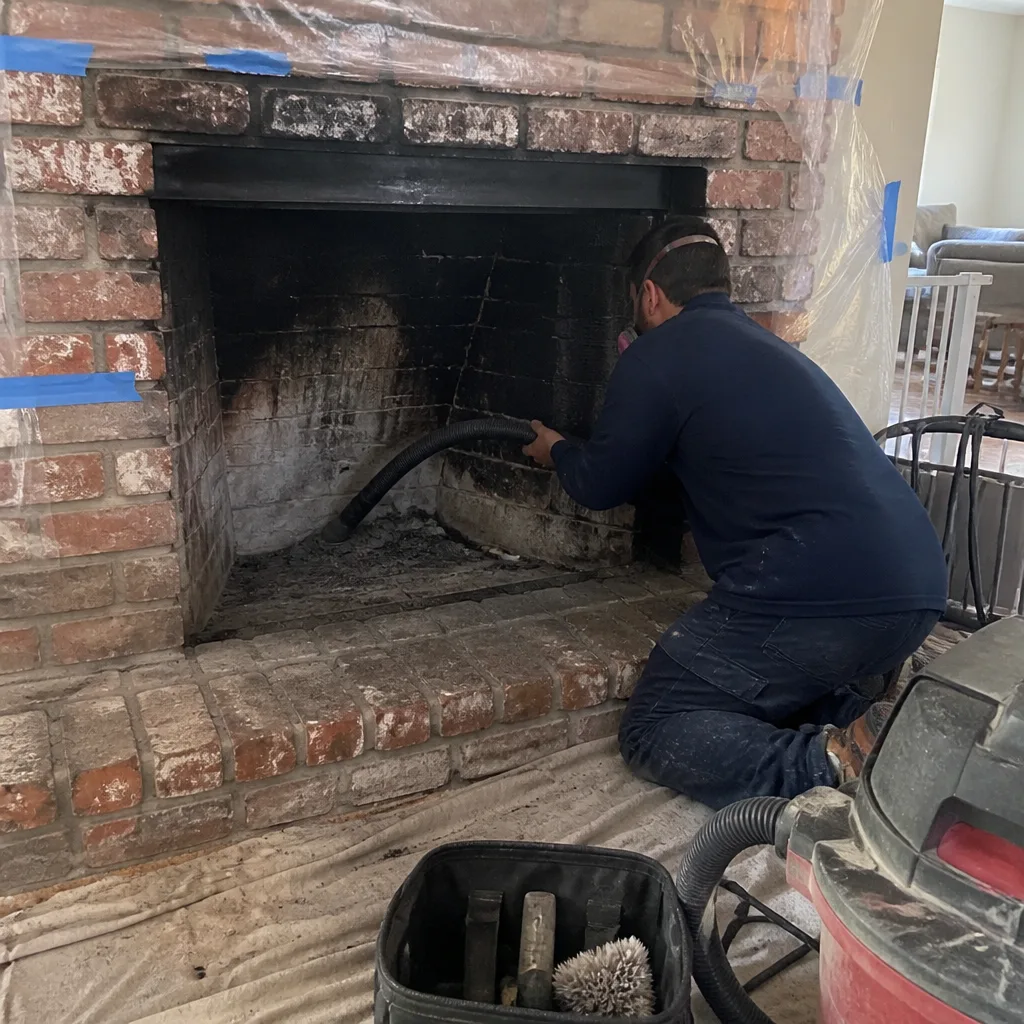 Before
 After
 Before
 After
When to Call a Professional
Call a professional when you see glazed creosote, cracking in the firebox, a chimney fire (even a suspected one), water intrusion around the chimney, a carbon monoxide alarm with a fire or gas appliance running, or smoke that enters the room every time you burn. Call when you’ve just bought an older home and the fireplace’s service history is unknown. Call when a nest or animal has been in the flue. Call if you’re simply not sure what a finding means. Chimney Sweep Brea offers free estimates in Brea: call (877) 792-7505. We answer 24/7, and we dispatch from 7am to 7pm, Sunday through Friday. If you need a same-day visit for a finding on the stop-burning list, tell the dispatcher what you saw and we’ll book it as soon as we can. For everything else, a scheduled appointment is fine and usually the right call.
Our technicians have up to 13 years of experience, and the same specialist who identifies a problem is the one who repairs it. That single-source accountability matters: there’s no middleman making a diagnosis and passing it to a separate crew. Your chimney, start to finish, with us.
Frequently Asked Questions
It depends on the flue and what’s found on inspection, so the estimate is set per job and confirmed in writing before any work starts. A sweep includes a camera inspection, a full cleaning, and a photo report. Call (877) 792-7505 for an exact quote; estimates are free, and you’ll see the findings before anything is recommended.
Not every flue needs a new liner. If the camera shows a sound liner, it doesn’t need replacing, and we’ll tell you. If a few tiles are cracked or the liner is spalling, we’ll walk through whether HeatShield resurfacing can restore the flue at lower cost, or whether a DuraFlex liner is the right call. Nothing is recommended without camera evidence you can see for yourself. Call (877) 792-7505 and we’ll talk through what the findings mean.
Most wood-burning chimneys should be swept once a year, or more often if you burn regularly through the season. In Brea, where a fire might run on and off across a mild winter instead of one concentrated stretch, the flue needs checking at the end of each season, when soot has had time to settle. If the fireplace is gas or you burn only occasionally, ask us to advise on a schedule for your chimney. Call (877) 792-7505 for a same-day or scheduled visit.
Creosote accumulates, and glazed creosote ignites at lower temperatures than you’d expect. That’s what causes most chimney fires, and a chimney fire can damage the liner without any sign in the room. Skipping a sweep also means missing the slow problems, like a crown crack letting water into masonry or a liner degrading silently. Both are easier and cheaper to fix early. Call (877) 792-7505 and we’ll book a sweep and inspection before the next burn.
Wind is the likely cause. Santa Ana events push strong, dry air through the Brea area, and a chimney that’s shorter than a nearby roofline or an adjacent tree can get overpowered, forcing air back down the flue. That’s a wind and termination-height problem, not usually a cleaning problem, so cleaning alone won’t fix it. A cap assessment and a look at the flue height can. Call (877) 792-7505 to schedule an inspection.
No. Visible cracking in the firebox or smoke chamber is a stop-burning item until someone qualified inspects it, because heat and embers can reach framing through the crack. Get it looked at before the next fire. Call (877) 792-7505 and we’ll dispatch from 7am to 7pm, Sunday through Friday, or take your details and book the next opening if you reach us overnight. We answer 24/7.
The Bottom Line
Most chimney problems in Brea have a symptom you can observe and a cause a trained eye can confirm. Match the symptom to the category first: smoke back into the room is usually draft, a lazy fire is usually restriction, odor is usually a nest or creosote, and cracking or staining points to structural or water damage. Cleaning fixes the restriction group and nothing else. Wind events trick a lot of homeowners into thinking a flue is blocked when the flue is simply too short for its surroundings. Open up the house, look at the termination, and check whether the pattern follows the weather. Stop burning on the red flags. Book the rest on a normal schedule. And ask to see the camera photos, because the evidence should justify the work. That’s the standard we hold ourselves to, and it’s how your chimney stays a working part of your home rather than a source of worry.
Call (877) 792-7505. We answer 24/7. Fast dispatch from 7am to 7pm, Sunday through Friday. Estimates are free, and the price is set per job by the written estimate before any work starts.
Written by the team at Chimney Sweep Brea.