
Last updated November 25, 2026
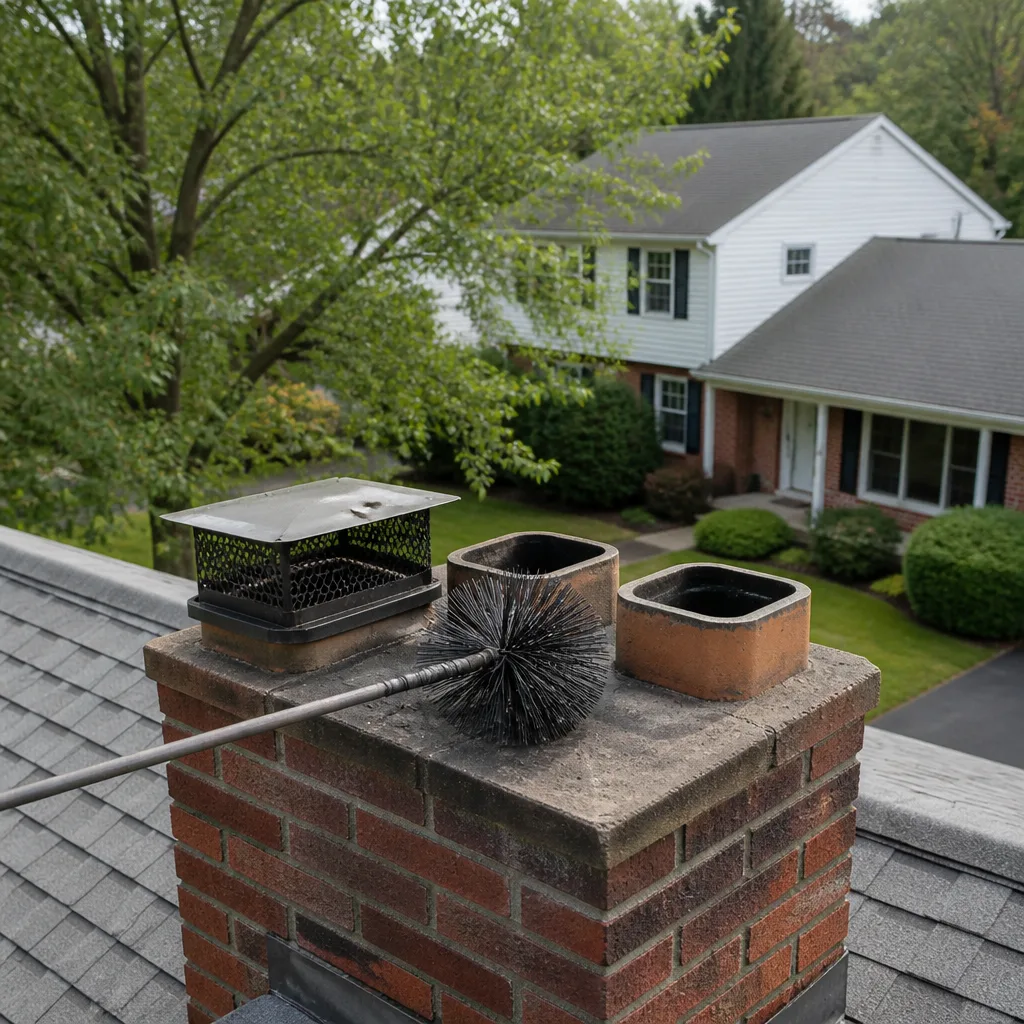 Sweep & inspection
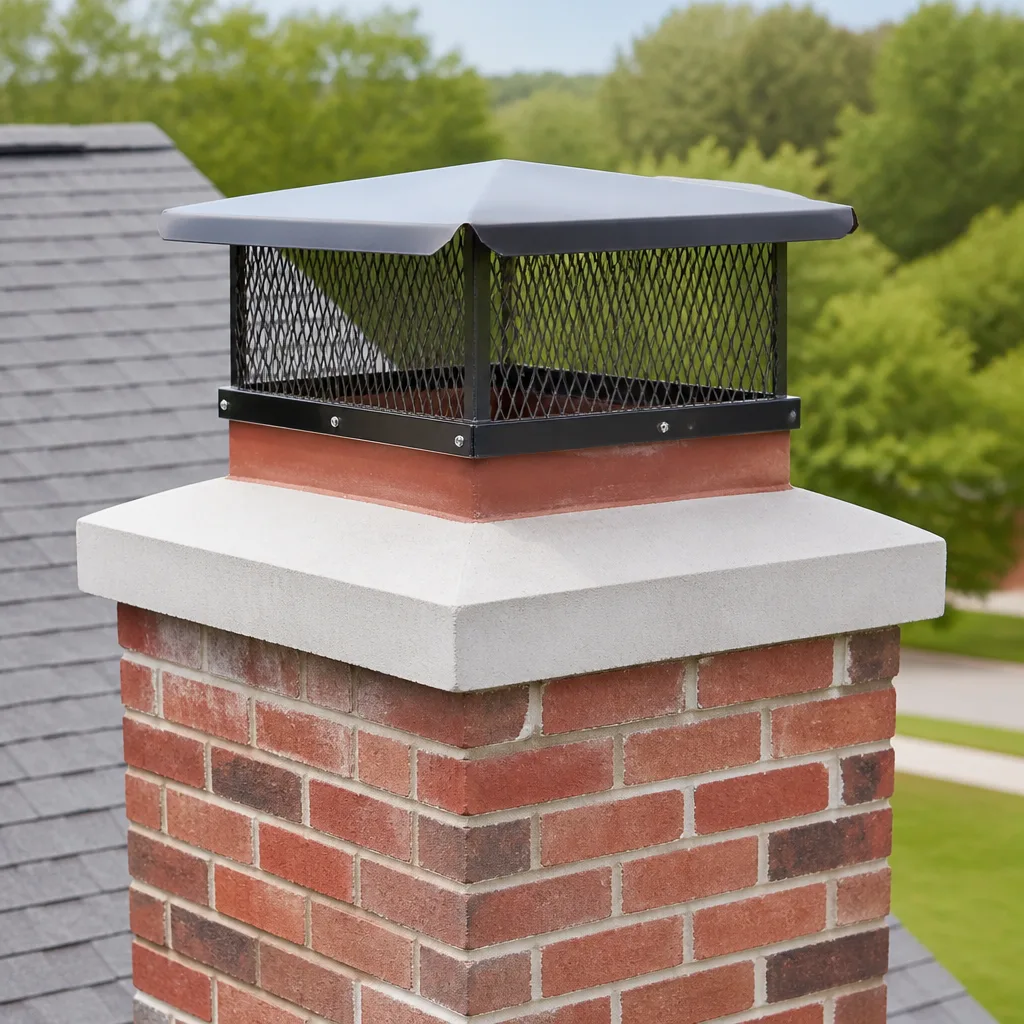 Caps & crowns
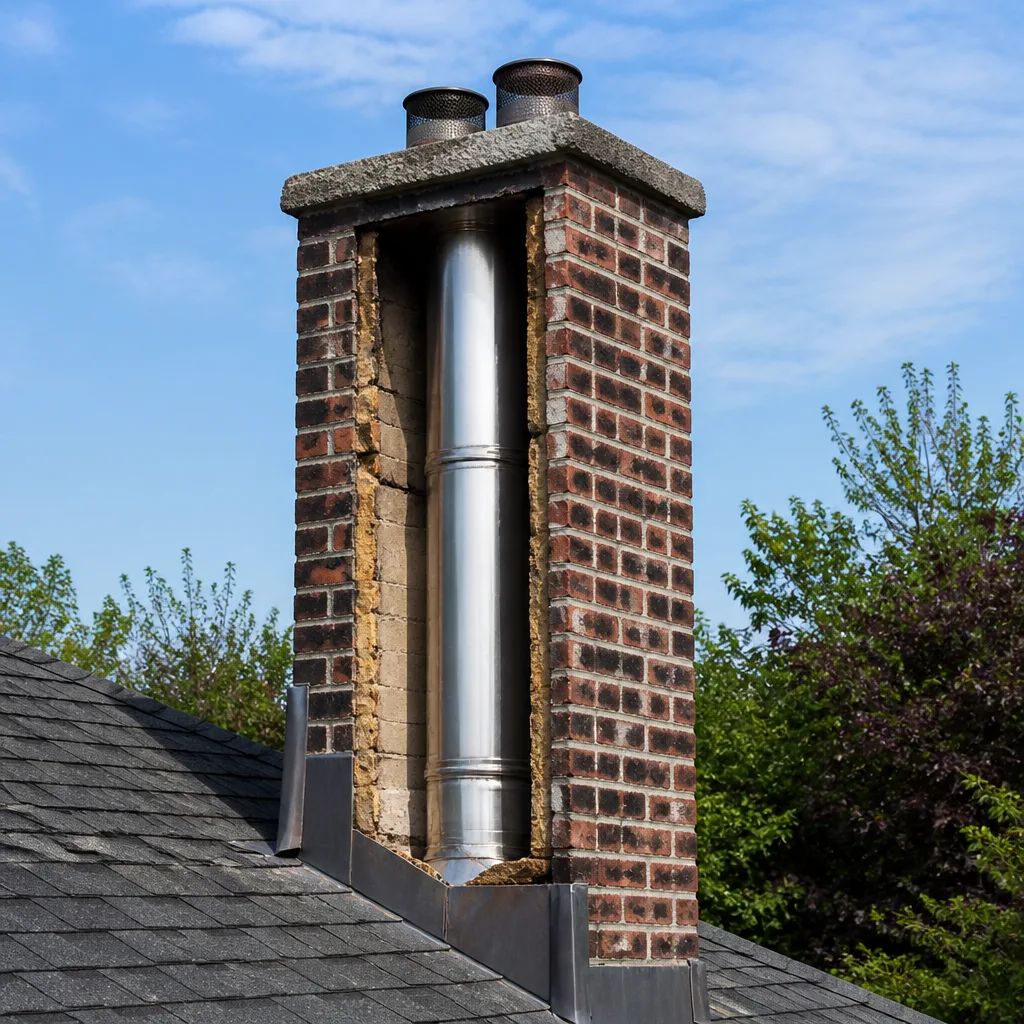 Flue relining
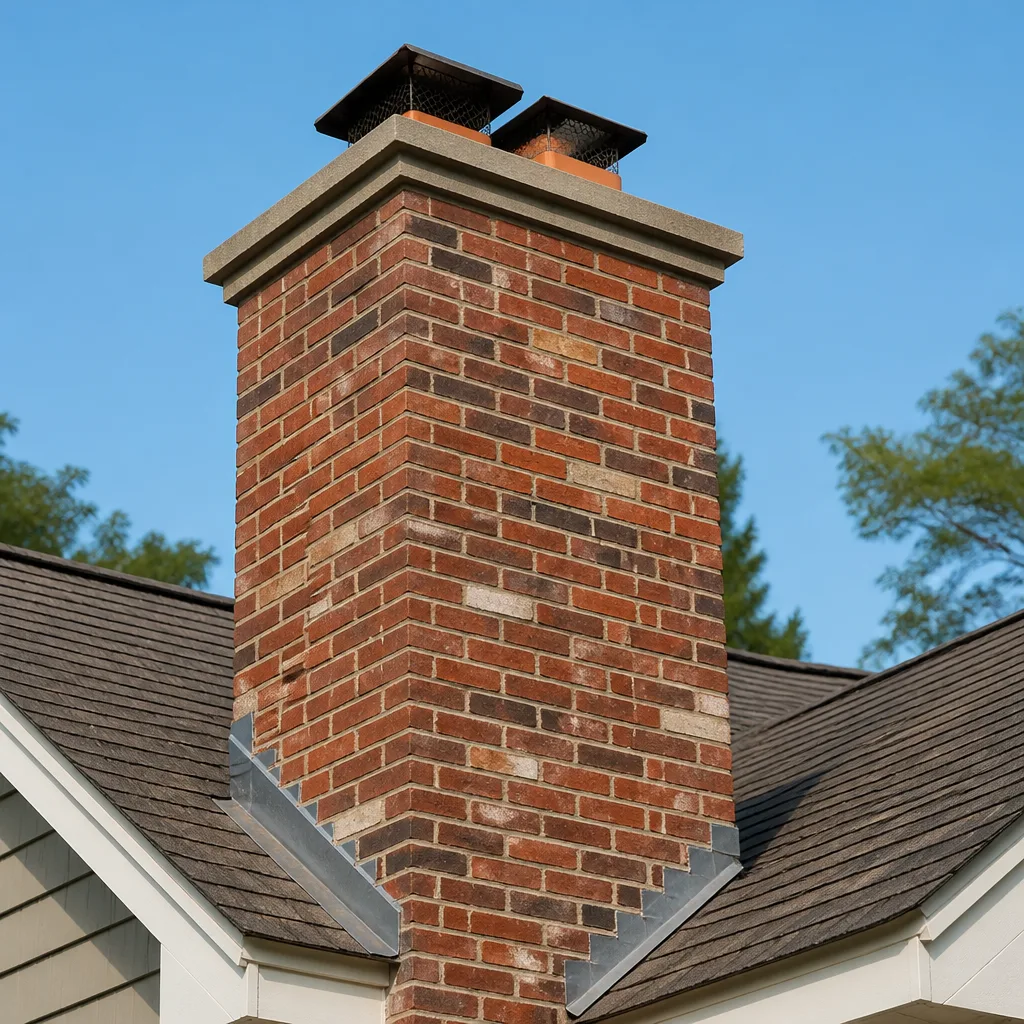 Masonry repair
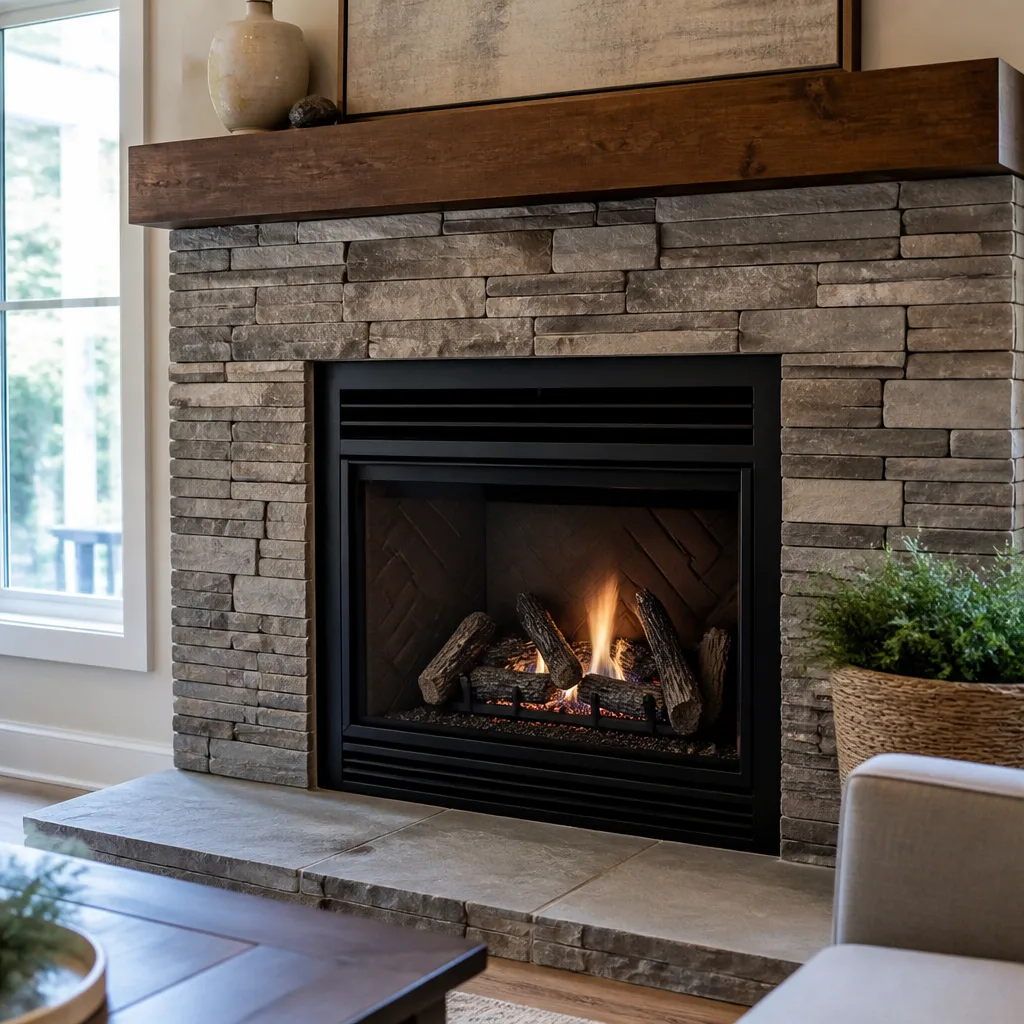 Gas fireplace service
Level 1 sweep and inspection to the NFPA 211 annual standard - flue, crown, cap, and flashing checked and photographed
Chimney sweep logs do not sweep chimneys. They loosen some creosote - which then falls where a brush and vacuum still have to collect it.
Choosing the Right Chimney Cleaning Brand: A Buyer’s Guide for Brea
Two chimney crowns get repaired in the same week in Brea. One is patched with a generic bag of hydraulic cement from the hardware aisle. The other gets an elastomeric crown coat built for sun and thermal movement. On day one, they look identical. After the first summer of UV exposure in Brea, the difference is obvious: the cement patch is hairline-cracked and chalking, while the coated crown is still holding its seal. The brand on the label is not a marketing detail. It decides how long the work lasts in this climate. Below, we break down which product categories actually matter in a chimney job, how to read a contractor’s answer when you ask what they’re applying, and what “professional-grade” really means in practice.
Styles & brands we work with
- Sweep & inspection
- Caps & crowns
- Flue relining
- Masonry repair
- Gas fireplace service
Quick Answer
The brand of cleaning and repair products matters because each category (creosote removers, crown coatings, flashing sealants, liner systems) is formulated for specific conditions, and Brea’s long UV season and warm thermal swings punish the wrong choice within a few summers. A chimney contractor who can name the exact product they’re applying, explain why it fits your flue, and show you the manufacturer’s application spec is a specialist. One who can’t is guessing. Ask the question before you book.
Table of Contents
- Why the Brand Behind the Brush Matters in Brea
- The Product Categories That Actually Matter
- Why Elastomeric Crown Coatings Beat Cement in Southern California
- Brush Wire Gauge, Rotary Systems, and Liner Safety
- Liner Systems: When DuraFlex and HeatShield Fit the Job
- How to Ask a Contractor What Brand They’re Using
- What “Professional-Grade Materials” Actually Means
- Common Mistakes to Avoid
- When to Call a Professional
- Frequently Asked Questions
- The Bottom Line
Why the Brand Behind the Brush Matters in Brea
Most homeowners think about chimney service in terms of labor: who shows up, what they do, what it costs. The product nearly always gets skipped over. That’s a mistake, because the labor is a one-day event and the material is what lives on your chimney for the next decade or more. In Brea, where summers run long and dry and the afternoon sun hits a south-facing chimney crown for months on end, formulation matters more than it would in a cloudy climate. A crown coat that stays flexible under UV is doing real work. A rigid cement patch of the same thickness is not.
The same logic runs through every category a chimney specialist touches:
- Creosote removers. Chemical sweep products differ in how aggressively they convert glazed creosote into a brushable powder. A weak formulation leaves the glaze behind. Over-applied, it can be harsh on metal liners. Professional products are dosed by flue size and stage of creosote, not poured in blind.
- Crown coatings. Elastomeric coats bridge hairline cracks and move with the masonry. Cement-based repairs sit rigid and crack again at the same seam.
- Flashing sealants. Roof-to-chimney flashing needs a sealant that holds through repeated thermal expansion without turning brittle. Polyurethane-based products outlast basic silicone in a Brea summer.
- Liner systems. Flexible stainless liners like DuraFlex are rated for the flue geometry and appliance they serve. Resurfacing systems like HeatShield cast a new structural layer inside an existing flue when a full liner isn’t the right call.
None of this is about brand prestige. It’s about whether the product was engineered for the conditions it will actually face. That’s why we use the material stack we do, and why we name it when we quote a job: chimney repair work should be traceable to a product with an application spec, a cure time, and a manufacturer standing behind it.
The Product Categories That Actually Matter
A chimney call usually touches one or more of four product families. Each has professional-grade and consumer-grade versions, and the gap between them is not cosmetic.
1. Creosote Removers
Creosote builds in three stages, and only the first two respond reliably to a brush alone. Stage-three glazed creosote needs a chemical sweep product that softens the deposit before mechanical removal. Professional products are matched to the flue’s condition and used at the dose the manufacturer specifies. Consumer spray-on products sold for “fireplace maintenance” are too mild for glazed deposits and can leave the homeowner thinking the flue is cleaner than it is.
2. Crown Coatings
The crown is the concrete cap on top of the chimney that sheds water away from the flue. Cracks in the crown let water in, and water is what drives most of the slow structural damage we see. Coatings like CrownSeal and products from Saver Systems are formulated to stay elastic. Cement-based “repairs” set hard and re-crack. We treat crown work as its own category because that’s what it is.
3. Flashing Sealants
Flashing is the metal interface where the chimney meets the roof. It fails quietly: a small gap lets water track down into the attic or ceiling. The right sealant has to flex with the roof through thermal cycling without losing adhesion. Polyurethane sealants are the professional baseline; silicone has its place but loses elasticity faster in sustained heat.
4. Liner Systems
Liners either get replaced or resurfaced. Flexible stainless systems like DuraFlex are for retrofits and irregular flues where a rigid liner won’t pass. HeatShield is a cast-in-place resurfacing system for masonry flues that are structurally sound but have cracked or eroded interiors. The right answer depends on the flue, not on what the contractor prefers to sell. A specialist carries both options.
Every category above has a professional-grade product and a hardware-store imitator. The difference is not price alone. It’s the application method, the cure schedule, and whether the manufacturer will back the result if something fails.
Why Elastomeric Crown Coatings Beat Cement in Southern California
Here’s the counterintuitive part: the cement patch is the more “traditional” repair, and it fails faster. The reason is thermal expansion. Masonry moves with heat, and in Brea a chimney crown can swing through a wide temperature range in a single day, then get baked by direct sun through the summer. A rigid cement patch has no give. When the masonry beneath it moves, the patch cracks along the same seam it was meant to seal. The next rain finds the crack and the cycle repeats.
Elastomeric crown coatings are built for exactly this. They stay flexible enough to bridge micro-movements without splitting, and they resist UV degradation that turns basic sealants chalky. That’s why we standardize on products like CrownSeal and the Saver Systems line for crown work in Brea, rather than mixing up a bag of cement.
What to check when a contractor proposes a crown repair
- Ask for the product name. If the answer is “just a crown coat” or “cement,” that’s a signal. A specialist names the product and the manufacturer.
- Ask about elasticity. Any crown coat worth its price is elastomeric. Cement is not.
- Ask how the crown will be prepared. Coating over a dirty or damp crown fails. The surface has to be cleaned and keyed first.
- Ask about cure time. Some coatings need a specific temperature window and drying period. A contractor who skips this step is setting up an early failure.
- Ask what happens if the crown is structurally compromised. Coatings fix cracks, not collapsed crowns. A specialist will say so.
Chimney cap and crown work is one of the categories where the brand difference shows within a couple of years. It’s also the category most often skipped by sweep-only operators. That gap is why we treat cap and crown as a core service rather than an upsell: the crown is one of the few parts of a chimney that can fail without anyone noticing until water is already inside the house.
Brush Wire Gauge, Rotary Systems, and Liner Safety
The brush and rotary system a chimney sweep uses are cleaning products too, and the wire gauge is not a trivial choice. A brush that’s too stiff for a stainless liner can score or abrade the interior over repeated cleanings. A brush that’s too soft leaves the creosote behind. The correct gauge depends on the liner material, the flue size, and the deposit type.
Professional rotary systems pair a specific brush head with a flexible rod and a controlled motor. Consumer tools sold for homeowner use tend to be underpowered and less controllable. They’re not dangerous, but they don’t reliably remove the deposit that matters. The AA-CSIA publishes a three-tier evaluation standard that uses professional equipment to determine a flue’s condition after cleaning, and that standard is what a lot of insurers and municipalities point to.
How to evaluate a rotary cleaning system
- Match the head to the liner. Poly brushes for stainless; wire for masonry restoration only when appropriate.
- Control the speed. Too fast and the head whips and abrades. Too slow and it skips the glaze line.
- Inspect after cleaning, not just before. The camera check post-clean is what confirms the flue is actually clear.
- Document with photos. Before and after photos of the flue interior are the only evidence a homeowner can verify for themselves.
When we set up a chimney sweep in Brea, the goal is a clean flue and a documented condition, not a fuzzy claim that “everything looks good.” The brush and the camera report go together. If the technician can’t tell you what head they used and why, the cleaning isn’t being done to a professional standard.
Liner Systems: When DuraFlex and HeatShield Fit the Job
A reliner is one of the biggest line items in chimney work, and the brand question here has real money attached. There are two fundamentally different paths, and the right one depends on the flue.
- DuraFlex flexible stainless liners. These are for retrofits and irregular flues where a rigid liner won’t make the bends or fit the footprint. DuraFlex systems are rated for the appliance they serve and the flue geometry they have to pass. For older homes in Brea where the flue may not match modern standards, a flexible liner is often the only way to get a proper liner installed without major masonry work.
- HeatShield liner resurfacing. This is a cast-in-place system that builds a new structural layer inside a masonry flue that’s structurally sound but has cracked or eroded mortar joints. It extends the chimney’s usable life without the cost of a full liner replacement in the right conditions.
HeatShield is a less-common capability. Not every chimney contractor offers it, and some who do push it whether or not it fits. The honest answer is that resurfacing works only when the flue is otherwise stable. A flue with serious structural compromise needs a liner, not a coat. A flue with minor joint cracking may be a good candidate for resurfacing, and the cost difference is meaningful.
How to evaluate a proposed reliner or resurfacing
- Ask to see the camera footage. Before the recommendation, not after. Any liner job should be traceable to what the camera showed.
- Ask which system and why. DuraFlex for a retrofit with bends; HeatShield for a stable masonry flue with interior erosion. If the answer doesn’t match the flue, the sale is wrong.
- Ask what happens if you wait. Some liner work is urgent. Some can safely be scheduled for later. Any honest contractor will tell you which category your job is in.
- Ask about the manufacturer warranty and the application spec. Professional systems carry job-specific documentation. Get it in writing.
We offer both DuraFlex and HeatShield because the fit-for-purpose question should lead, not the sales pitch. If a resurfacing serves your flue better than a full liner, that’s the recommendation. If the flue won’t support resurfacing, we’ll say so and explain why.
How to Ask a Contractor What Brand They’re Using
The single best question you can ask a chimney contractor is also the simplest: “What brand of product are you applying, and why that one?” The answer tells you more than any marketing page. A specialist answers with a name, an application reason, and a sense of what alternatives exist. A generalist either names a hardware-store brand or hedges. A sweep-only operator changes the subject. Any of those third answers is a cue to keep calling.
Sample questions that separate specialists from sweep-only operators
- “What brand of crown coating do you use, and why that one instead of cement?” A specialist names the product and explains elasticity and UV resistance.
- “Do you offer HeatShield, and when do you recommend it over a full liner?” The word “when” is the test. A specialist explains the conditions. A salesperson says “always.”
- “What rotary brush head do you use on a stainless liner?” A specialist answers with a material and a gauge. A generalist looks confused.
- “What’s on the estimate besides labor?” A specialist itemizes materials by brand. A generalist lumps them into “materials.”
- “Will you show me the camera footage from before the repair?” A specialist says yes without hesitation. Anything else is a red flag.
You’re not trying to interrogate anyone. You’re checking whether the person on the phone knows the tools of their trade. When we scope fireplace repair in Brea, the product names come up because they’re what we actually use. If a contractor can’t say the same, they’re selling labor without material expertise.
What “Professional-Grade Materials” Actually Means
“Professional-grade” gets thrown around loosely. In chimney work, it should mean four things, and if any of them is missing, the label is marketing rather than substance.
1. Application method
Professional products have a manufacturer-specified application method: surface prep, primer, thickness, tooling, cure. A cement patch has no spec. A CrownSeal or Saver Systems coat does. Same for HeatShield and DuraFlex. The method is the reason the material performs, and it’s what separates a professional install from a homeowner repair.
2. Cure time and conditions
Every professional coating and cast-in-place system has a cure window. Ambient temperature, humidity, and surface moisture affect the result. Brea’s dry, warm climate is generally favorable, but the contractor still has to respect the manufacturer’s window. A crew that coats and runs is not doing professional-grade work, whatever the label says.
3. Warranty backing
Professional products come with manufacturer warranties that carry specific conditions. A liner system usually has a multi-part warranty covering material and installation separately. Consumer hardware-store coatings rarely carry anything resembling that. Ask for the manufacturer documentation before the work starts.
4. Traceability to a product spec
A real professional-grade material can be looked up, and its spec sheet read. If the contractor can’t produce the product name and spec, there’s no way for you to verify what went on your chimney. That’s not a professional install, no matter how it’s described.
We work with Copperfield, DuraFlex, HeatShield, Gelco, Olympia Chimney and Famco because these brands come with the four criteria above. Each one has a spec sheet, an application standard, and a manufacturer behind the warranty. That’s the whole point of using a name-brand stack rather than a generic bucket of “crown coat” from the hardware aisle.
Common Mistakes to Avoid
- Judging a crown repair on day one. Cement and elastomeric coatings look identical for the first few months. Judge the repair after a UV season, not on install day.
- Accepting a chemical sweep without a dosage context. Creosote removers work by stage and flue size. A product applied blind either under-treats glazed creosote or is harsher than needed on the liner.
- Letting a sweep-only contractor upsell liner work without camera evidence. In Brea, this is the number-one trust issue. If the recommendation isn’t backed by footage you can see, don’t book it.
- Assuming a hardware-store crown coat is equivalent to a professional elastomeric. They’re not in the same category. The cost difference is small compared to the difference in lifespan.
- Skipping the post-clean camera inspection. Cleaning without verifying the result is half a job. Ask for before-and-after footage.
- Choosing a contractor on price alone. The cheapest quote often uses the cheapest materials. The reliner that lasts is the one with the spec sheet, not the one with the lowest number.
- Ignoring the flashing. Crown and flashing work together. A perfect crown with failed flashing still leaks. Make sure both are in scope.
When to Call a Professional
Some chimney issues can wait a season. Others can’t. Call us when you see visible cracking in the chimney crown or the masonry above the roofline, when smoke pushes back into the room instead of drafting up, when you hear animals or see signs of nesting in the flue, or when it’s been more than a year since the last cleaning on a fireplace you actually use. Deposit buildup and drafting problems don’t fix themselves, and the deferral cost is almost always higher than the repair. If you’ve just bought an older home in Brea with a fireplace nobody has documented, an inspection is the first step, not a cleaning.
Chimney Sweep Brea offers free estimates in Brea. We look at the flue with a camera, name the products we’d use, and tell you what can wait. Call (877) 792-7505. We answer 24/7. Fast dispatch from 7am to 7pm, Sunday through Friday.
Frequently Asked Questions
Yes, because the product determines how long the work holds up in Brea’s climate. Creosote removers, crown coatings, flashing sealants, and liner systems all have professional-grade and consumer-grade versions, and the differences show up within a few summers. Ask any contractor what brand they’re applying and why, and see whether the answer is specific. If it isn’t, call (877) 792-7505 for an exact quote from us instead.
An elastomeric crown coat stays flexible and bridges micro-cracks as the masonry moves, while a cement patch sets rigid and re-cracks along the same seam. In Brea, where the chimney crown sees sustained UV and daily thermal swings, the difference shows by the second summer. Crown work is one of the categories where the material choice is most consequential. Call (877) 792-7505 to get a free estimate on your crown.
It depends on the flue, not on the sales pitch. HeatShield is a good fit for a structurally sound masonry flue with interior joint cracking or erosion. A DuraFlex flexible liner is the right answer for irregular flues, retrofits, and flues with actual structural compromise. Any recommendation should be backed by before-work camera footage you can see. Call (877) 792-7505 and we’ll show you exactly what’s in your flue.
Once a year for a fireplace in regular use, per the NFPA 211 standard. If you burn heavily through the cool months, or if the fireplace has been unused for a while, an inspection before the first fire of the season is the right starting point. A yearly visit catches cracking and cap damage before they turn into water intrusion. Call (877) 792-7505 for a free estimate and a condition report.
Two things, roughly. Creosote builds to a stage where a brush alone can’t remove it, which means a chemical sweep and often a longer job. And small problems that would have been a simple crown coat become flashing repairs, masonry work, or a reliner. Both outcomes are more expensive than the cleaning would have been. Call (877) 792-7505 to book a quiet inspection before the season starts.
A specialist names the product for each category: DuraFlex for flexible stainless liner retrofits, HeatShield for cast-in-place masonry resurfacing, Copperfield or Olympia Chimney for caps and related components, Gelco or Famco for specific repair materials, and Saver Systems or CrownSeal for elastomeric crown coatings. We use that stack because each one comes with an application spec and a manufacturer warranty. Call (877) 792-7505 and we’ll walk through which products fit your chimney.
The Bottom Line
The material is the job. The labor is a one-day event; the crown coat, the liner, the flashing seal, and the brush are what carry the work through Brea’s long UV summers and dry thermal swings. Ask any contractor what brand they’re applying, why that brand, and how they’ll document the condition with camera footage before and after. If the answers are specific, the work will hold. If they’re vague, the work won’t, no matter how good the price looks on the estimate. That’s the whole guide in one line: the label on the can tells you whether the repair will outlast the season.
Chimney Sweep Brea handles the full arc of it: sweep, fireplace repair, chimney repair, inspection, and cap and crown, with a professional material stack and a single point of accountability. We can work with your insurer when a claim is part of the picture, and nothing is recommended without camera evidence you can see for yourself. Call (877) 792-7505 for a free estimate. We answer 24/7. Fast dispatch from 7am to 7pm, Sunday through Friday.
You can start with a Chimney Sweep Brea visit for the cleaning and inspection, and we’ll tell you plainly what can wait and what can’t.
Written by the team at Chimney Sweep Brea.
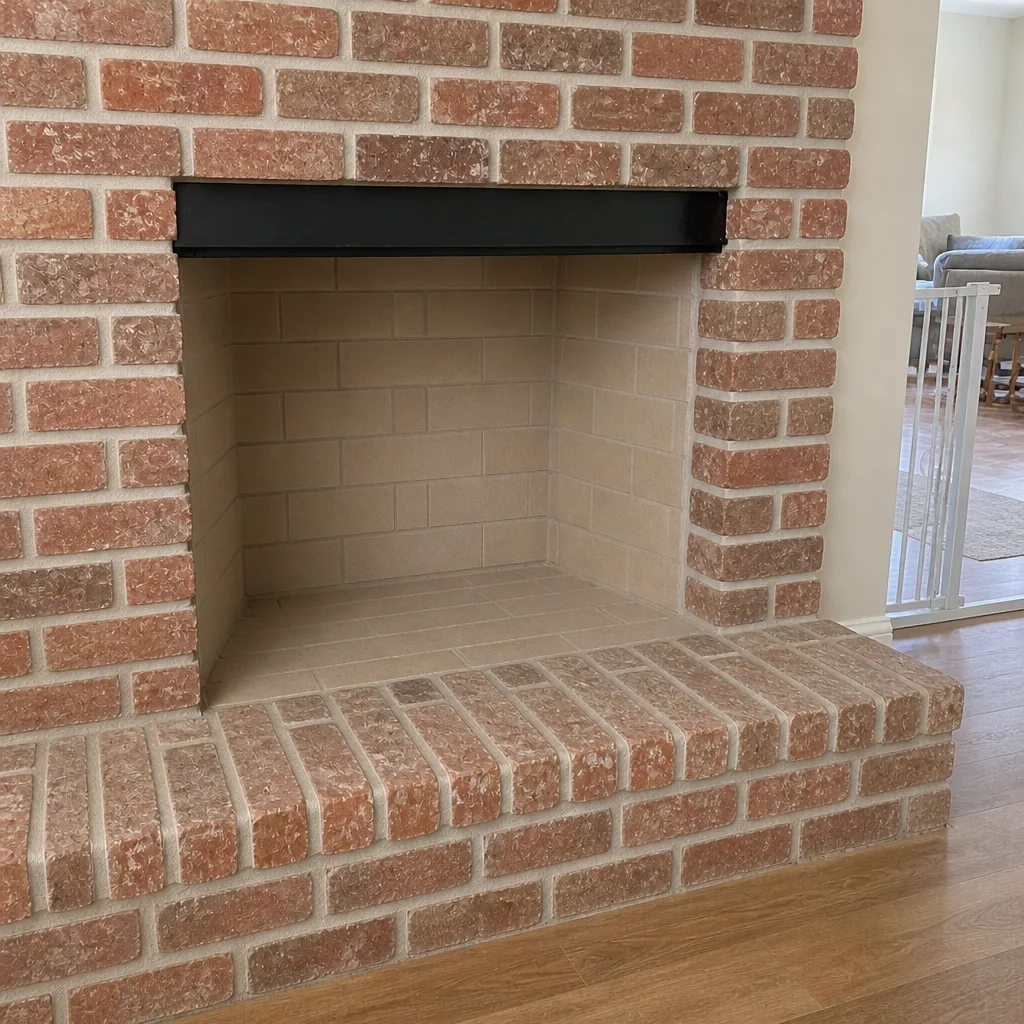
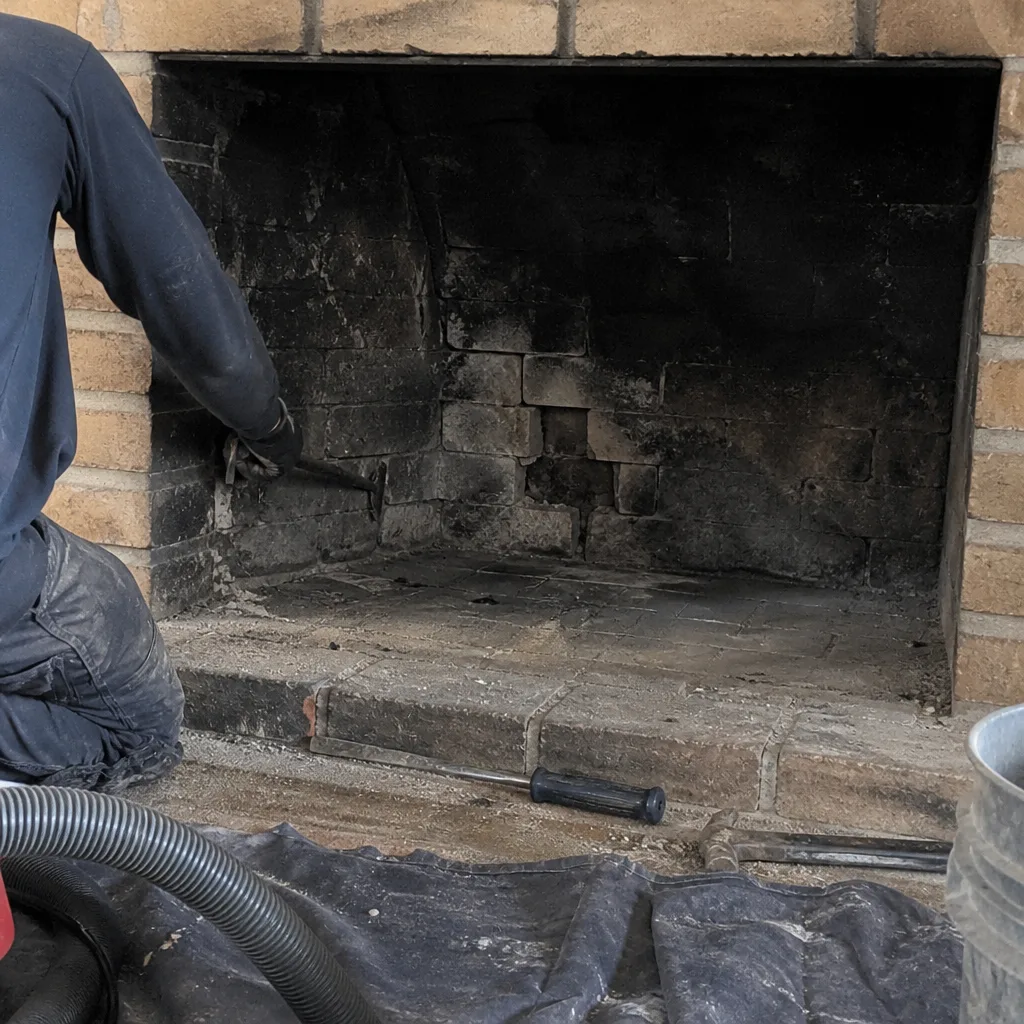
See the difference
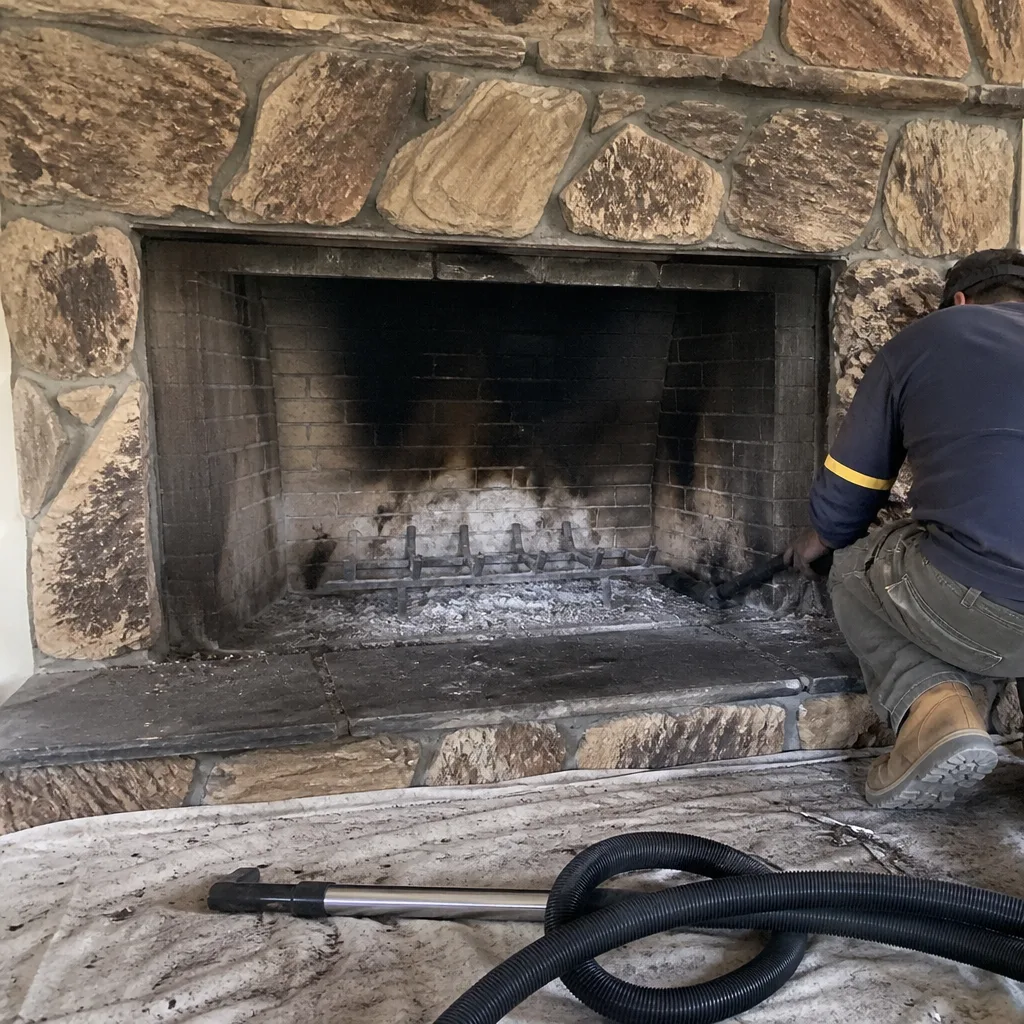 Before
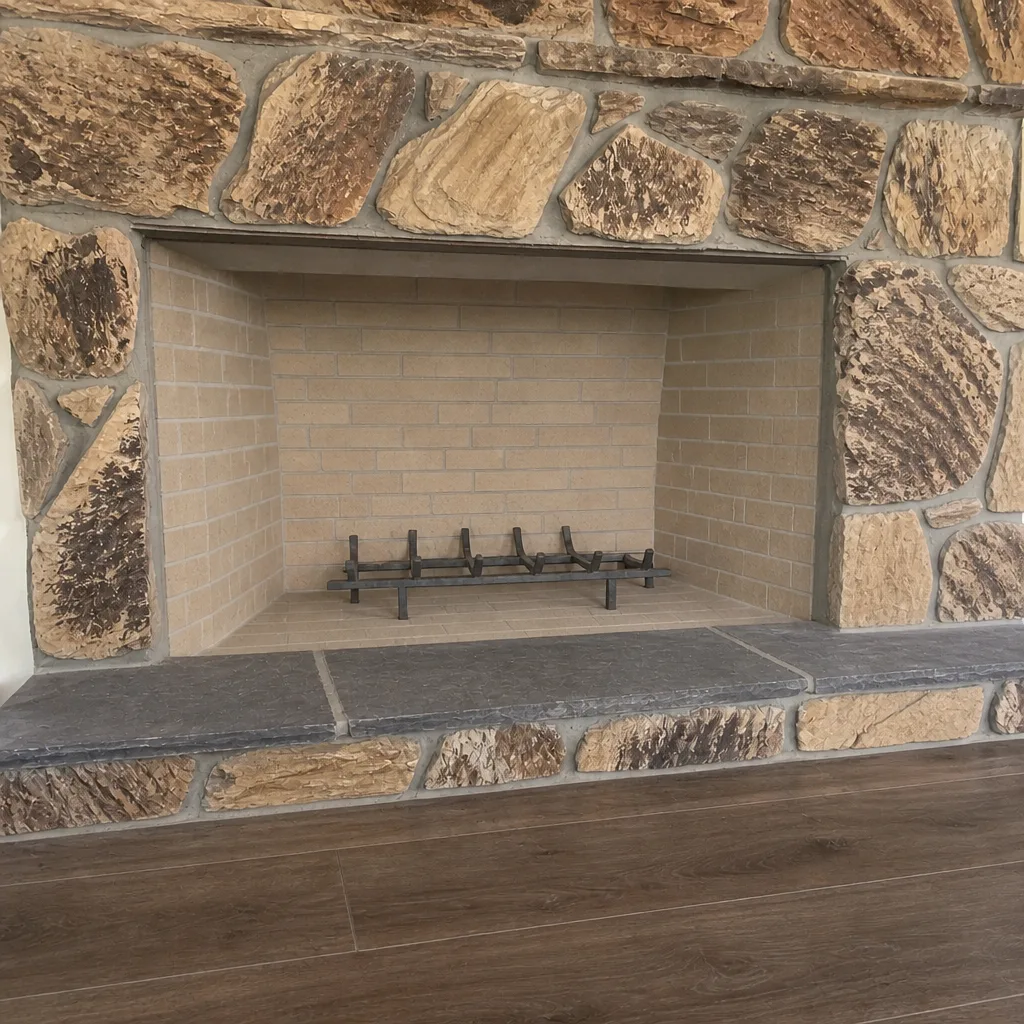 After
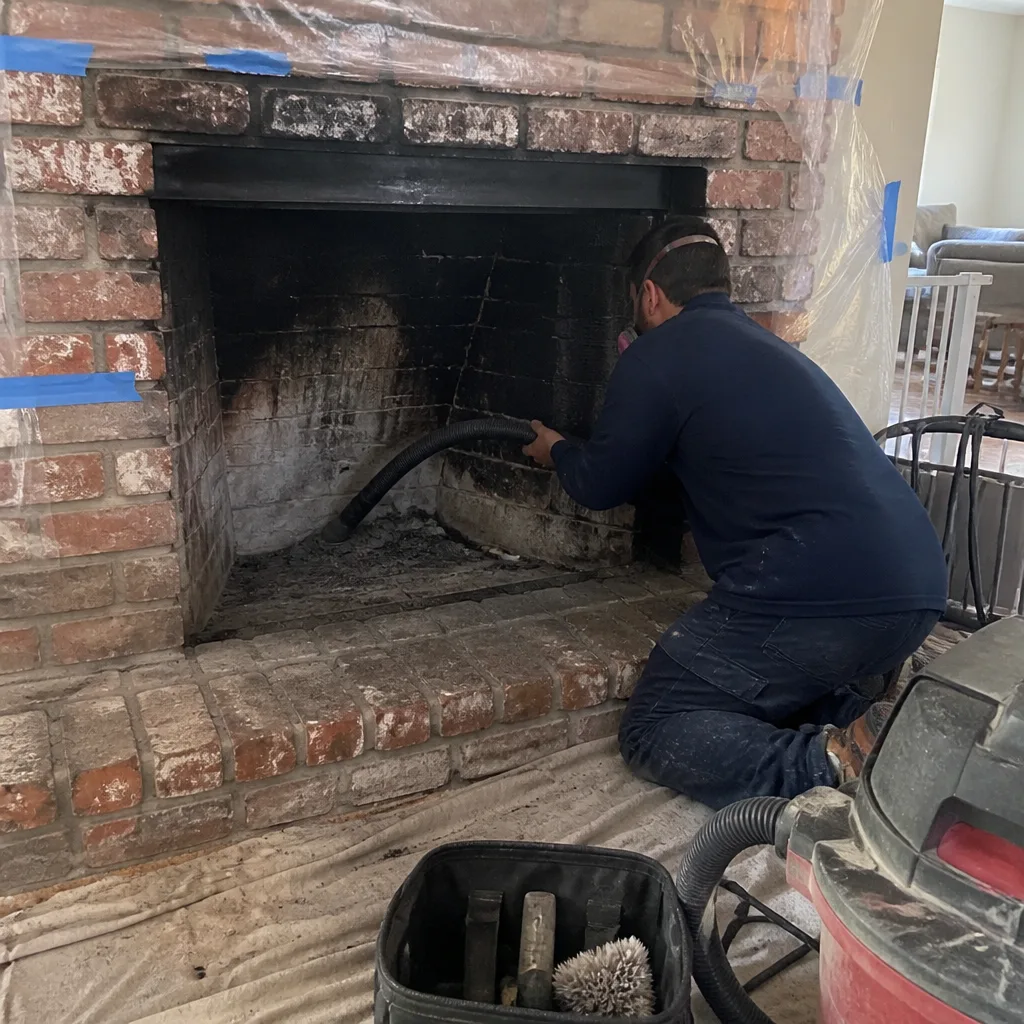 Before
 After
 Before
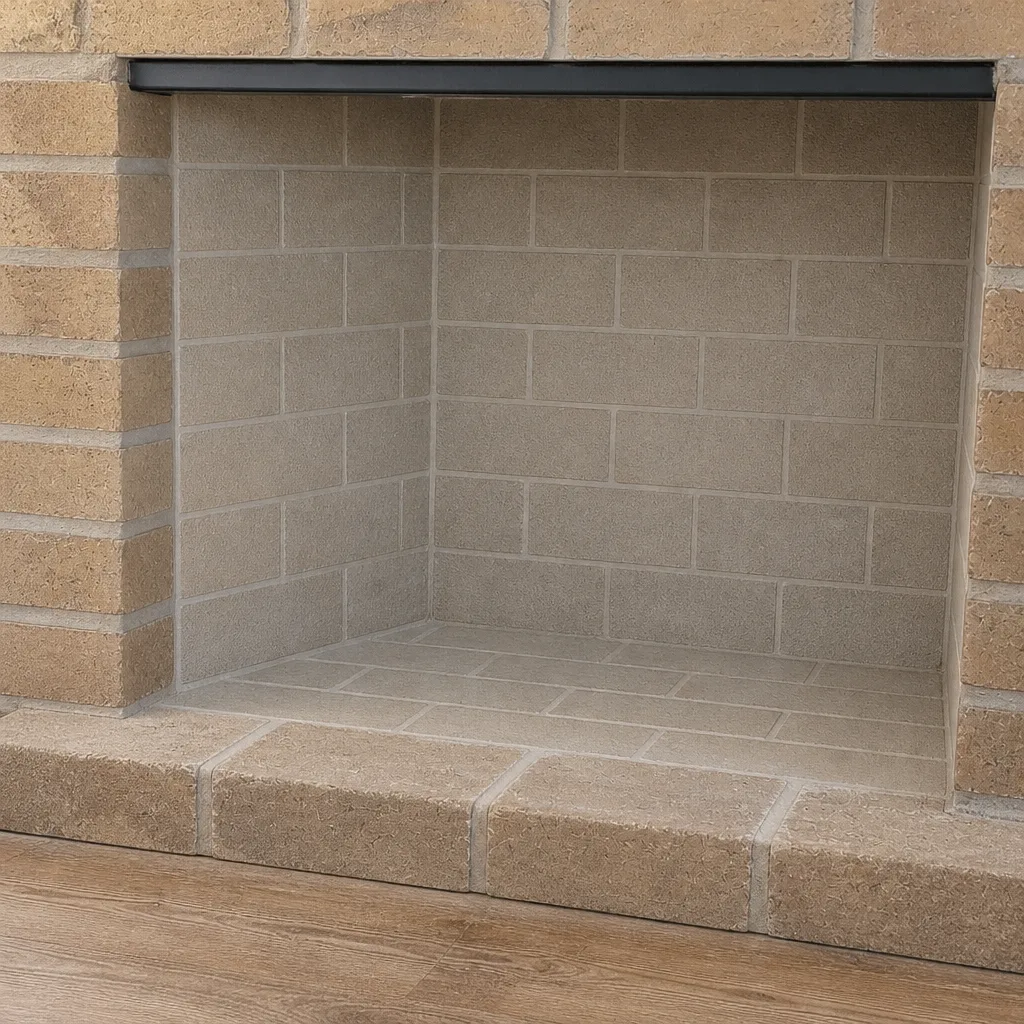 After