
Last updated November 25, 2026
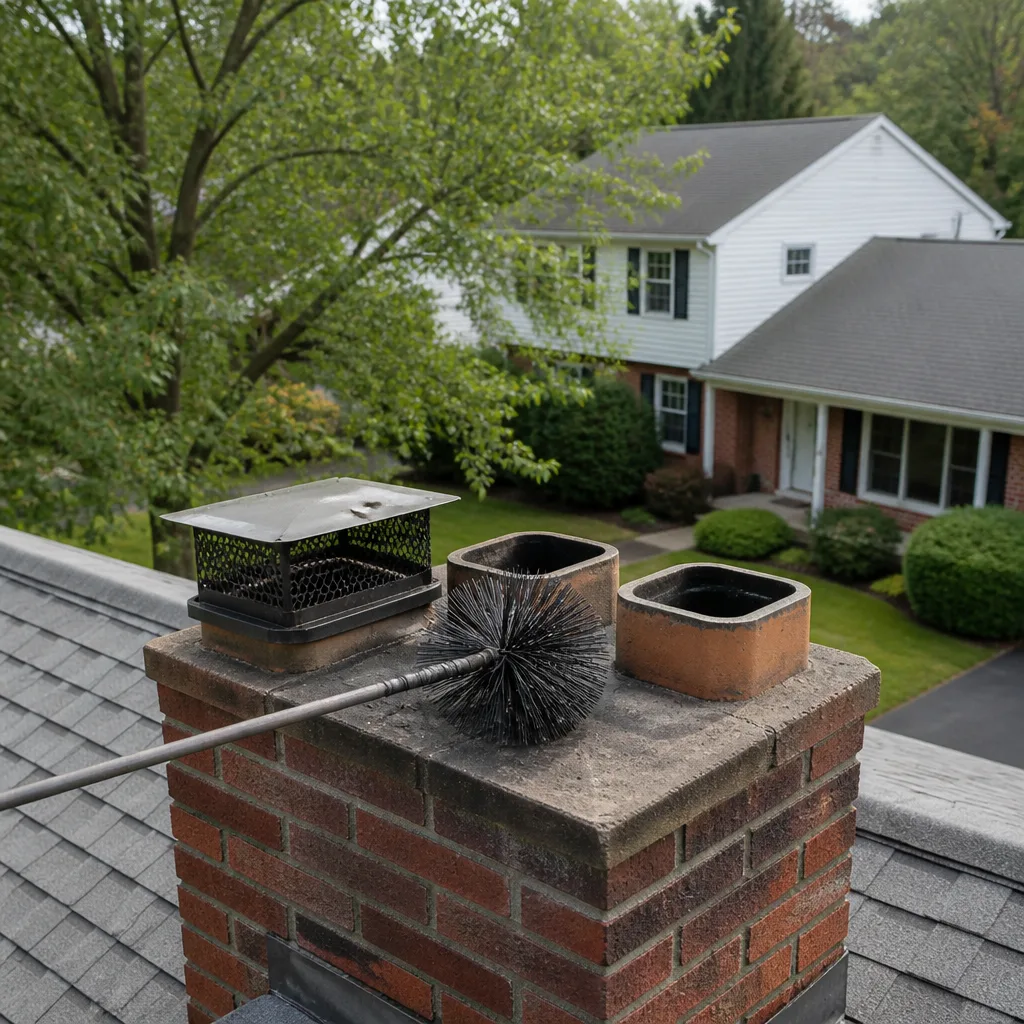 Sweep & inspection
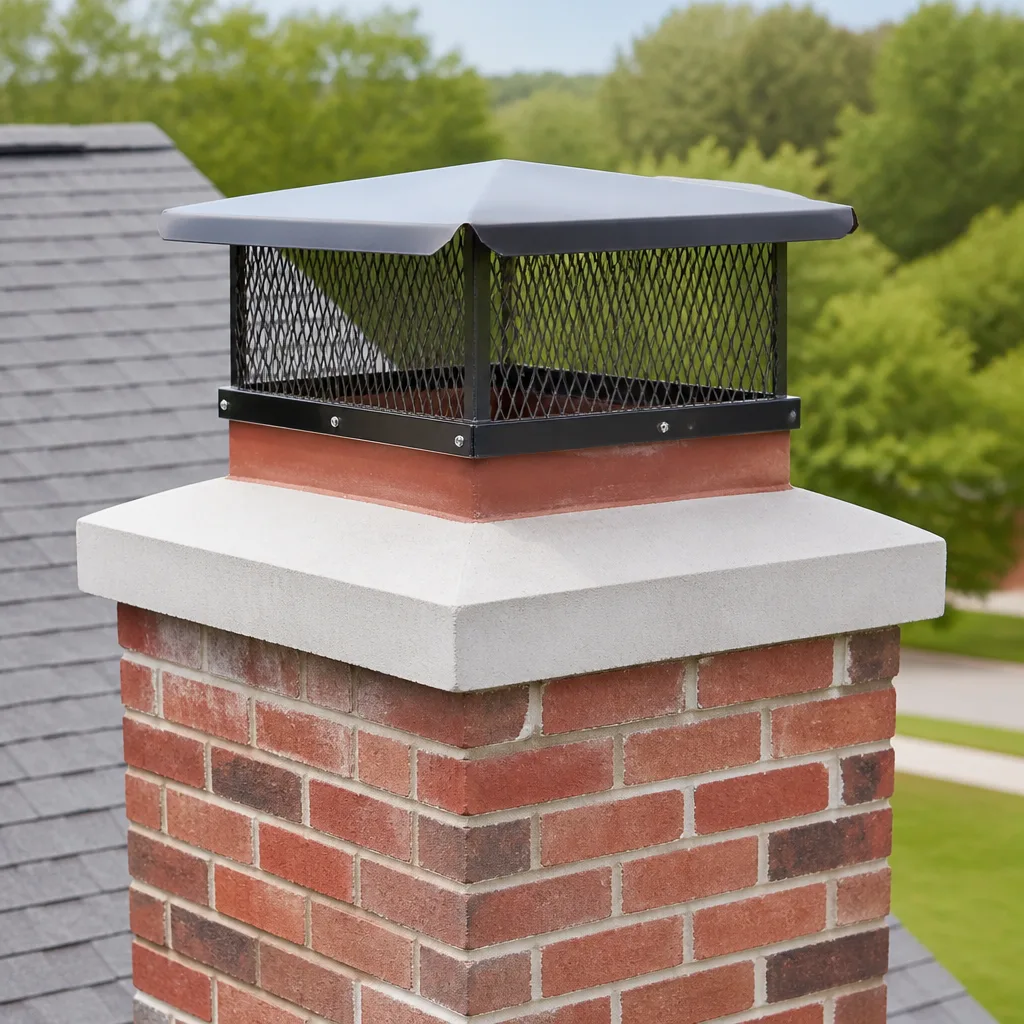 Caps & crowns
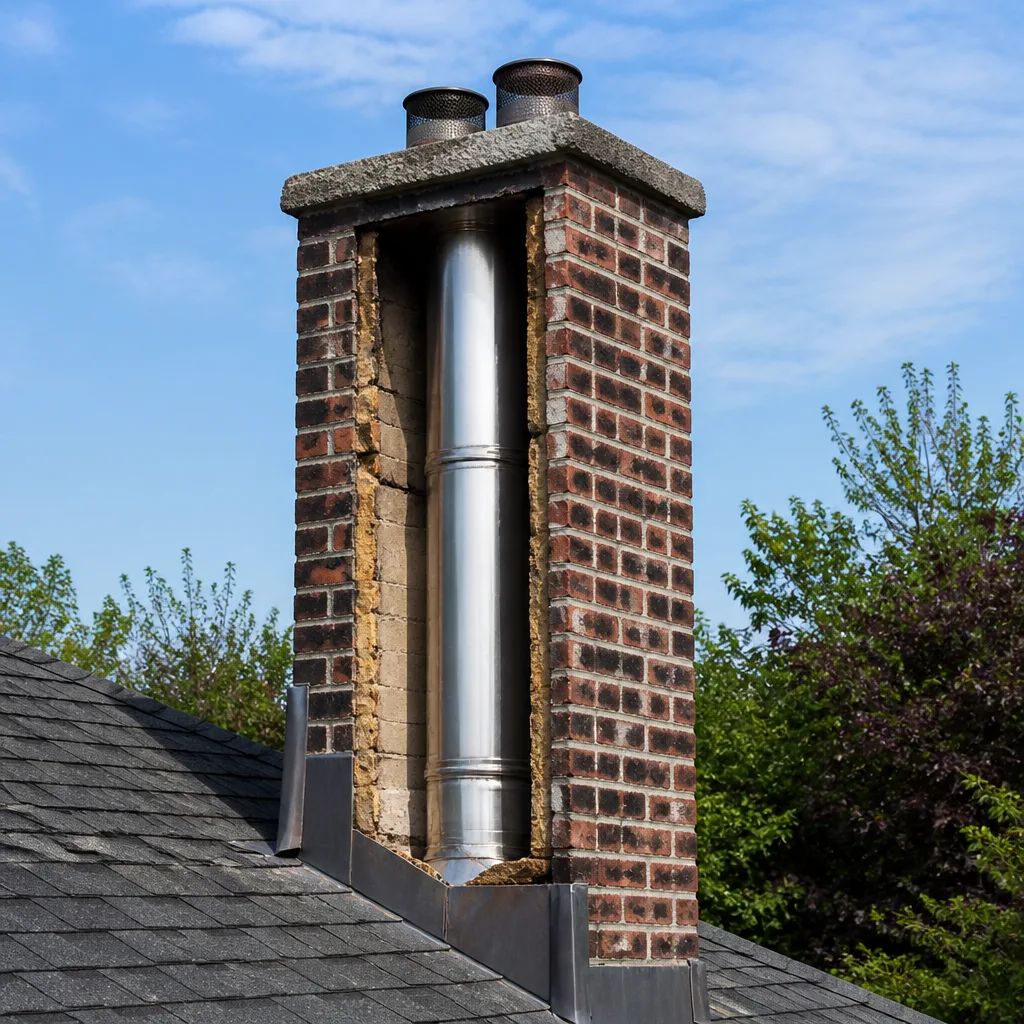 Flue relining
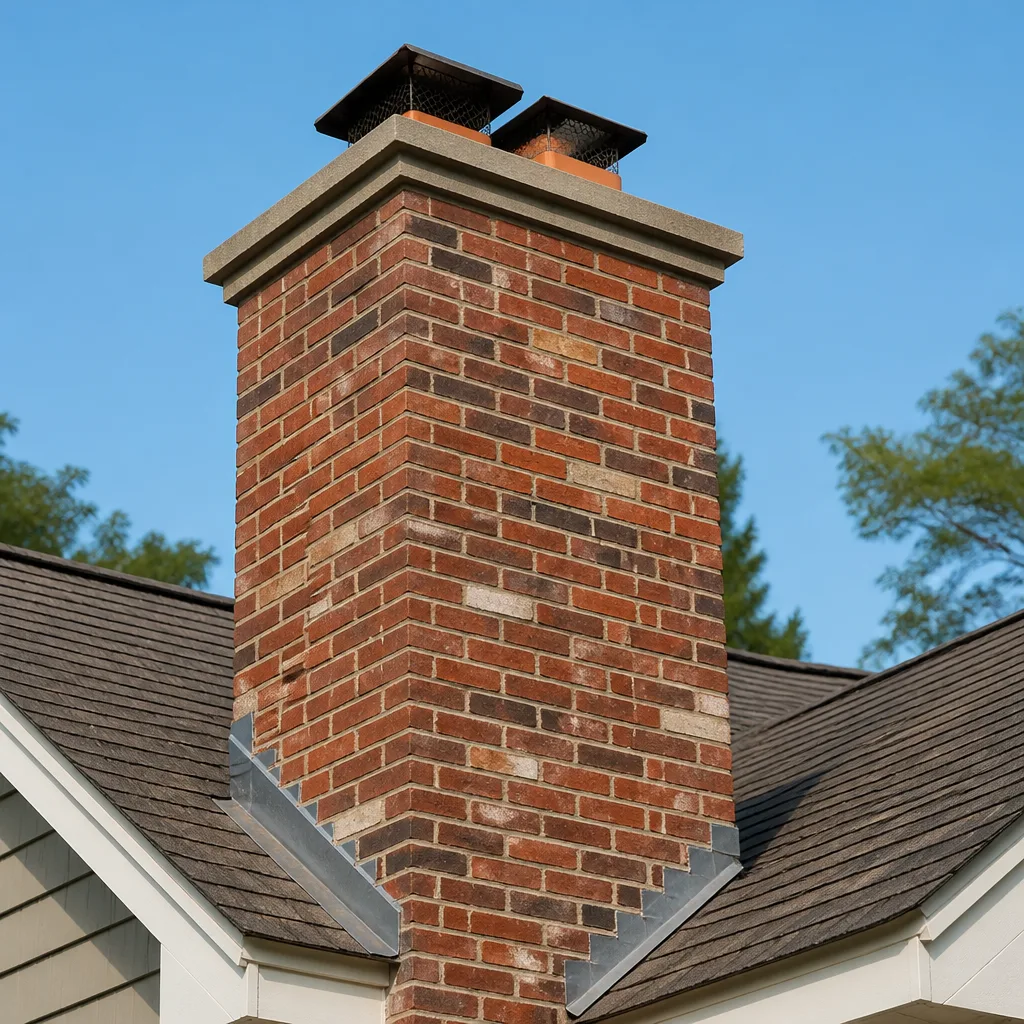 Masonry repair
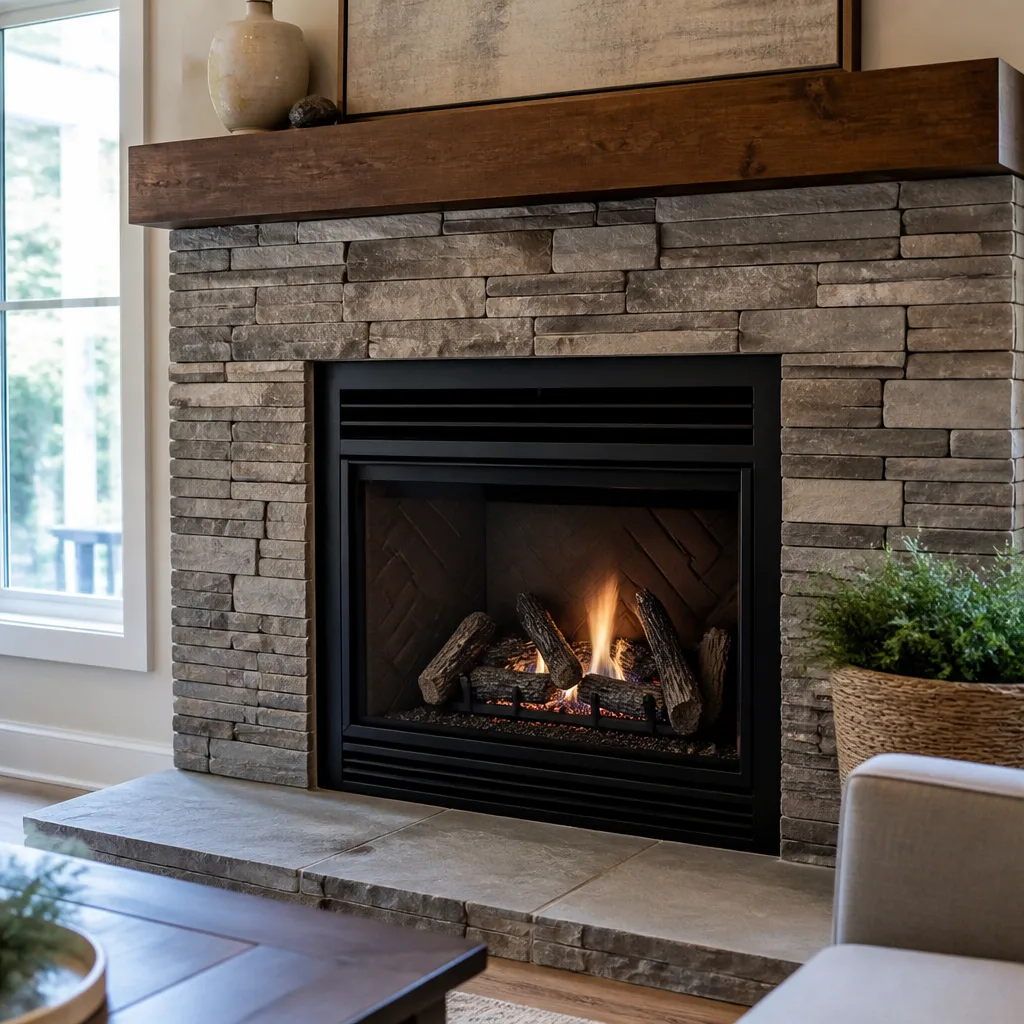 Gas fireplace service
Level 1 sweep and inspection to the NFPA 211 annual standard - flue, crown, cap, and flashing checked and photographed
Chimney sweep logs do not sweep chimneys. They loosen some creosote - which then falls where a brush and vacuum still have to collect it.
DIY vs Professional Chimney Cleaning: The Brea Homeowner’s Decision Guide
Here’s the part most tutorials skip: the brush and rod kit on the shelf at a big-box store cleans the flue walls. It does not inspect them. In Brea, where most fireplaces see a fire on a cool evening rather than a full winter of daily burning, the dangerous things tend to be what you can’t see from the hearth: stage 2 glazed creosote baked onto the flue, or a cracked tile liner section hidden behind an offset. This guide draws an honest line between what a careful homeowner can safely handle and where DIY chimney work starts creating real risk, with local costs and local specifics.
Quick Answer
DIY chimney cleaning in Brea is realistic for light surface soot on a lightly used flue if you have the right rods, a proper brush and a true HEPA vacuum, but it cannot replace a professional inspection. The reason is simple: a brush removes what’s on the wall, while an inspection tells you whether the flue is sound, how advanced the creosote is, and whether the liner has failed. The cleaning is the easy half. The assessment is the part that keeps your house safe, and that requires a camera, trained eyes and the right equipment.
Styles & brands we work with
- Sweep & inspection
- Caps & crowns
- Flue relining
- Masonry repair
- Gas fireplace service
Table of Contents
- What a Brea homeowner can honestly do themselves
- Why the inspection can’t be replicated at home
- The containment problem: fine particulate in your living room
- Liability and insurance when DIY work goes wrong
- A cost-honest comparison: what you save vs. what you accept
- Creosote stages and why Brea’s mild winters matter
- When it’s time to call a professional
- Frequently asked questions
What a Brea Homeowner Can Honestly Do Themselves
There’s a real list of tasks a careful homeowner can do without touching the flue. They’re mostly visual and mechanical: looking at things, testing things, clearing what’s loose and reachable. None of them involve climbing onto a roof or working inside the flue. Here’s the honest short list:
- Cap inspection from the ground. Use binoculars to look at the chimney cap and spark arrestor. Check that the cap is intact, the screen mesh isn’t torn, and there’s no visible rust-through, sagging or bird nesting. A missing or damaged cap is the single most common entry point for water, animals and debris in Brea homes.
- Damper function check. Open and close the damper by hand. It should move freely, seal reasonably well when closed and open fully without sticking. A damper that won’t open fully is a smoke-in-the-room problem waiting to happen.
- Smoke shelf debris removal. With a flashlight and a hand brush, and only when the firebox is cold, sweep loose ash and debris off the smoke shelf at the top of the firebox, behind the damper. Don’t reach up into the flue above it.
- Exterior masonry visual scan. From the ground, walk the perimeter and look at the chimney from all sides. You’re checking for crumbling mortar joints, spalling brick, obvious lean, stains, or a crown that’s cracked and pulling away. Note what you see; don’t try to repair it.
- Interior flue visual peek. With a strong flashlight and the firebox cold, look up the flue from the damper with a mirror. You’re checking for shiny glazed buildup, obvious gaps in the tiles, or visible damage. Take a photo so a professional can see what you saw.
None of these involve the brush-and-rod routine. That’s on purpose. The brush routine is where homeowners get into trouble, and we’ll get to why. For the full spread of what a proper service covers, our Chimney Sweep Brea page lays out the scope of a standard visit.
Why the Inspection Can’t Be Replicated at Home
A brush cleans the flue wall. An inspection tells you whether the wall can still be cleaned safely, and whether the structure around it is sound. These are different jobs, and only one of them requires equipment you don’t own and training you can’t get from a video. Here’s what a professional inspection actually includes that DIY cannot:
- Camera inspection of the flue. A digital camera on a flexible rod lets the technician see the full run of the flue, including offsets, bends and the top. Cracks in tile, gaps at the joints, offset sections that are misaligned, and hidden blockages show up on the camera and are photographed for your file. From the firebox with a flashlight, you can see maybe the first few feet.
- Creosote staging. Creosote is graded in three stages, from soft and flaky (stage 1) to glazed and hardened (stage 3). Stage 2 and stage 3 glazed creosote doesn’t come off with a brush at all; it needs chemical treatment or a specialized mechanical approach such as HeatShield resurfacing or, in severe cases, relining. A trained technician knows the difference on sight. This is the judgment call that a homeowner usually can’t make accurately, and it’s the one that matters most for fire risk.
- Liner integrity checks. The liner is the protective barrier between the fire and the surrounding structure. A cracked or spalling liner, or one that’s been damaged by a past chimney fire, allows heat and creosote to reach framing. You cannot see liner damage reliably from below. This is why a professional inspection includes a camera run and a written report.
- Draft and airflow assessment. A smoking fireplace is often a draft problem, not a cleaning problem. Diagnosing it involves checking the flue size, the smoke chamber, the height of the termination and the negative pressure in the room. That’s a technician’s call, not a homeowner’s.
If an inspection turns up something the technician can repair, that matters. We handle inspection and repair under one roof, so the findings get addressed by the same specialist who identified them rather than being handed off to a second contractor who may disagree with the first. If you’re weighing a full inspection against a cleaning, our chimney sweep page explains how a typical visit works and what a written report includes.
The Containment Problem: Fine Particulate in Your Living Room
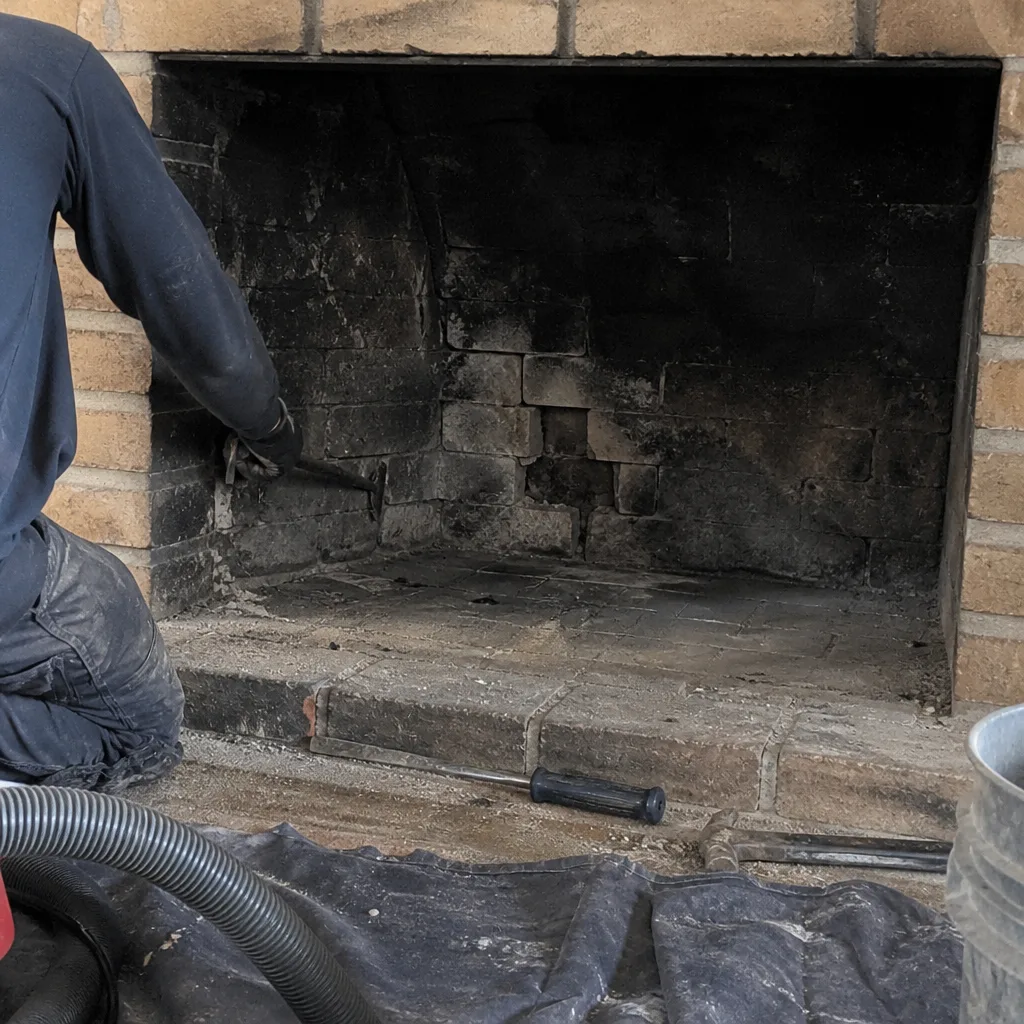
This is the part of DIY cleaning that rarely gets mentioned, and it’s the one we see in the aftermath. Soot is not just dirty. It’s an extremely fine particulate, and once it goes airborne in a living space, it stays airborne for hours and settles into places you’ll find for weeks. A professional sweep uses a HEPA vacuum and a contained work area. A homeowner with a hand brush and a shop vac does not.
Here’s what a professional setup actually includes, and what you’re missing if you go it alone:
- HEPA filtration. A true HEPA vacuum traps particles at the micron level. A standard shop vac, even with a fine-dust filter, blows a significant portion of fine soot straight into the room. The “filter” is often doing less than the homeowner assumes.
- Containment of the work area. A drop cloth and a sealed working space keep soot out of carpet, upholstery and HVAC intakes. In a Brea home during a warm month, the windows are open and the HVAC is running, which is the worst possible combination for airborne dust spread.
- Working from the flue, not the firebox. Professional rods and brushes are sized to the flue and run the full length. A homeowner working from below with a short rod kit often dislodges more than they remove, sending soot and creosote flakes into the smoke chamber and back into the room.
- Disposal. Soot and creosote have to leave the house in a contained, legal way. Sweeping it into a trash bag and carrying it through the house is a routine source of secondary mess.
The practical result is that DIY cleaning tends to cost you less money and more cleaning. Between the soot in the curtains, the fine dust behind the furniture and the cost of a HEPA vac filter or two, a tight budget sometimes doesn’t survive the first attempt. This is one of the reasons a professionally booked sweep, with the right equipment, is often the cleaner choice for a homeowner who wants the job handled and their home to stay their home.
Liability and Insurance When DIY Work Goes Wrong
This is the part of the decision guide homeowners tend to skip past, and it’s the one that has real money attached to it. Chimney and fireplace work is on the short list of homeowner tasks that carry a genuine liability question under California property insurance if a fire loss is later filed.
Here’s the general shape of the problem, without promising you a legal answer (for that, talk to your insurer and your attorney):
- Maintenance records are documented with professional work. Insurers, when investigating a chimney fire loss, look at whether routine maintenance was done. A professional inspection report and sweep receipt are documented proof. A DIY cleaning is not, and an insurer may treat the loss differently.
- A DIY mistake can look like negligence. If a fire is traced to a blocked or damaged flue that was DIY-cleaned and never inspected, the homeowner can be on the hook for the consequences in ways that a professional visit would have insulated them from.
- Structural repairs are outside DIY scope. Liner resurfacing, cap and crown installation, and masonry repair are not homeowner tasks. Attempting them, or missing damage that only an inspection would catch, compounds the risk.
- New homes get special scrutiny. If you bought an older Brea home and the chimney hasn’t been inspected since before the sale, that gap is exactly where insurance claims tend to get contested. A current inspection report protects the homeowner.
None of this is meant to scare you into a service call. It’s meant to give you the actual trade-off. The money you save avoiding a sweep is real. So is the gap in your maintenance documentation if something goes wrong later.
A Cost-Honest Comparison: What You Save vs. What You Accept
Let’s put actual numbers on the decision. Pricing in Brea for these services depends on the number of flues, access, the amount of buildup and whether repairs are needed, but we can lay out typical ranges so you can reason about the trade-off honestly. The written estimate sets the final price for any job.
| Task | Typical professional estimate in Brea | What DIY realistically saves |
|---|---|---|
| Standard sweep of a single flue | $180 to $320 | $100-$200 after equipment, vacuum, filter and cleaning time |
| Inspection with camera and written report | $150 to $300 | Not achievable at home |
| Sweep plus inspection combined | $250 to $450 | Not achievable at home for the inspection portion |
| Cap and crown installation | $250 to $600 | Not advisable at home |
| Minor fireplace repair | $150 to $450 | Not advisable at home |
| HeatShield liner resurfacing | $1,200 to $2,800 | Not possible at home |
| Full liner replacement (DuraFlex) | $2,500 to $6,000 | Not possible at home |
Here’s the honest math. For a single flue that’s seen only light use, a homeowner looking only at the sweep line item can save somewhere in the low hundreds against a booked service. That’s real money. What they accept in exchange is a home full of fine soot, no inspection, no documentation, and a flue of unknown condition. For a lightly used fireplace that’s been swept recently and inspected recently, that may be a reasonable trade. For anything else, it usually isn’t.
The more consequential numbers are the repair ones. A HeatShield resurfacing job is a fraction of the cost of a full DuraFlex liner replacement, but only a professional can tell you which one you actually need. Paying for a resurfacing when a full reline is required is a loss. So is paying for a full reline when resurfacing would have extended the flue’s life. That decision is where the money really sits, and it’s a decision only an inspection can settle. Our chimney repair page walks through what a repair visit typically covers.
Creosote Stages and Why Brea’s Mild Winters Matter
Creosote is the condensed byproduct of burning wood, and it builds up inside the flue in three recognized stages. Knowing them clarifies why the “it’s just soot, I’ll brush it” mentality can be genuinely risky in a place like Brea.
- Stage 1: soft and flaky. Soot and light flaky creosote. Removable with a brush. This is the stage most homeowners imagine when they think of chimney cleaning. It’s the safest stage and the one most DIY attempts actually address.
- Stage 2: hard and crusty. Creosote that has baked onto the flue wall in a hardened layer. A brush doesn’t remove it completely; it needs chemical treatment and specialized mechanical work. Stage 2 is where a brush-and-shop-vac approach starts leaving material behind that its owner thinks is gone.
- Stage 3: glazed. A smooth, hardened, glass-like coating. It’s the most flammable stage and the most difficult to remove. It’s also the stage most likely to be present, but invisible from below, in a flue that has been burned in the same way for years without an inspection. Glazed creosote is not a homeowner brush job.
Brea’s climate plays into this in a specific way. Winters here are mild, so most fireplaces get used in shorter bursts than in colder parts of the country: an evening here, a weekend there, rather than a fire every night through a long season. That pattern tends to produce less total creosote volume, but it also produces more of a specific problem. Fires that aren’t burned hot and steady, and flues that cool between uses, tend to generate more concentrated deposits. In our experience, Brea flues sometimes look lightly used from the firebox while the upper flue has more buildup than the owner expects. That’s the gap between what a brush removes and what a camera sees, and it’s the reason an inspection is not the same service as a sweep.
If you’re pairing cleaning with any repair, the brands we work with matter. We use HeatShield for liner resurfacing because it lets us restore a flue’s interior surface without tearing out the existing liner when the condition allows. We use Gelco and Olympia Chimney components where the job calls for them, and we choose those products because they hold up in real-world use, not because they’re the cheapest option on the shelf.
Common Mistakes to Avoid
- Brushing the flue before inspecting it. You can’t see what the brush is loosening. Always look with a light and mirror first, and if you see glazed creosote or tile damage, stop and book a professional visit.
- Using a shop vac as a dust collector. Even with a fine-dust filter, a shop vac exhausts fine soot into the room. A HEPA vacuum is the only equipment that keeps the air clean, and this matters more in a Brea home with the windows open.
- Cleaning only the firebox and calling it done. The buildup that matters is in the flue above the damper, not on the firebox floor. Sweeping the firebox is cosmetic; cleaning the flue is the actual job.
- Skipping the cap. A missing or damaged cap lets in rain, debris, birds and squirrels, all of which can block the flue. Check the cap from the ground every few months, especially after any windstorm.
- Assuming a lightly used fireplace doesn’t need an inspection. This is the most common Brea mistake. A fireplace used a dozen times a year still accumulates creosote and still has a liner that can fail. The inspection schedule is based on condition, not just frequency of use.
- Booking a full reline before someone has looked with a camera. If you’re told you need a liner replacement, ask to see the camera footage. Nothing should be recommended without visual evidence you can review yourself.
- Cleaning once and calling it done. Creosote builds up over the season. A once-a-year review makes the job easier next time and catches problems while they’re still small.
When to Call a Professional
There are clear signals that a Brea homeowner should pick up the phone instead of the brush. Smoke spilling into the room when you light a fire. A fire that’s harder to light than it used to be. A visible crack in the firebox, the tiles, or the exterior masonry. A strong, persistent creosote smell that doesn’t fade after a fire burns out. Evidence of an animal in the flue, or a cap you can see is damaged from the ground. A chimney that’s never been inspected since you’ve owned the home. Any of these is a call, not a DIY job.
Call (877) 792-7505. We answer 24/7, and fast dispatch runs from 7am to 7pm, Sunday through Friday. Estimates are free, and a sweep is booked, not rushed, so you’re not paying for a visit at an inflated rate.
Frequently Asked Questions
The typical range for a single-flue sweep in Brea is $180 to $320, with combined sweep-and-inspection visits landing in the $250 to $450 range. Creosote severity, access and the number of flues all push the number up or down, and the written estimate sets the final price. Call (877) 792-7505 for an exact quote. Estimates are free.
You can clean light stage 1 soot off a lightly used flue if you have the right rods, a HEPA vacuum and the patience to set up containment. What you can’t do at home is inspect the flue with a camera, stage the creosote, or verify liner integrity. That’s the part most homeowners underestimate. Call (877) 792-7505 if you want the inspection done properly. Estimates are free.
Not necessarily, and nobody should be told they need one without camera footage you can see for yourself. Many flues that look like reline candidates can instead be repaired with HeatShield resurfacing, which extends the life of the existing liner at a fraction of the cost of a full replacement. A professional visit is the only way to know which path is right. Call (877) 792-7505 to book an inspection with a photo report. Estimates are free.
Most Brea fireplaces should be swept and inspected once a year, even with moderate use. A fireplace that burns wood frequently may need it slightly more often, and one that’s been idle for several seasons should be inspected before the first fire. The condition of the flue, not the calendar alone, sets the schedule. Call (877) 792-7505 to book a sweep. Estimates are free.
Creosote keeps building, and at stage 2 or 3 it becomes flammable. The real risk isn’t the visible soot; it’s the glazed layer you can’t see from the hearth, plus undetected liner damage that lets heat reach the framing. Carbon monoxide risk also rises when a flue is partially blocked. It’s a slow problem until it isn’t. Call (877) 792-7505 if it’s been a while. Estimates are free.
Occasional use reduces the volume of buildup but does not guarantee the flue is safe to clean blindly. A flue that has cooled between fires can have more concentrated deposits than its usage suggests. Look first, and if you see glazing or tile damage, stop. Also, fireside safety deserves a professional check at least once a year.
A digital camera run through the full length of the flue, creosote staging, liner integrity checks, draft assessment and a written report with photographs. It’s the diagnostic half of the job, and it’s what makes the cleaning part meaningful. We use professional-grade materials including HeatShield and DuraFlex when repair is needed. Call (877) 792-7505 to book. Estimates are free.
Milder winters mean shorter, less consistent fire seasons, which produces a different creosote signature than a long, hard winter. In our experience, Brea flues often look lightly used from the firebox while the upper flue holds more buildup than the homeowner expects. That gap is the reason an inspection is worth booking even on a fireplace you don’t use heavily.
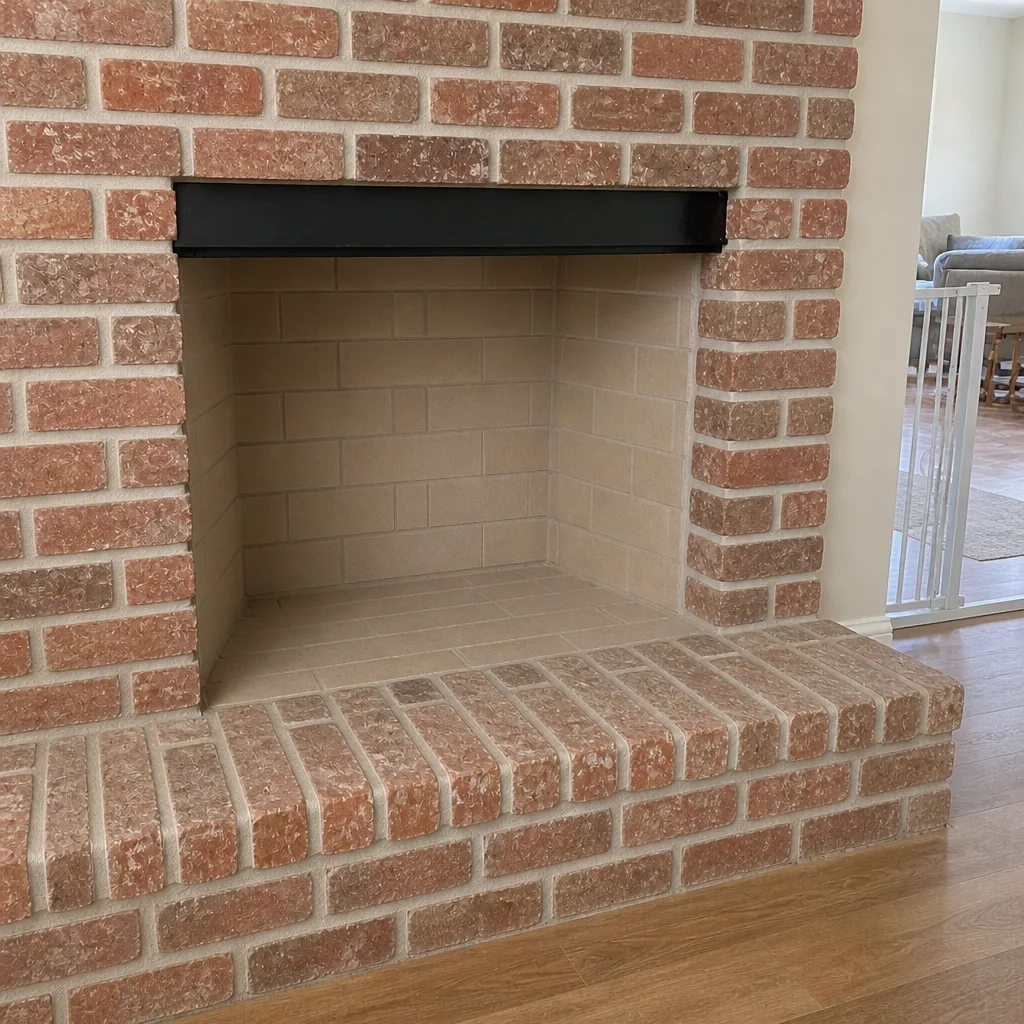
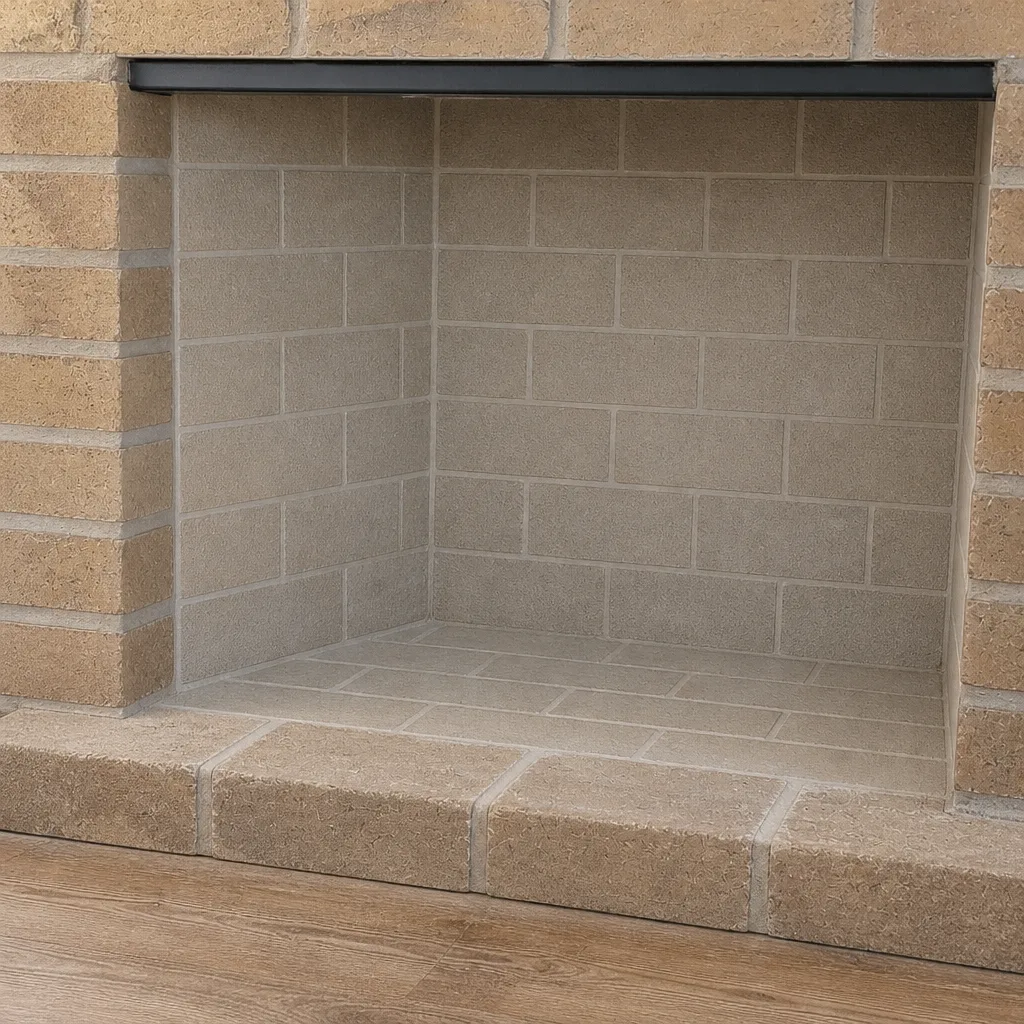
See the difference
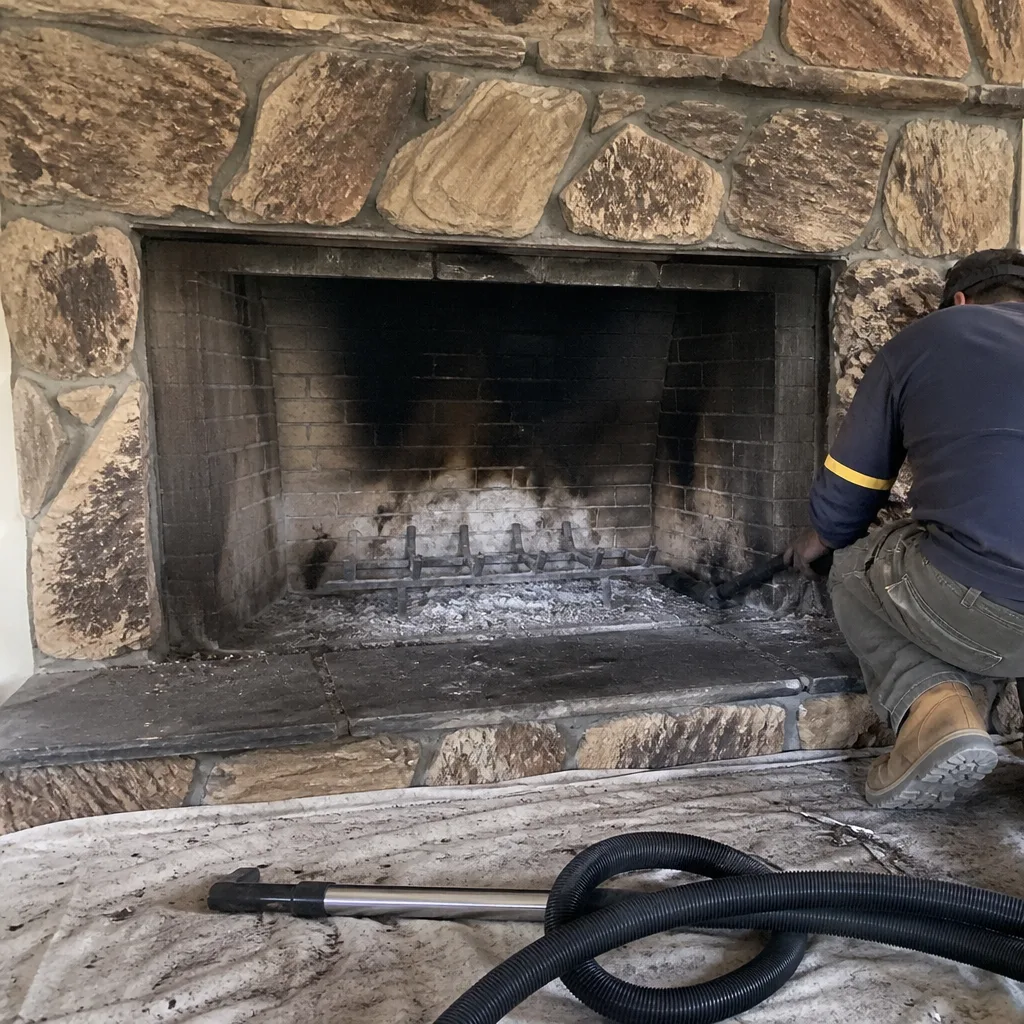 Before
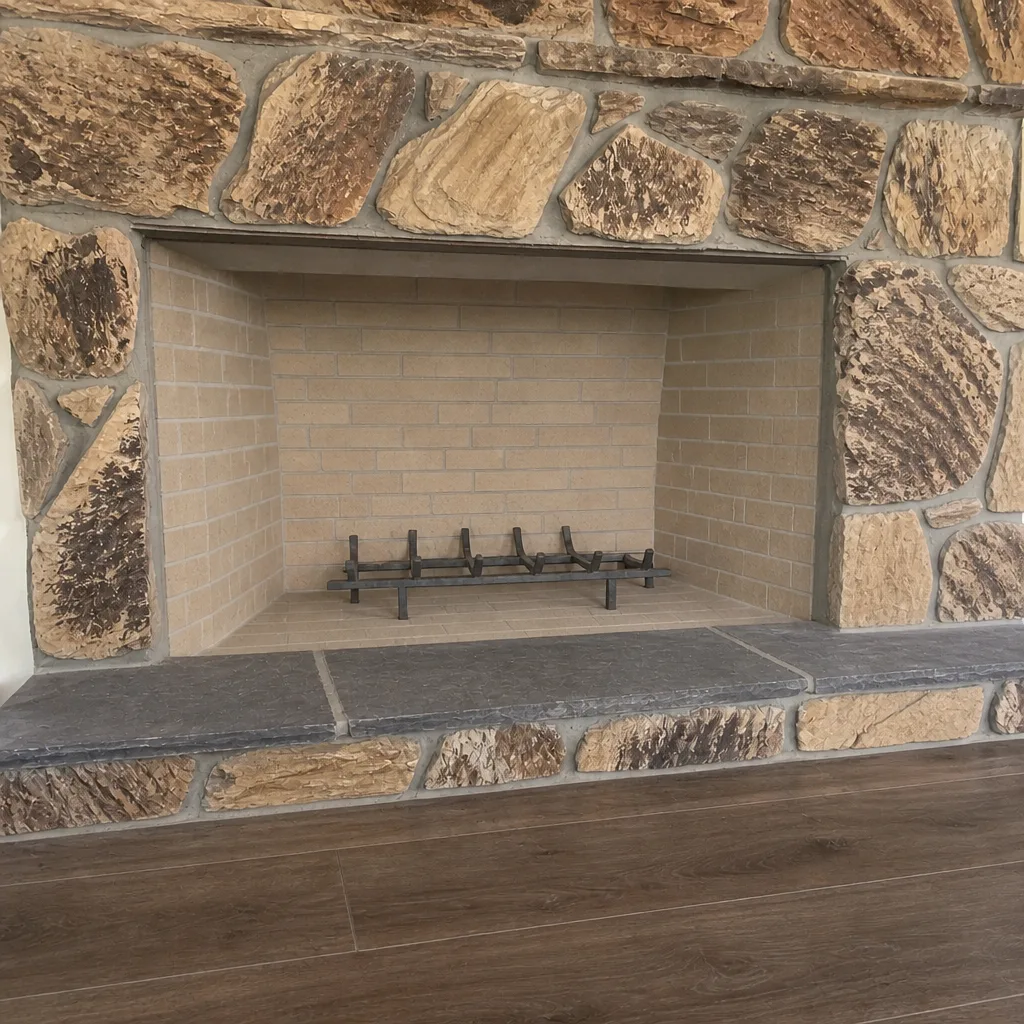 After
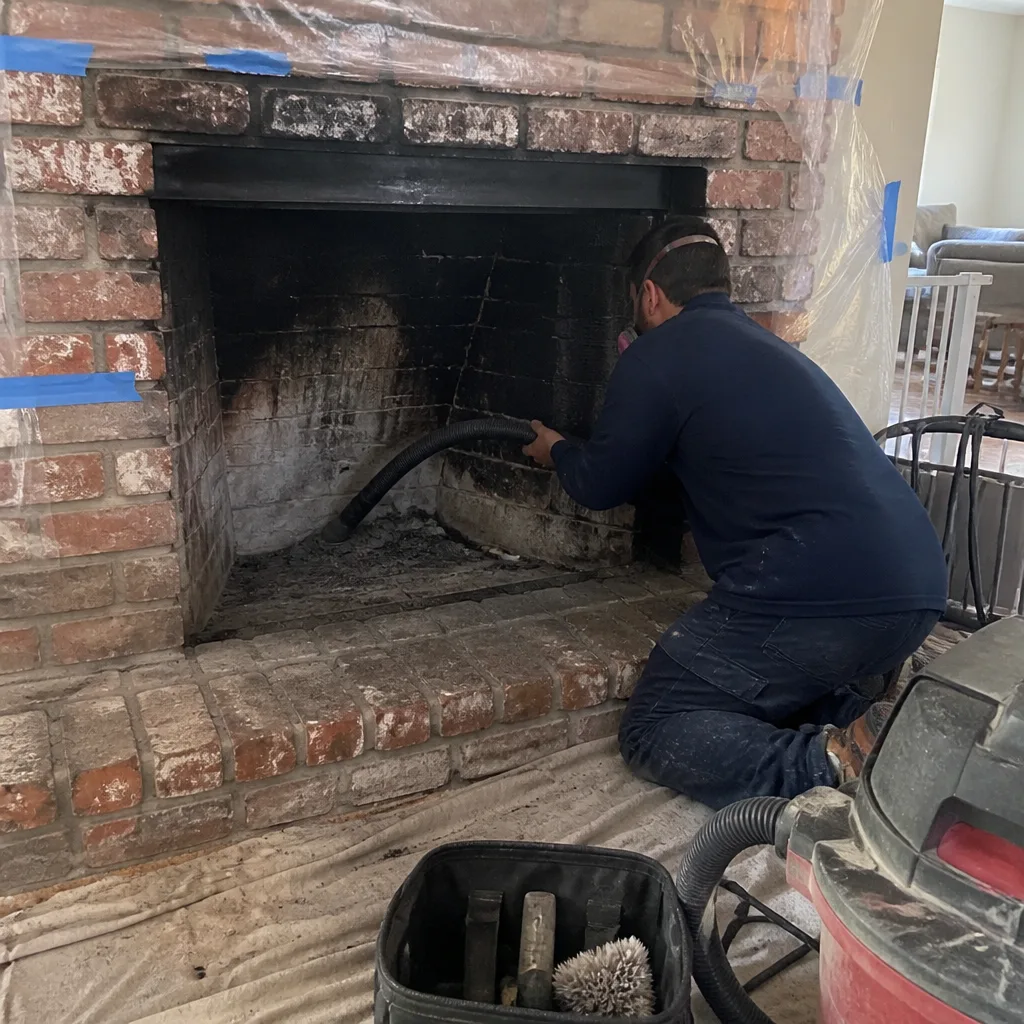 Before
 After
 Before
 After
The Bottom Line
The line between DIY and professional chimney work is not about how hard the brush is to shove up the flue. It’s about what happens before and after the brush. A careful Brea homeowner can check the cap, test the damper, clear the smoke shelf and scan the exterior masonry. Those tasks are real and worth doing. What no homeowner can replicate is the inspection: the camera, the creosote staging, the liner check and the written report. For a lightly used fireplace, that gap may be a reasonable trade. For anything else, the cost of a professional visit is small against the cost of getting it wrong.
Straight Answers, Durable Repairs
If you’re ready to move past guesswork, we handle the full scope in Brea: sweeping, inspection, fireplace repair, chimney repair, and cap and crown installation, with professional-grade materials from HeatShield, Gelco, Olympia Chimney and DuraFlex where repair is needed. Our technicians have up to 13 years of experience, and we recommend nothing without camera evidence you can review. Call (877) 792-7505 for a free estimate. We answer 24/7, and fast dispatch runs from 7am to 7pm, Sunday through Friday.
Written by the team at Chimney Sweep Brea.