
Last updated November 25, 2026
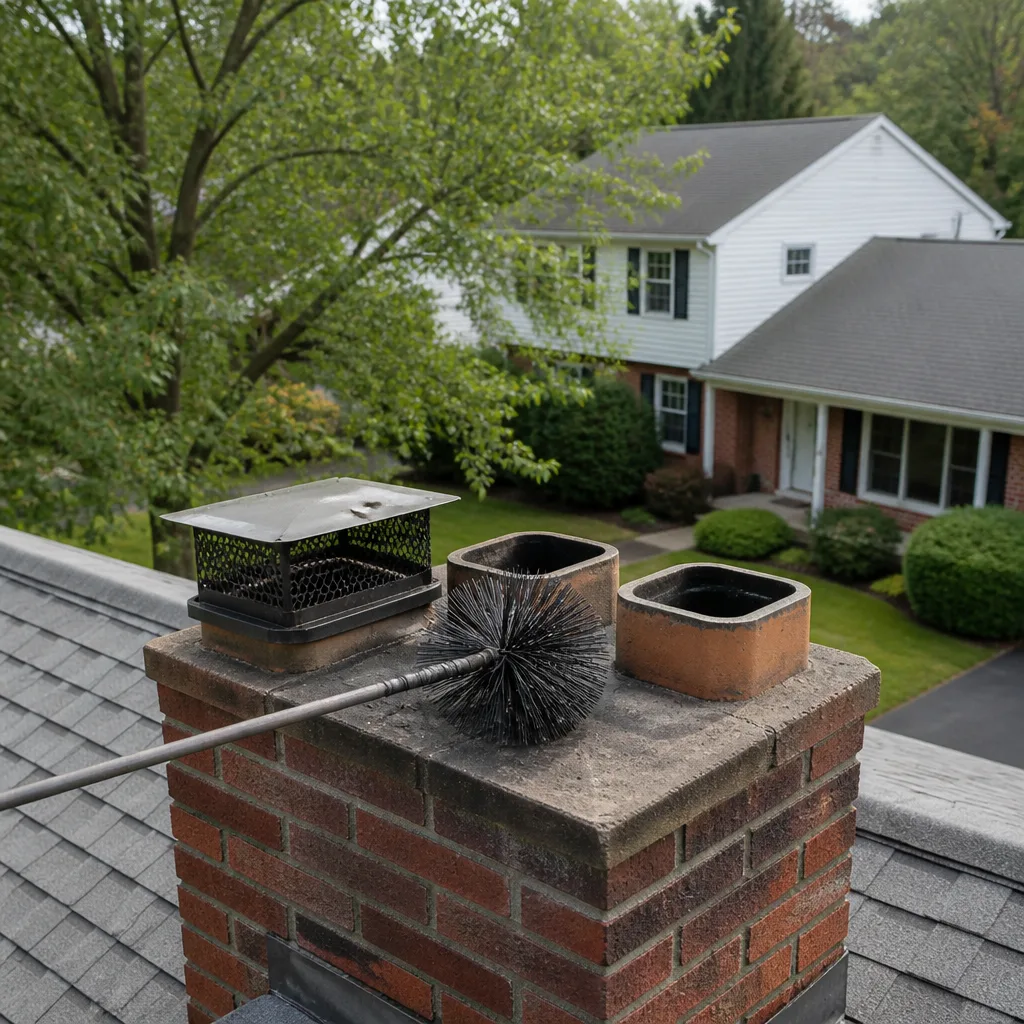 Sweep & inspection
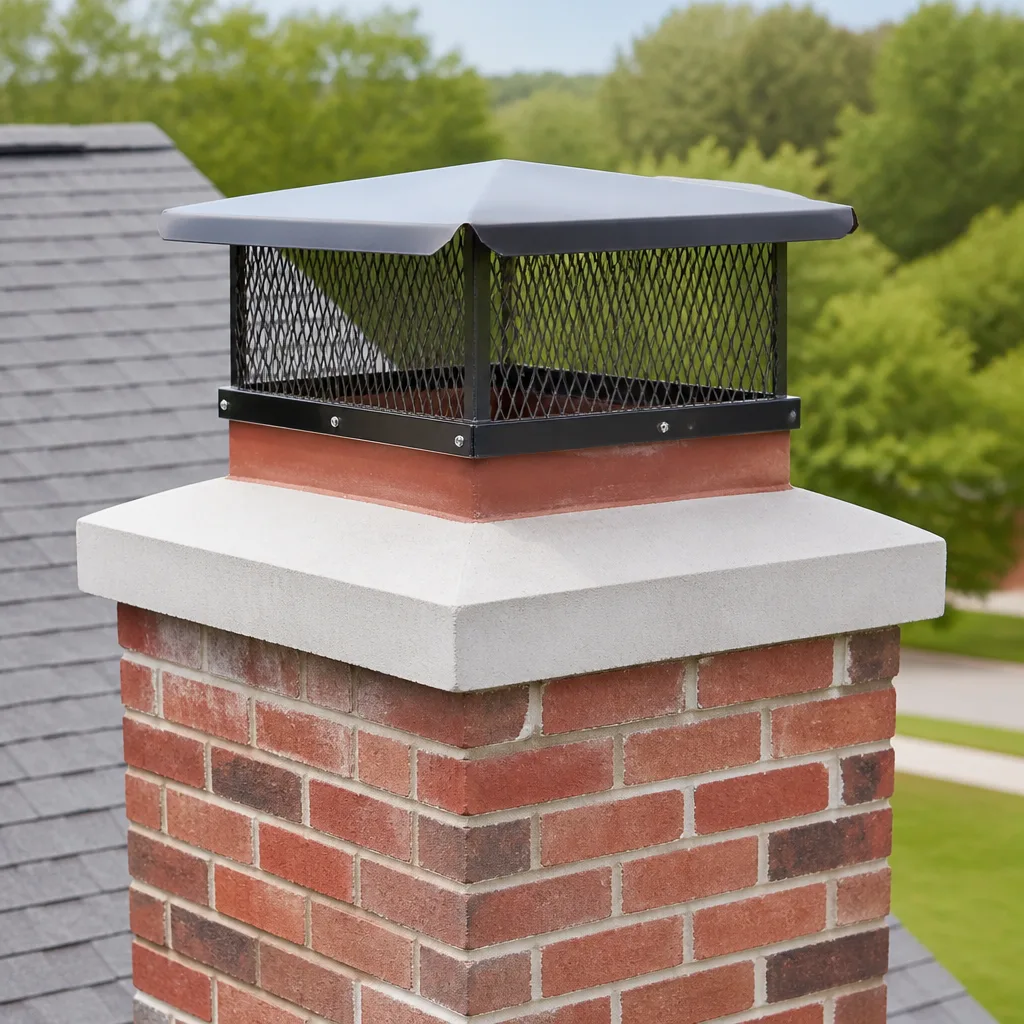 Caps & crowns
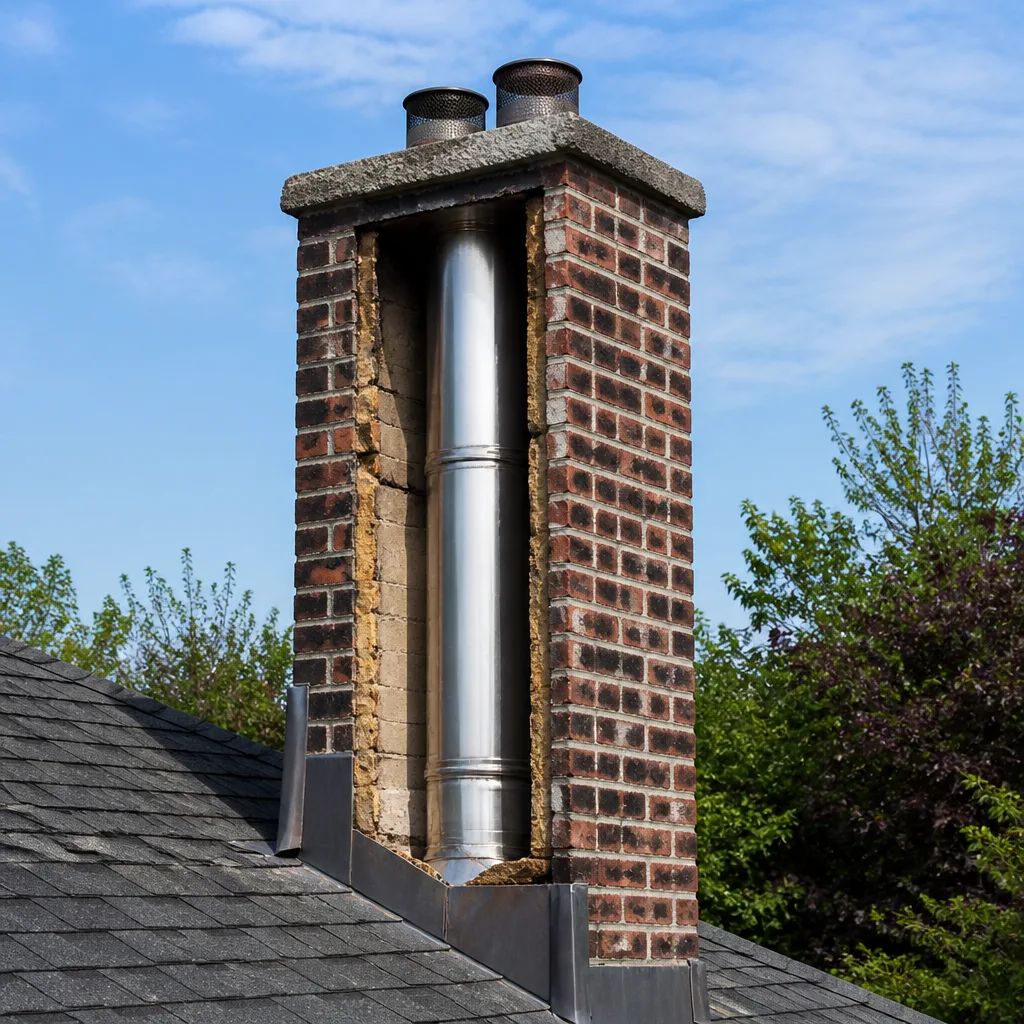 Flue relining
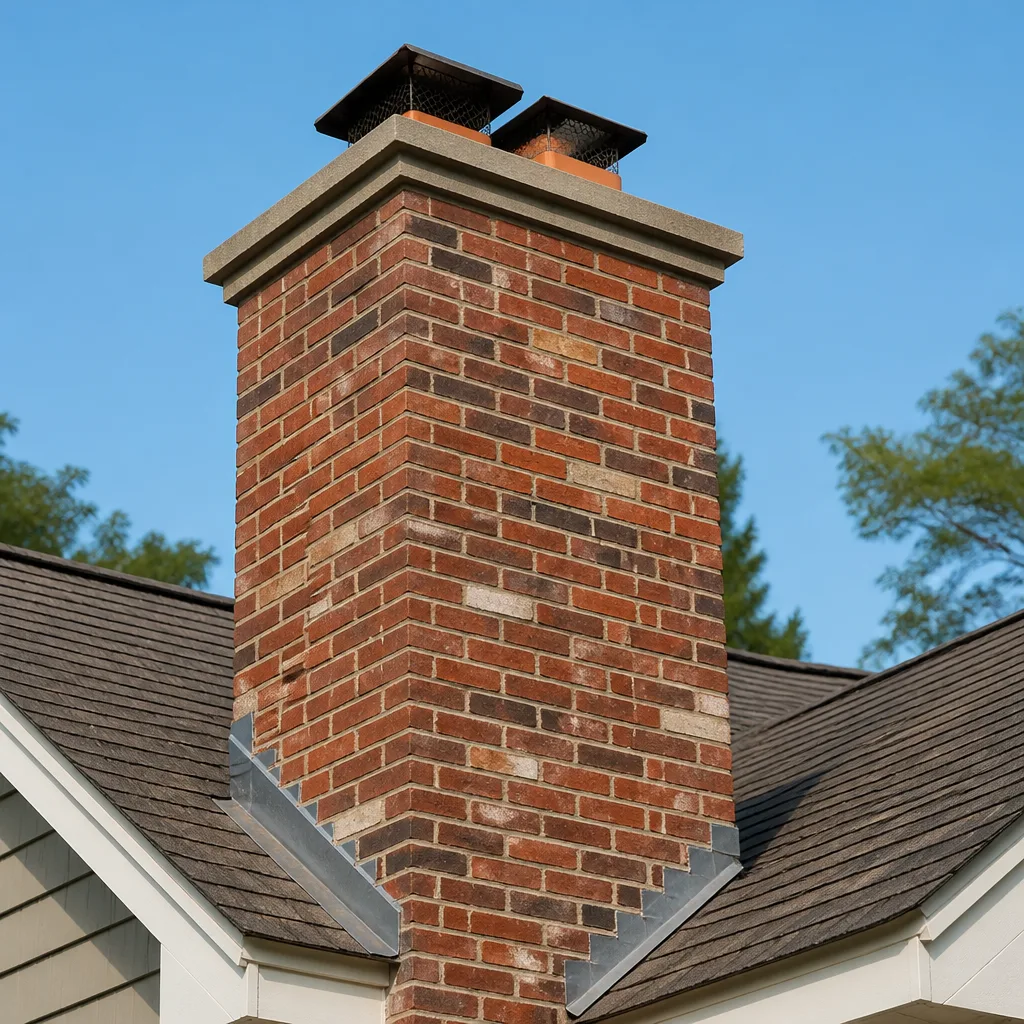 Masonry repair
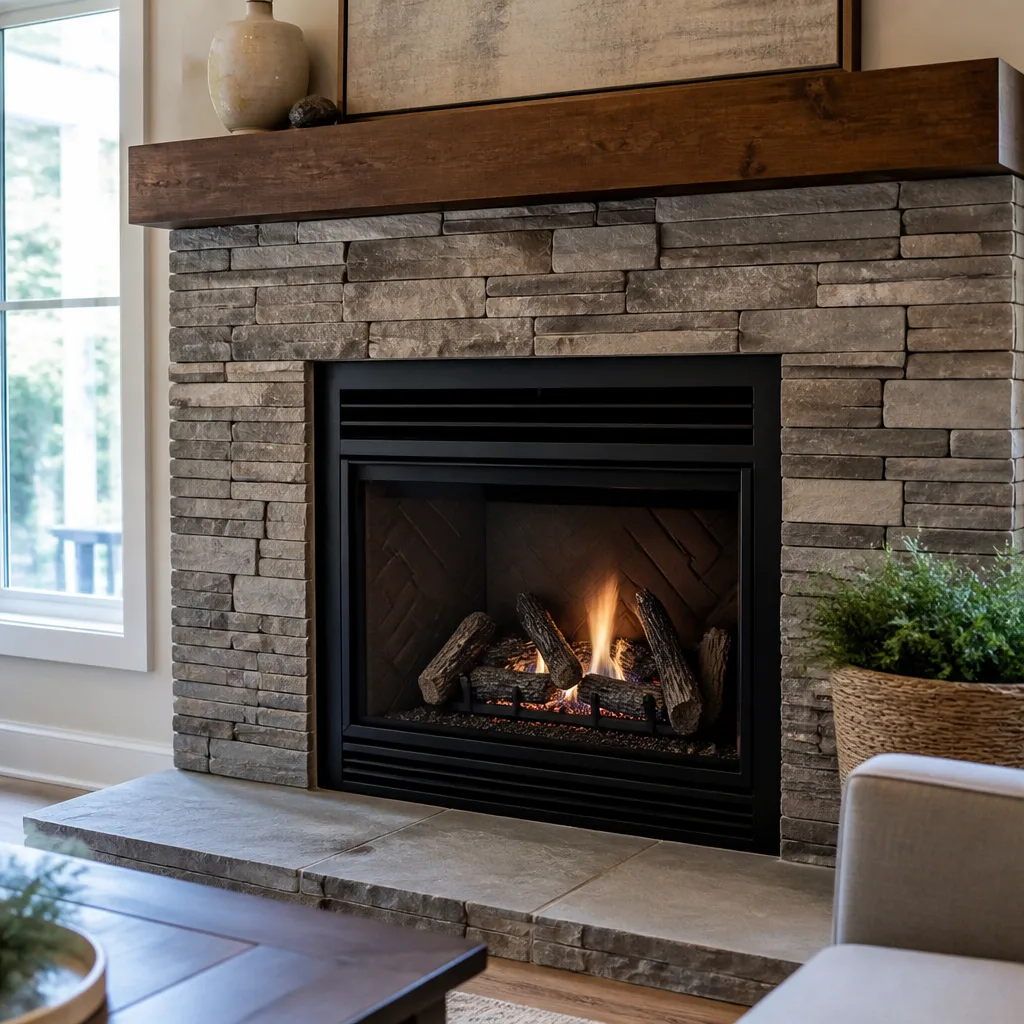 Gas fireplace service
Level 1 sweep and inspection to the NFPA 211 annual standard - flue, crown, cap, and flashing checked and photographed
Chimney sweep logs do not sweep chimneys. They loosen some creosote - which then falls where a brush and vacuum still have to collect it.
Chimney Cleaning Warning Signs: A Brea Homeowner’s Reference Guide
Most chimney problems don’t announce themselves with a roar of smoke or a bill you can’t ignore. They whisper. A faint white bloom on the brick, a smell that shows up only on warm days, a fire that takes slightly longer to catch than it did two winters ago. Homeowners in Brea live with mild winters and wood-burning fireplaces that get used in short, intense bursts rather than long steady seasons, and that pattern creates its own set of warning signs. This guide teaches you to read them early, understand what each one means structurally, and sort them into what can wait, what should be scheduled, and what means stop using the fireplace today.
Quick Answer
Chimney cleaning warning signs in Brea fall into four groups: exterior masonry clues (white staining, flaking brick, dark streaks), draft and smoke behavior (lazy fire, backdraft, smoky smell indoors), interior clues (rust in the firebox, a damper that won’t seal, heavy soot buildup), and smell signals (creosote, animal, or moisture decay). Any sign of a cracked flue, blocked passage, or heavy creosote means stop burning and get an inspection before your next fire. The rest are scheduled maintenance items that get cheaper the sooner you book them.
Styles & brands we work with
- Sweep & inspection
- Caps & crowns
- Flue relining
- Masonry repair
- Gas fireplace service
Table of Contents
- Exterior Clues: What Stains and Flaking Brick Are Telling You
- Smoke and Draft Behavior: Reading Your Fire
- Interior Warning Signs Homeowners Overlook
- Smell-Based Diagnostics: Creosote, Animal, or Moisture
- How to Triage a Warning: Schedule Soon vs. Stop Now
- How Often Should a Brea Chimney Be Cleaned?
- What Chimney Cleaning and Repair Typically Costs in Brea
- Prevention: Cap, Crown, and the Annual Habit
Exterior Clues: What Stains and Flaking Brick Are Telling You
A white, powdery stain creeping down the brick of your chimney is one of the most misread signals in the trade. Homeowners in Brea often assume it’s a paint failure or a water stain from rain, and let it sit for another season. That white bloom is efflorescence, and it’s the visible residue of water dissolving salts inside the masonry and pushing them to the surface. The water is getting in somewhere above, most often through a cracked crown, a failed flashing seal, or a masonry joint that has opened up. Left alone, that same moisture freezes into mortar joints and pops the faces off the brick, a condition called spalling. Fixing a hairline crown crack now is a repair. Rebuilding the top of a chimney after a season or two of spalling is a much bigger project.
- White powdery bloom (efflorescence): water migrating through the masonry, usually from a cracked crown or failing cap. Early stage.
- Flaking or pitted brick faces (spalling): the freeze-thaw damage has begun. The brick itself is deteriorating and needs repair, not just a sealer.
- Dark streaks running down the outside: creosote or soot escaping from the flue, which points to a cracked flue tile or a gap where the flue liner has pulled away from the masonry.
- Rust stains or orange tide marks: water sitting inside the chimney, often from a missing cap letting rain straight into the flue.
Walk around your chimney at ground level once a season and look up from a safe distance. You don’t need to climb anything. If you see white streaking, spalling, or rust, that’s a cue to call in chimney repair before the next burn season. Our technicians have up to 13 years of experience reading these exterior patterns, and we work with brand-name masonry and lining materials because the fix has to outlast the next decade of short, hot Brea burn seasons.
Smoke and Draft Behavior: Reading Your Fire
How your fire behaves is the most direct diagnostic tool you have, and it’s completely free to watch. A chimney that draws well pulls smoke steadily up and out. Any change in that pattern is a signal. Lazy, drifting smoke that lingers in the room, backdraft that pushes a puff into the room when you open the door, a fire that smolders more than it burns: each of these points to a different root cause, and figuring out which one matters before you book anything.
What each behavior usually points to
- Lazy smoke that rolls out at the top of the firebox opening: a partial blockage or a cold flue. Animal nests, soot accumulation, and a flue that’s slightly undersized for the firebox all produce this.
- Backdraft when you open the glass door: a pressure problem, an oversized firebox relative to the flue, or a flue that has been damaged or separated somewhere above. This one deserves a camera inspection.
- Slow draw that improves once the fire is hot: often a flue that’s too cold or a fire that’s too small for the firebox. Not always a repair, but worth checking if it never used to happen.
- A fire that won’t stay lit or keeps dying down: restricted air, often from a blocked cap screen, a stuck damper, or soot narrowing the flue passage.
- Smoke smell in the room long after the fire is out: a down-drafting flue or a leaking flue joint. Get this checked before you light up again.
Draft behavior that changes suddenly is the one category we treat as urgent. A chimney that worked fine last year and now backdrafts has something wrong inside the flue. That’s a same-day call, not a scheduled one. Call (877) 792-7505 and we can get a camera inspection scheduled; we answer 24/7 and dispatch from 7am to 7pm, Sunday through Friday.
Interior Warning Signs Homeowners Overlook
Open the firebox door and look inside with a flashlight before you light a fire this season. Most of what you’ll find is normal soot. What you’re scanning for is the small, easy-to-ignore details that reveal a flue problem building behind the wall. These are the signs that get skipped because they’re not dramatic; they’re just slightly wrong.
- Rust in the firebox or on the damper: a gas fireplace that has rust means moisture is getting in through a failed cap, a bad flashing, or a leak in the masonry above. Rust on the damper of a wood-burning fireplace usually means rain has been entering the flue unchecked.
- A damper that won’t close flat: warped or corroded damper blades leave a gap that lets heat out and cold air, rain, and small animals in through the off-season. A damper that seals poorly is a comfort problem and, on a gas appliance, a serious venting concern.
- Soot shelf patterns: heavy soot accumulation in a shelf or ledge near the top of the firebox, rather than evenly coating the walls, suggests the smoke is slowing down and turbulating before it turns up the flue. That pattern often means a partial obstruction or a misaligned flue above.
- Cracked firebox panels or mortar joints: hairline cracks in firebrick or a firebox panel are common in Brea homes used frequently across short seasons. Cracks deep enough to pass heat to the framing behind them are not common, but they are dangerous.
- Creosote glaze on the flue walls: a shiny, tar-like coating visible up the flue is stage-three creosote. It’s the most flammable kind, and it doesn’t come off with a regular brush. This one means stop burning until a sweep has cleared it.
If any of these appear, book an inspection before your next fire. A proper inspection with a camera gives you photos of exactly what’s going on and a straight answer on what, if anything, needs repair. Everything from a loose damper to a firebox rebuild is handled by our fireplace repair side of the business, so the same specialist who finds the problem also does the work.
Smell-Based Diagnostics: Creosote, Animal, or Moisture
Your nose is one of the most reliable diagnostic tools you have. Three smells in particular tell three different stories, and confusing them leads homeowners to the wrong fix. Before you call, note when the smell shows up, because timing is part of the diagnosis.
- Creosote odor: sharp, smoky, sometimes acrid. Shows up most strongly on warm days, when the cooler air outside pushes the smoky smell back down the flue and into the room. This means soot or creosote is sitting in the flue and needs sweeping, not necessarily a liner issue. It’s the most common smell in a Brea home that burned last winter and then went quiet for the summer.
- Animal odor: musty, distinctly animal, or a strong ammonia note. Usually caused by birds, squirrels, or raccoons that have nested in the flue through the off-season, blocked off the draft, and left droppings or nesting material behind. It’s often paired with a cap that’s missing or damaged. If this smell corresponds with lazy smoke, a blockage is a strong possibility.
- Moisture decay odor: damp, earthy, like a wet basement, without much creosote sharpness. This points to water entering the chimney, typically through a failed crown, a missing cap, or a masonry joint that’s no longer sealed. It’s also often accompanied by efflorescence or rust on the inside of the firebox.
Creosote odor and animal odor often overlap in practice, because a chimney that smells smoky on warm days is also one that’s easy for a bird to find. If you’re not sure which of the three you’re smelling, describe the timing (day, season, weather) when you call and we can tell you what to book. The same chimney sweep visit clears creosote and nests, and lets the technician get eyes on the crown and cap from underneath.
How to Triage a Warning: Schedule Soon vs. Stop Now
Not every warning sign is an emergency, and treating them all that way burns money. Equally, treating them all as “wait another season” is how a $200 repair becomes a rebuild. Here’s the triage we use in the field, and you can apply the same three-tier thinking at home.
Tier 1: Schedule soon
These signs are real but not dangerous today, and the repair gets more expensive the longer it waits.
- White surface staining (efflorescence) with no spalling yet
- Mild creosote smell on warm days only
- Occasional lazy smoke with no backdraft
- A fire that catches slightly slower than it used to
- Light rust inside a gas fireplace
Tier 2: Schedule before the first fire
These need attention before the next burn season, and you shouldn’t light a fire until the inspection is done.
- Visible cracking in the crown or masonry joints near the top
- A missing or damaged chimney cap
- Any confirmed animal or bird nesting
- Flaking brick faces (early spalling)
- A damper that won’t seal properly
- Glazed or heavy creosote buildup in the flue
Tier 3: Do not use – call now
These signs mean stop burning and get a professional to look before you light another fire.
- Cracked or missing flue tiles visible in the flue
- Deep firebox cracks that reach the framing or exterior of the box
- Any confirmed backdraft or smoke rolling into the room
- Carbon monoxide alarms sounding when the fireplace runs
- Fire in the flue, or a roar you can’t explain
- Visible damage to the flue chase or major masonry collapse
Not sure which tier your sign falls in? Snap a photo from a safe distance and describe what you’re seeing when you call. We’ll tell you what to book and, just as important, when work can safely wait. Nothing gets recommended without the evidence to back it up, and our technicians, with up to 13 years of experience, prefer to show you the camera footage before they quote anything.
How Often Should a Brea Chimney Be Cleaned?
For most Brea homes, a chimney should be swept once a year, and it should be inspected at the same visit. That annual baseline applies whether you burn wood or run a gas fireplace, though the reason differs: a wood-burning flue accumulates creosote and needs clearing, while a gas flue can develop rust, blockages, and venting problems that are invisible from the room. Because Brea’s burn season is short and intense, most homeowners here pack a winter’s worth of fires into a compressed few months, which builds creosote faster per fire than a longer, slower season does. If you burned more than usual, use a dense or unseasoned wood, or notice any creosote smell, sweep before the season, not after.
- Annual sweeping for any actively used fireplace
- Annual inspection with camera to catch flue issues the eye can’t reach
- Extra sweep if you burn more than a cord of wood in a season, notice heavy soot, or smell creosote on warm days
- After any animal intrusion, even outside the usual schedule
- Before selling or buying a home with a fireplace, since previous use is unknown
The annual habit is what keeps the warning signs from ever escalating. The full scope of a routine visit is laid out on our chimney sweep page, including how the sweep works, what the camera check covers, and why it’s worth booking before the season opens. Call (877) 792-7505 and we’ll get you on the schedule; we answer 24/7 and dispatch crews from 7am to 7pm, Sunday through Friday.
What Chimney Cleaning and Repair Typically Costs in Brea
Homeowners want to know the ballpark before they book, and there’s no good reason to hide it. The numbers below are typical estimated ranges for the kinds of work these warning signs point to in the Brea market. Every job is different, and the written estimate sets the final price, but these brackets give you a fair starting point so you can budget and spot when a quote is out of line.
| Service | Typical Estimated Range |
|---|---|
| Standard chimney sweep (cleaning + basic inspection) | $150 – $300 |
| Level 2 camera inspection (photo report included) | $200 – $450 |
| Crown repair or reseal | $250 – $600 |
| Chimney cap installation | $200 – $500 |
| Damper repair or replacement | $250 – $600 |
| Minor masonry repair (tuckpointing, spot brick work) | $300 – $900 |
| HeatShield liner resurfacing | $1,800 – $3,200 |
| Full DuraFlex liner replacement | $2,500 – $5,500 |
| Animal removal and flue cleaning | $250 – $500 |
Two things to keep in mind when you read a quote. First, a sweep and inspection are cheap relative to what a deferred repair costs. Second, a liner replacement is not something to accept without seeing the evidence. Ask for camera footage of the flue before you agree to a new liner. In many cases, HeatShield liner resurfacing addresses a moderately damaged flue at a fraction of full replacement cost, and it’s the right call for a lot of Brea chimneys with typical wear but structurally sound masonry. A straight answer on whether you actually need replacement, or whether resurfacing will do, is part of what our service is for. Call (877) 792-7505 for a free estimate.
Prevention: Cap, Crown, and the Annual Habit
Almost every warning sign in this guide traces back to one of two causes: water getting into the chimney, or creosote building up inside it. Both are preventable. And the two most effective preventive steps are unglamorous and relatively inexpensive compared to what they head off.
- Install and maintain a chimney cap. A cap keeps rain out of the flue, stops birds and squirrels from nesting, and keeps sparks off your roof. A missing or damaged cap is behind most animal intrusions and a good share of the interior rust we see.
- Keep the crown sealed. The crown is the concrete or masonry top of the chimney, and it’s designed to shed water away from the flue. A hairline crack in the crown lets water straight through, and that water is what drives efflorescence, spalling, and interior rust. Resealing or replacing the crown is a small job that buys years.
- Book the annual sweep and inspection. Getting a camera on the flue once a year catches developing problems while they’re still small.
- Burn dry, seasoned wood. Wet or green wood builds creosote faster and is behind most of the smell complaints we hear.
- Look before you light. A two-minute walk-around and a flashlight inside the firebox each fall catches most of what this guide describes.
Chimney cap and crown work is a core service for us, not an afterthought. It’s the kind of preventive work that keeps the whole system sound, and we do it with professional-grade materials because a cap or crown that fails in two years isn’t worth doing at all. If you’re not sure what your chimney needs, a single inspection answers that question. Our chimney sweep in Brea covers the full first-look service, and our team can carry anything found straight through to repair.
Common Mistakes to Avoid
- Assuming white staining is only cosmetic. Efflorescence is the first visible stage of water damage inside the masonry. Waiting a season turns a crown repair into spalling brick and a bigger bill.
- Burning through a lazy-draft season. A fire that won’t draw properly isn’t just inconvenient; it may mean a partial flue blockage or a damaged flue above. Get it checked before the next fire.
- Accepting a “new liner” quote without seeing the evidence. Ask for camera footage. Some flues need HeatShield resurfacing rather than full replacement, and a straight specialist will tell you which. The written estimate should match what the camera shows.
- Ignoring smells because they only happen in summer. Warm-weather creosote smells are the flue telling you it’s due for a sweep. Ignoring them means another season of buildup on top of what’s already there.
- Burn season without a cap. A missing cap lets rain straight into the flue and gives animals an open door. It’s the cheapest preventive step you can take.
- Treating a gas fireplace as maintenance-free. Gas units still have a flue, still accumulate debris, and can still rust. They need an inspection at the same annual interval.
- Using a general handyman for masonry that surrounds the flue. Chimney structure is its own trade, and the repair has to close the water path completely. A patch that lets water back in is not a repair.
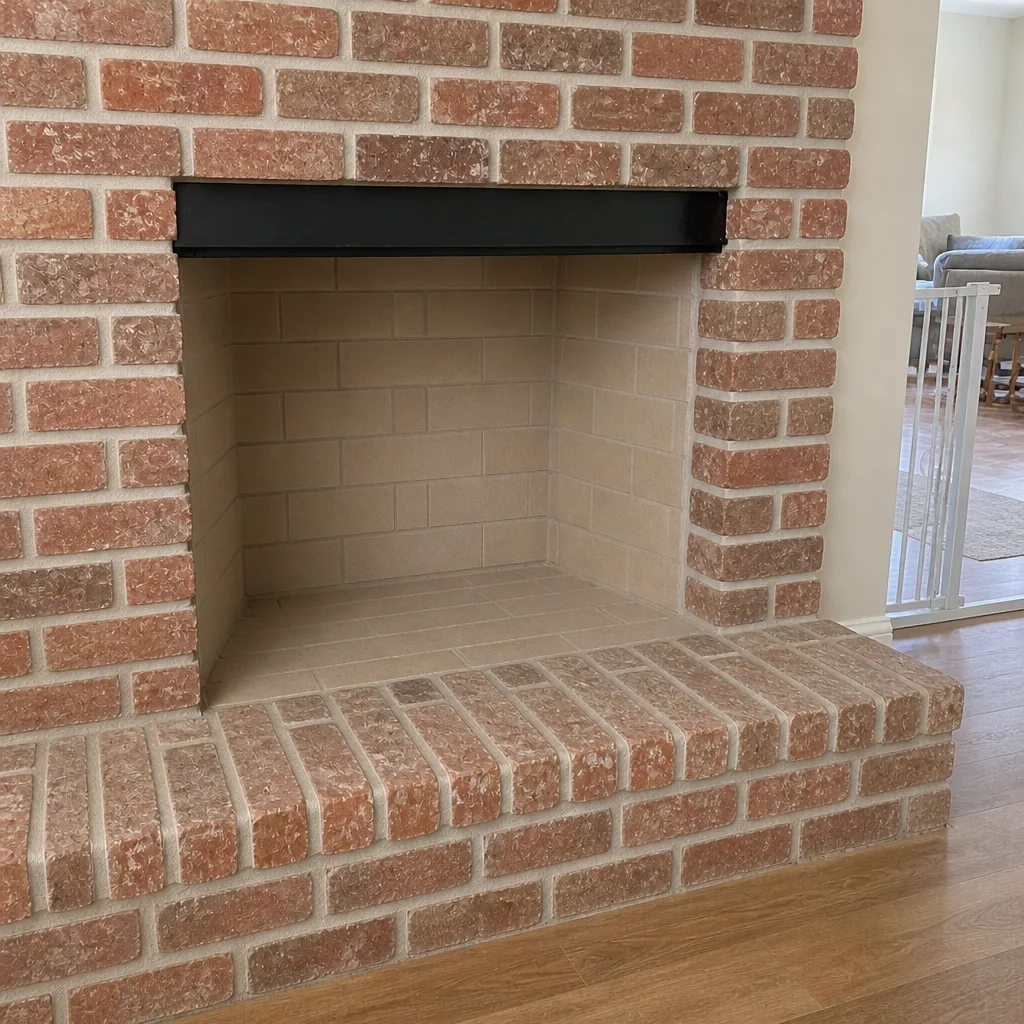
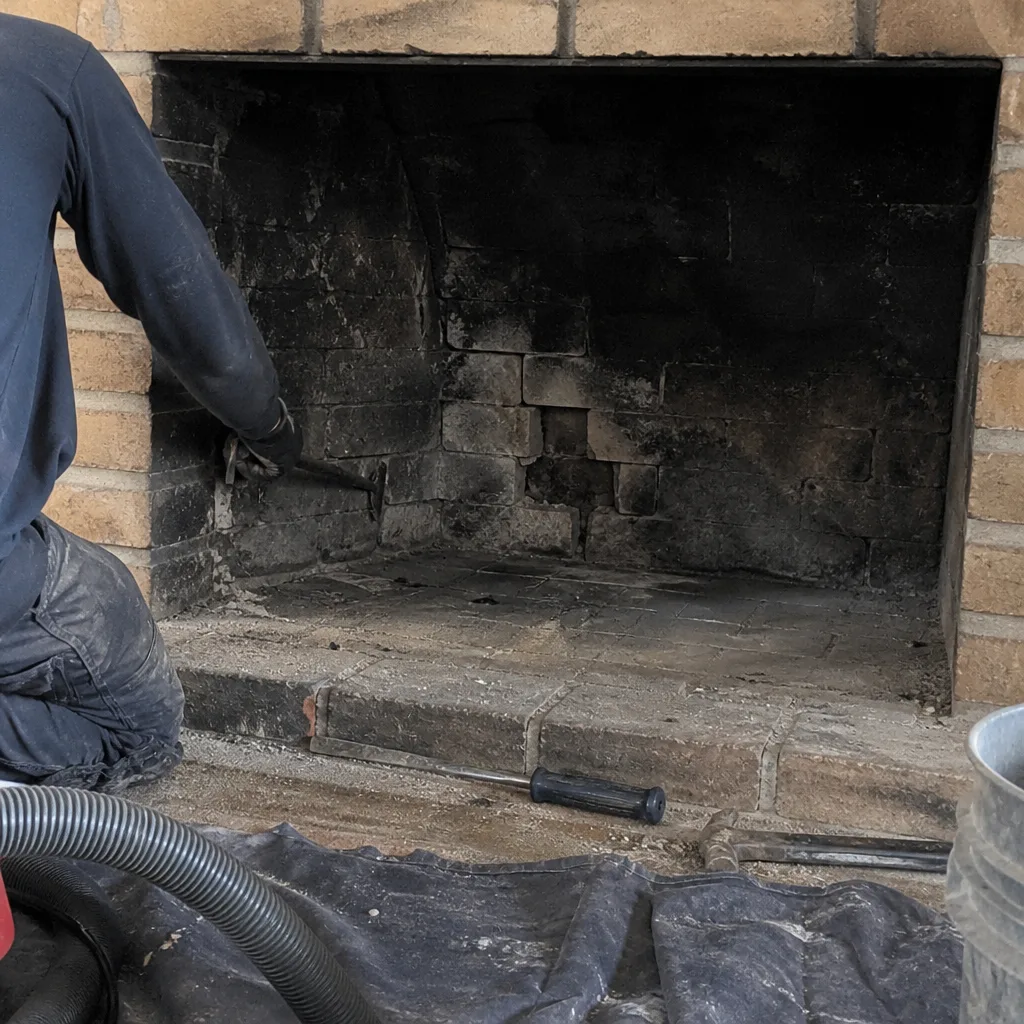
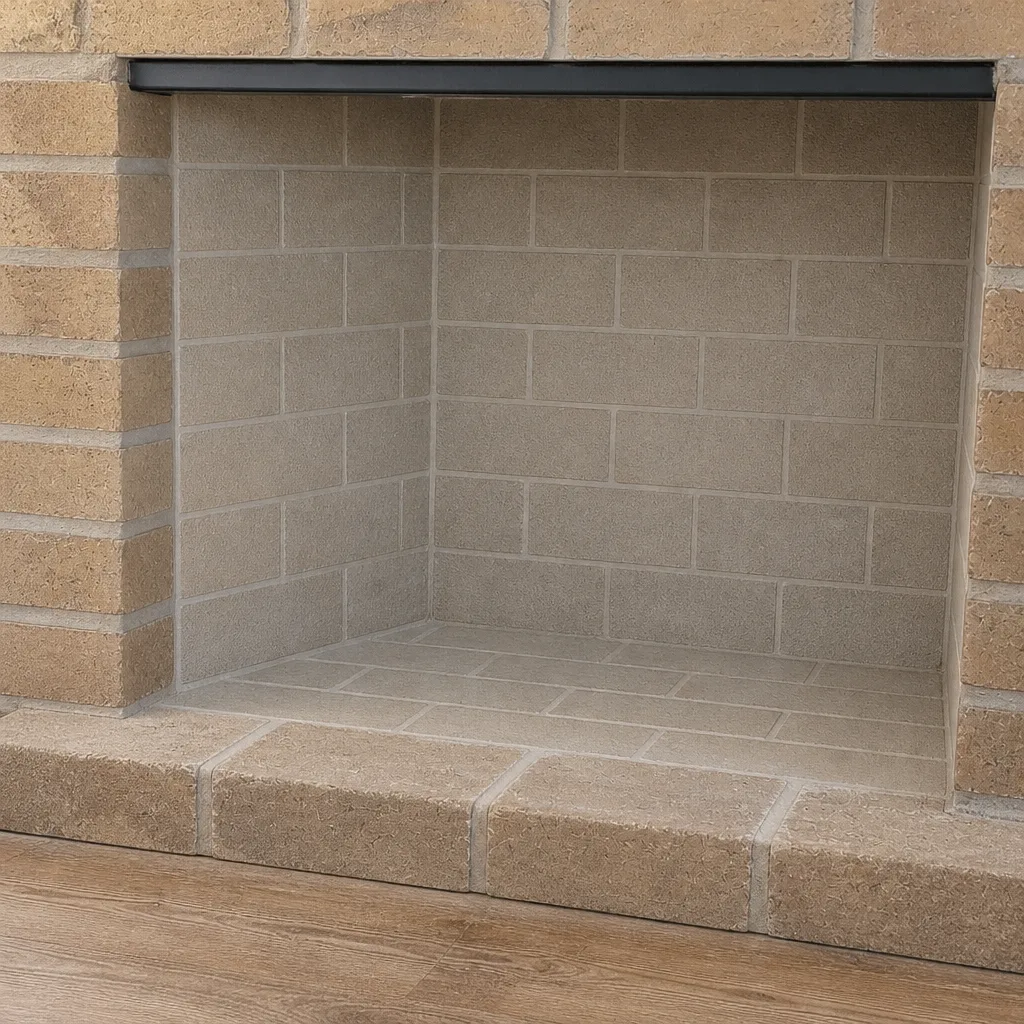
See the difference
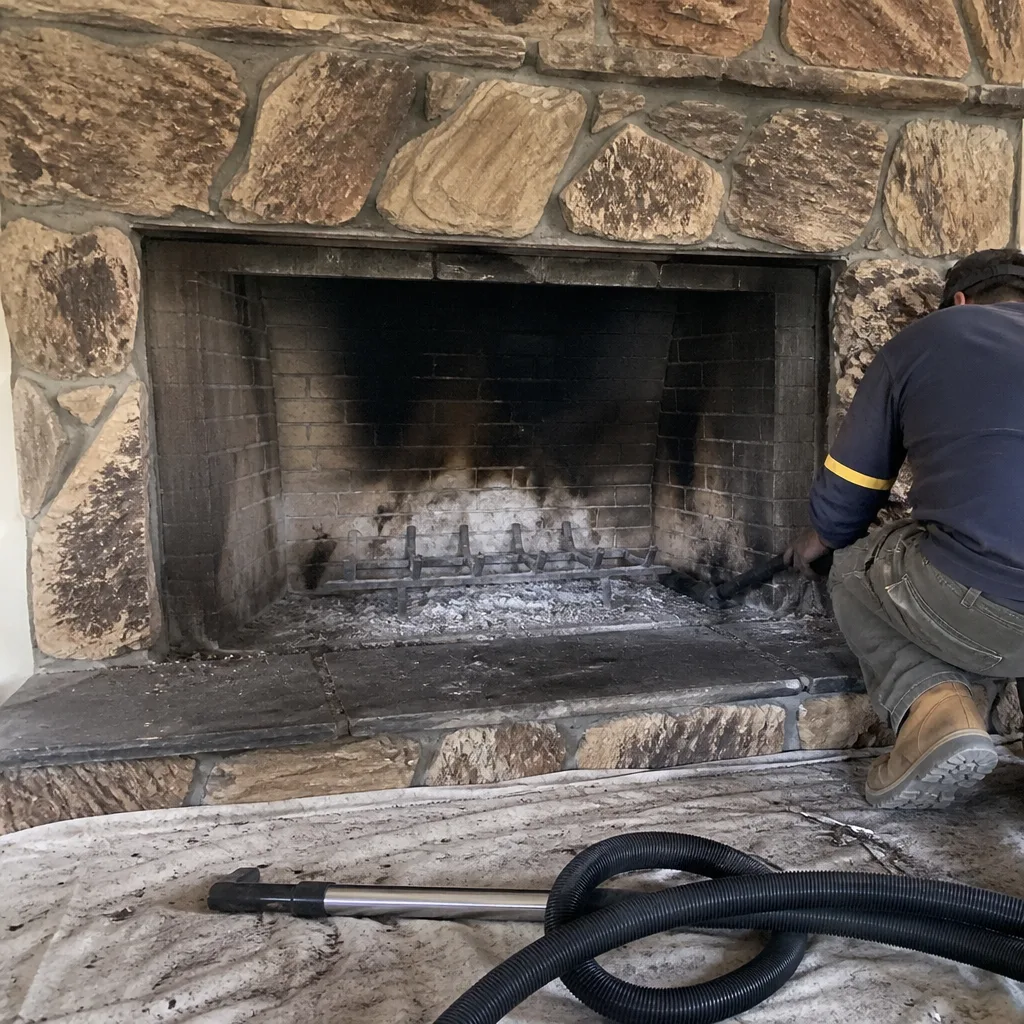 Before
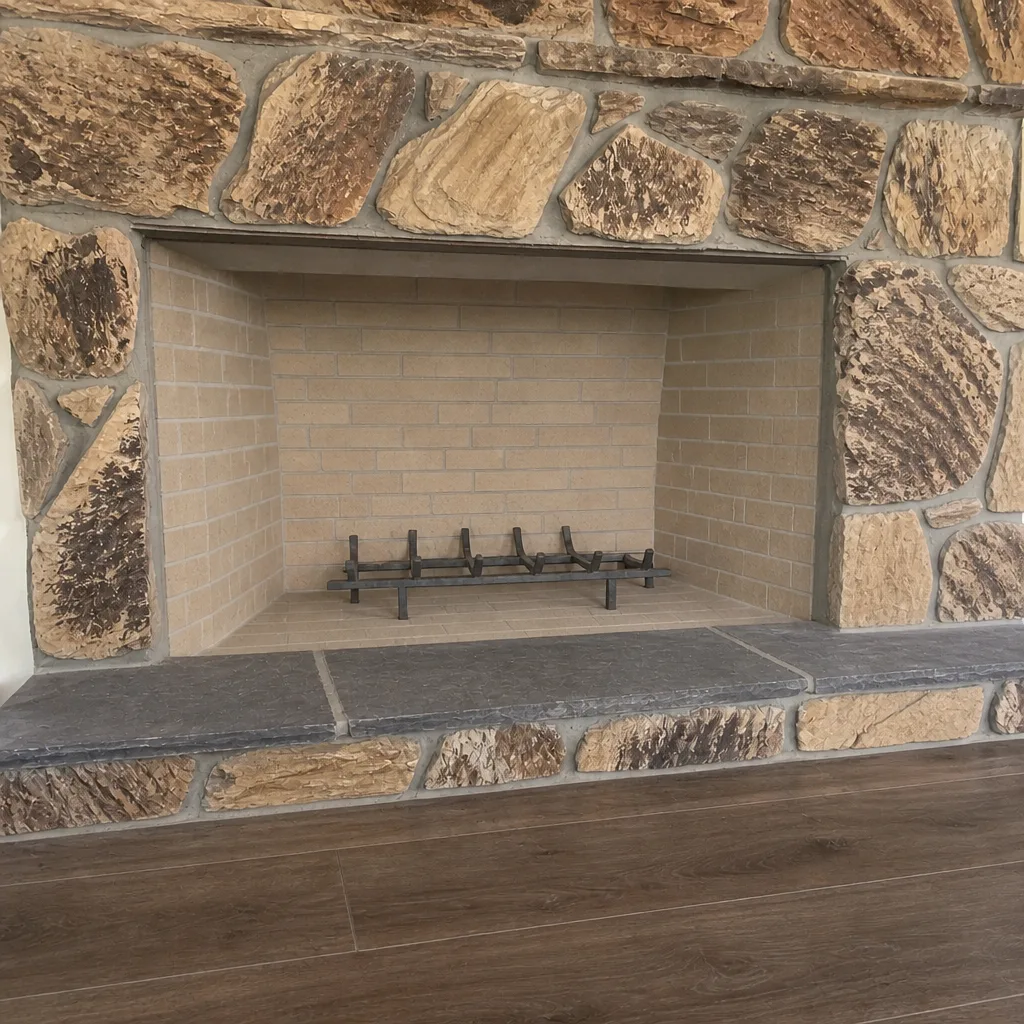 After
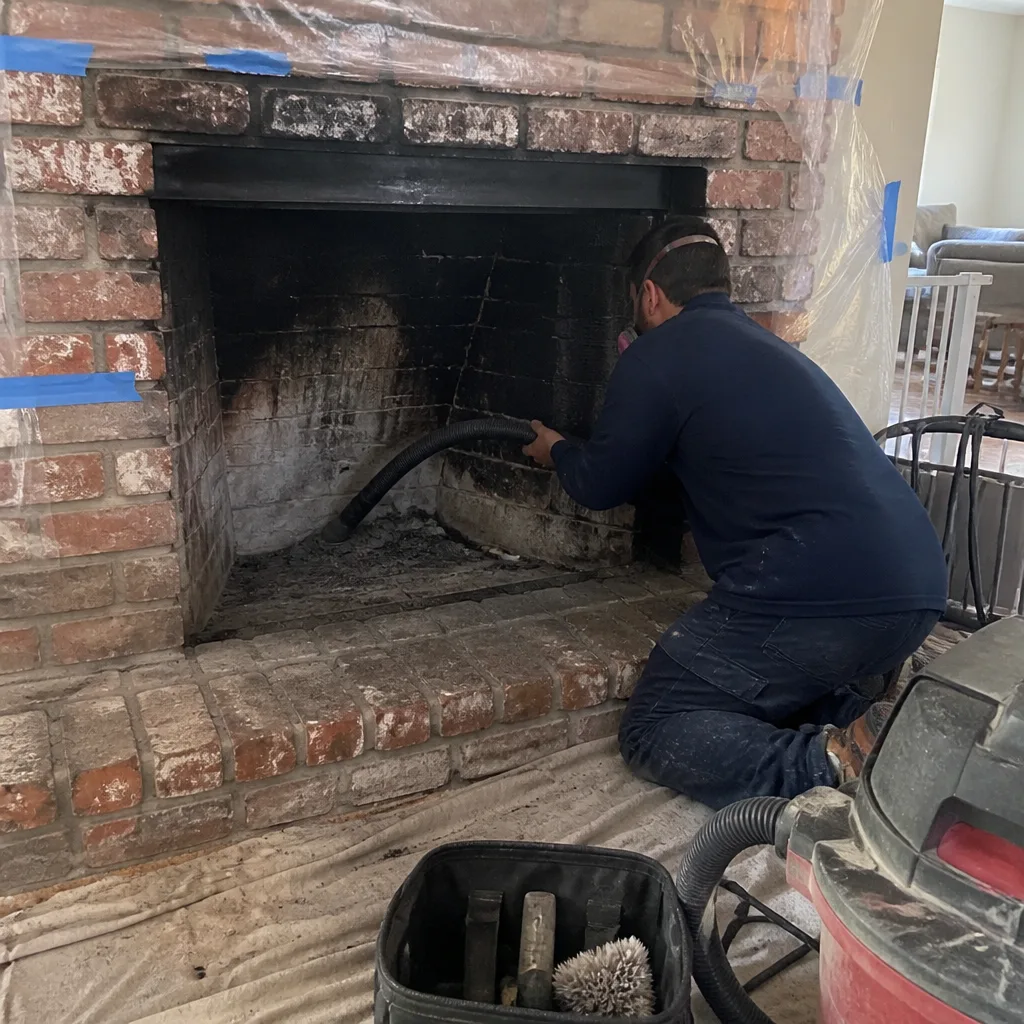 Before
 After
 Before
 After
When to Call a Professional
Call a professional if any of these are true: you see cracked or missing flue tiles, deep firebox cracks, or backdraft when you open the door; you smell strong creosote or animal odors; the fire no longer draws the way it did last year; your carbon monoxide alarm sounds when the fireplace runs; or the chimney has visible masonry damage of any size. Also call if you’ve moved into a Brea home with an older fireplace and don’t know its service history. Previous use is unknown, and a first inspection is the cheapest way to get a baseline. When work can safely wait, we tell you so. Chimney Sweep Brea offers free estimates in Brea. Call (877) 792-7505. We answer 24/7. Fast dispatch from 7am to 7pm, Sunday through Friday.
Frequently Asked Questions
A standard chimney sweep in Brea typically runs an estimated $150 to $300, and a Level 2 camera inspection with a photo report typically runs $200 to $450. The written estimate sets the final price, and we include the camera check so you see exactly what’s in the flue. Call (877) 792-7505 for an exact quote; estimates are free.
Not always. A new liner is necessary when the flue tiles are cracked, missing, or separated to a degree that resurfacing can’t correct. In many cases, HeatShield liner resurfacing is the right answer and costs significantly less than full replacement. We don’t recommend a liner without camera evidence you can see for yourself, and we’ll tell you when the existing flue has more life left. Call (877) 792-7505 to schedule an inspection.
Once a year for any actively used fireplace, with an inspection at the same visit. Brea’s short, intense burn season builds creosote faster per fire than a longer, slower season, so an annual sweep is the baseline and a mid-season sweep makes sense if you burn a lot of wood or notice creosote smells. Call (877) 792-7505 to book before the season opens.
Creosote builds up on the flue walls, and glazed, stage-three creosote is highly flammable. In the worst case it can ignite, which is the cause of most chimney fires. Short of that, soot and blockages reduce draft, which shows up as lazy smoke, indoor smoke smell, and a fire that won’t catch. Skipping the sweep also lets small flue damage go unnoticed until it becomes expensive. Call (877) 792-7505 for a free estimate.
A white powdery stain is efflorescence, which means water is migrating through the masonry and pushing salts to the surface. It’s usually caused by a cracked crown or a failing cap, and it’s the early stage of masonry damage. Fixing it now is a small repair; letting it go is a much larger one. Call (877) 792-7505 to have a technician look.
No. Backdrafting means the flue isn’t moving smoke up and out, which points to a blockage, a damaged flue, or a pressure problem that needs a camera inspection before you light another fire. Smoke in the room is also a carbon monoxide risk. Stop burning and call for an inspection. Call (877) 792-7505; we answer 24/7.
The Bottom Line
Chimney warning signs in Brea are quiet by design. Efflorescence, spalling brick, lazy smoke, rust in the firebox, a damper that won’t seal, and warm-weather creosote smells are all the chimney asking for a look before something bigger happens. Read them early, triage them by tier, and treat an annual sweep and inspection as the baseline habit that keeps them from ever escalating into a rebuild. We work with professional-grade materials including DuraFlex and HeatShield because the fix should outlast the next decade of burn seasons. If a sign has you unsure, get a camera inspection and see the evidence for yourself. That’s how we decide what’s actually needed, and when the work can safely wait.
Call Chimney Sweep Brea at (877) 792-7505 for a free estimate. We answer 24/7. Fast dispatch from 7am to 7pm, Sunday through Friday. Your chimney, start to finish: inspection, sweeping, fireplace repair, chimney repair, and cap and crown, all under one roof, with the same specialist who finds the issue carrying it through to a durable repair.
Written by the team at Chimney Sweep Brea.