
Last updated November 25, 2026
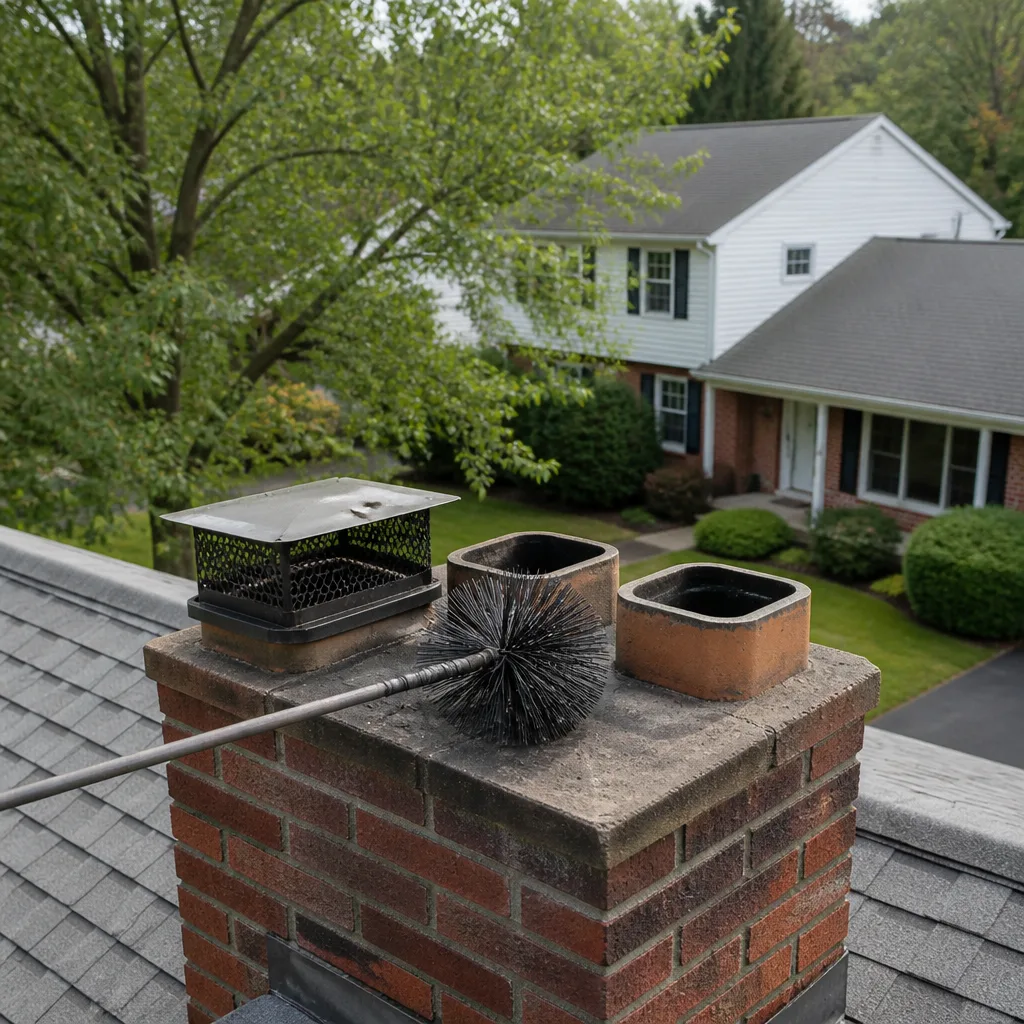 Sweep & inspection
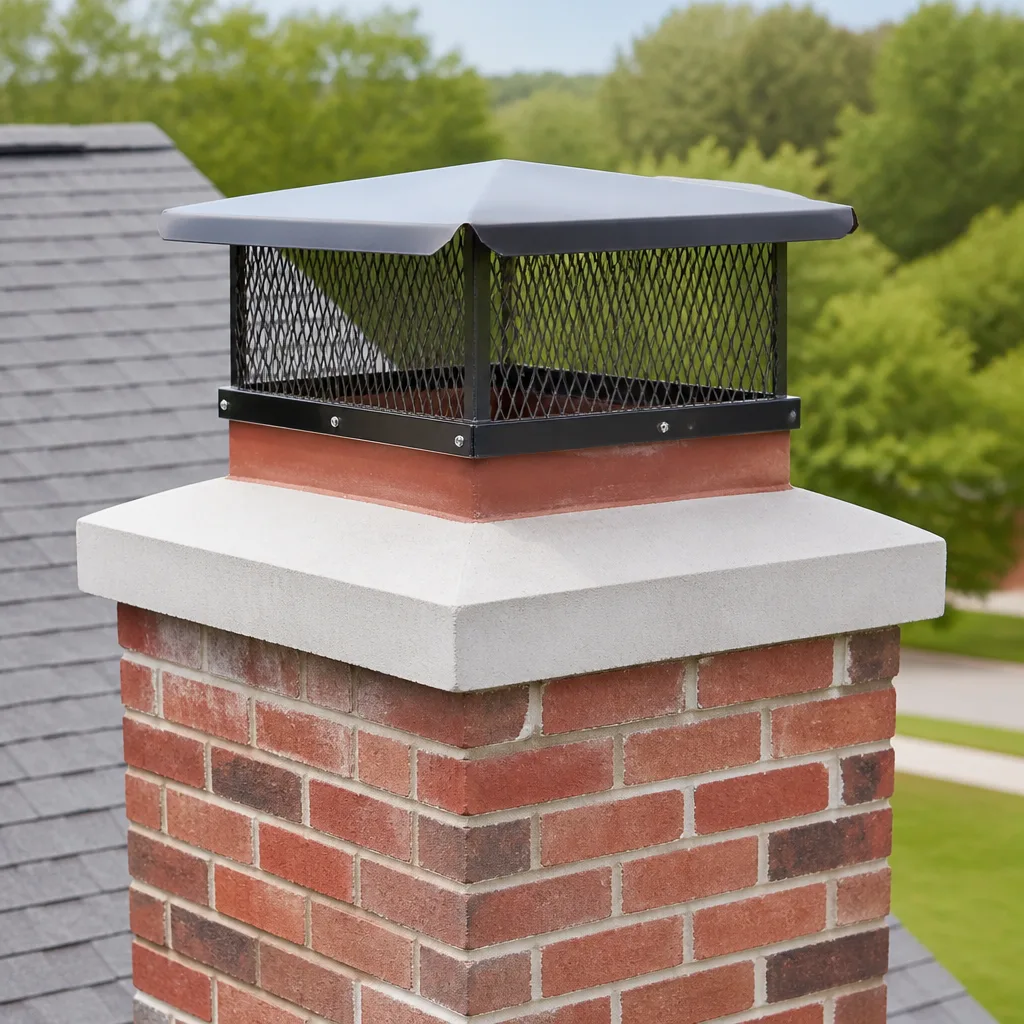 Caps & crowns
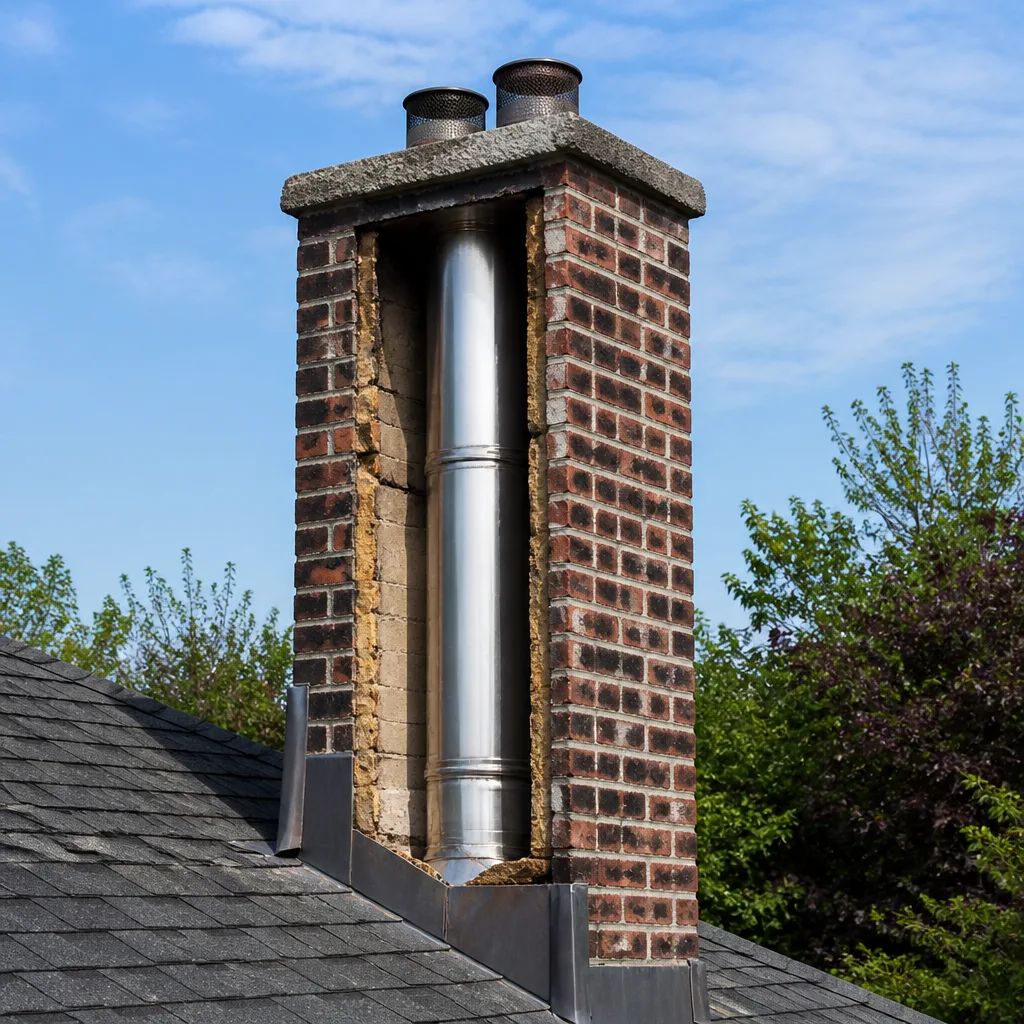 Flue relining
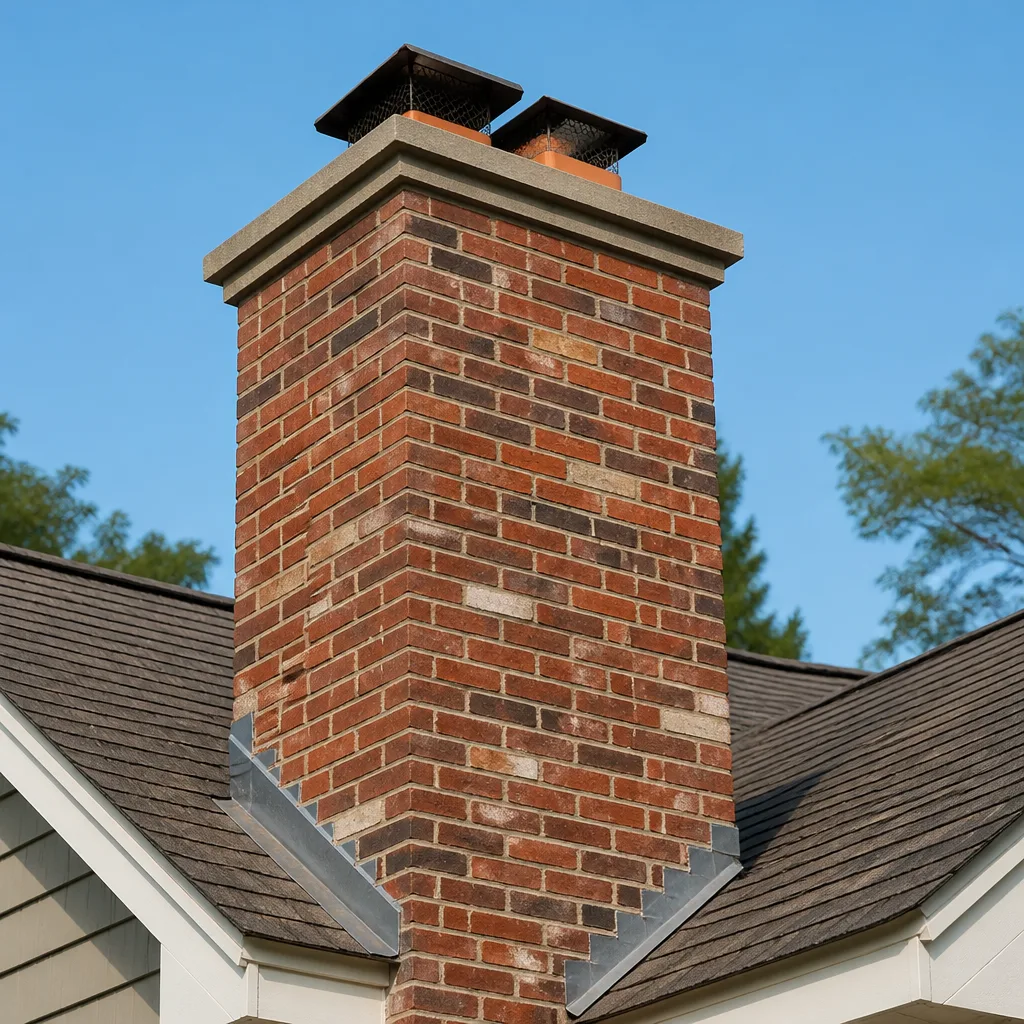 Masonry repair
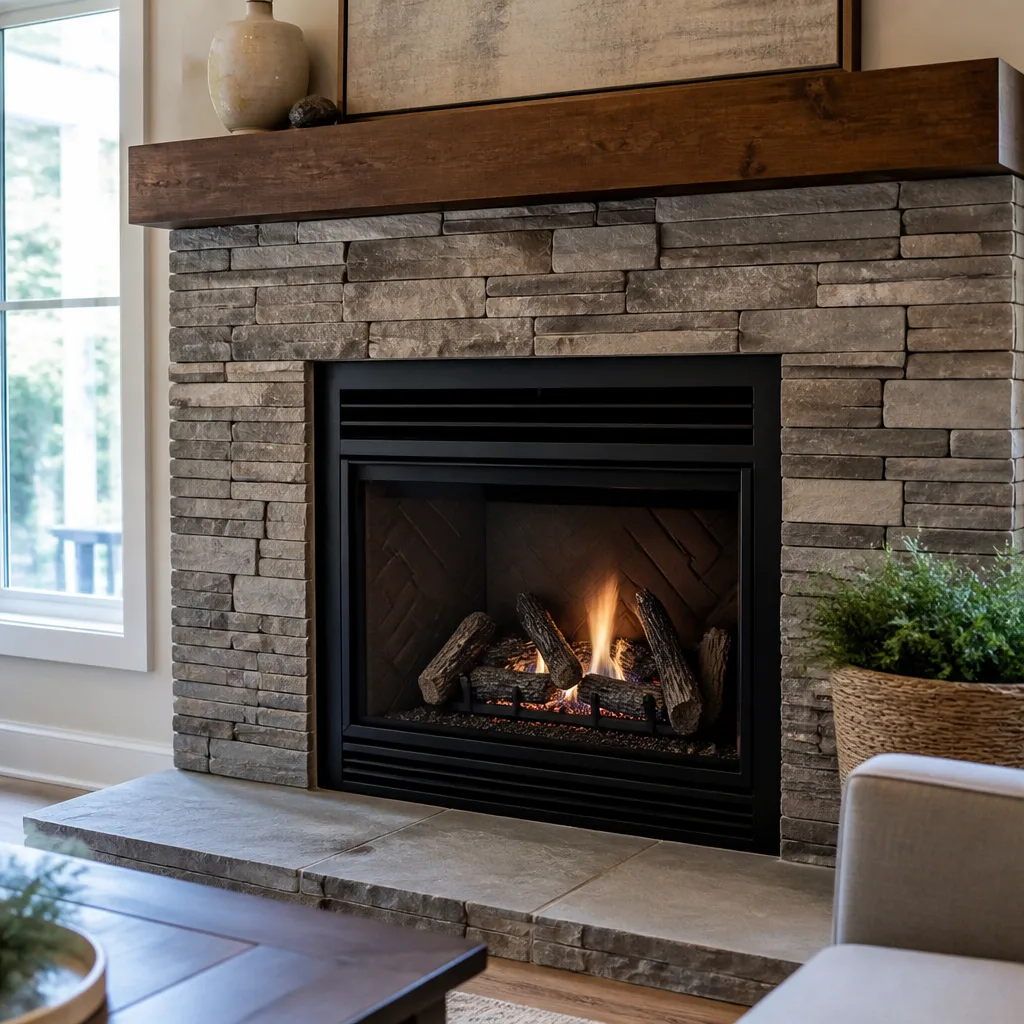 Gas fireplace service
Level 1 sweep and inspection to the NFPA 211 annual standard - flue, crown, cap, and flashing checked and photographed
Chimney sweep logs do not sweep chimneys. They loosen some creosote - which then falls where a brush and vacuum still have to collect it.
Chimney Cleaning Permits, Codes & Inspections in Brea, CA: What You Need to Know
Most homeowners assume that any work on a chimney is just maintenance. That’s true for a sweep, but it stops being true the moment a liner, a crown rebuild, or a new appliance connection enters the picture. In California, those jobs fall under building code, and in Brea they may need a permit from the City before anyone touches the flue. What surprises people is where the line actually sits. A cleaning isn’t permitted; a liner installation usually is. A routine inspection isn’t; a real estate transfer inspection can trigger obligations. This guide walks through which chimney services in Brea need a permit, how NFPA 211 fits in, what the inspection levels mean, and how to find records when the previous owner left you nothing.
Quick Answer
In Brea, routine chimney cleaning and most inspections do not require a building permit, but structural chimney work, liner installation or resurfacing, and any new appliance connection generally do fall under California building code and City of Brea permit requirements. All professional work should follow NFPA 211, the national standard that governs chimney construction, inspection, and maintenance. The level of inspection (1, 2, or 3) is determined by what’s happening: routine service, a change in appliance or a property transfer, or a suspected problem requiring access behind the chimney structure.
Styles & brands we work with
- Sweep & inspection
- Caps & crowns
- Flue relining
- Masonry repair
- Gas fireplace service
Table of Contents
- Which Chimney Services Need a Permit in Brea?
- What Is NFPA 211 and Why It Governs Chimney Work in Brea
- How Title 24 and Local Fire Codes Interact With Chimney Installations
- The Three Inspection Levels and When Each Is Triggered
- Real Estate Transfer Inspections in Brea
- How to Request Chimney Work Records From the City of Brea
- What Documentation You Should Keep as a Homeowner
- Maintenance Versus Code Work: Where the Line Actually Sits
Which Chimney Services Need a Permit in Brea?
Routine cleaning is maintenance. Structural repair and new installations are construction. That’s the cleanest way to describe the permit line in Brea, and it matches how most jurisdictions in California treat chimney work. If a technician is sweeping soot and creosote out of an existing flue, no permit is involved. If that technician is installing a new flexible liner, rebuilding a crown, or connecting a new insert, the project is likely permit-required under the California Building Code as adopted by the City of Brea.
Here’s how the split generally works:
- No permit typically required: chimney sweeping, Level 1 or Level 2 camera inspection, cap replacement on an existing chase, minor firebox mortar touch-ups.
- Permit typically required: full liner installation (including a DuraFlex flexible liner retrofit), HeatShield resurfacing when it functions as a structural liner repair, crown reconstruction, masonry rebuild above the roofline, fireplace insert installation, and any change to the flue’s dimensions or venting configuration.
- Permit required by rule: converting a wood-burning fireplace to gas or installing a new appliance that vents through the chimney, since this changes how the system is classified under code.
In our experience, the confusion comes from the fact that liner resurfacing with HeatShield sits in a gray zone. It’s a repair, but it also changes the flue’s interior profile and is often the last line of defense before a full reline. When we recommend it in a Brea home, we tell the homeowner to confirm with the City’s building department whether they want the job permitted, and we describe the scope in writing so the permit, if any, matches what’s actually being done. If you’d like an initial inspection to know which category your job falls into, we can arrange that as part of a Chimney Sweep Brea visit and give you a straight answer before any permit is discussed.
What Is NFPA 211 and Why It Governs Chimney Work in Brea
NFPA 211 is the Standard for Chimneys, Fireplaces, Vents, and Solid Fuel-Burning Appliances. It’s the technical backbone of nearly every professional chimney job in California, and it’s what any competent sweep is using as the reference point when they inspect your flue. The standard covers how a chimney must be built, how clearances are set from combustible materials, how much creosote is acceptable, and what an inspector is supposed to look for at each level of service. When a chimney sweep in Brea tells you a liner is failing, NFPA 211 is why they’re saying that and what “failing” means in measurable terms.
What the standard actually requires from a sweep working in your home:
- Visually inspect the accessible portions of the chimney and appliance at every sweep, and note any deterioration.
- Use a camera where direct visual inspection is impossible (the flue interior above a damper, for example).
- Test the flue for proper draft and check for blockages, including bird nests and debris.
- Document the condition of the flue lining, crown, cap, and firebox.
- Report findings to the homeowner in writing and recommend next steps.
NFPA 211 is also what makes HeatShield and flexible-liner systems legitimate repair options rather than a sales pitch. The standard recognizes relining as a compliant repair when the original flue tile has failed. If a sweep tells you “you need a full reline” without referencing the standard, without camera footage, or without a written report, ask questions. The right liner for your flue is decided by what the standard actually requires, not by what’s easiest to sell.
How Title 24 and Local Fire Codes Interact With Chimney Installations
California’s Title 24 is the state’s energy code, and while most homeowners think of it as insulation and windows, it also touches chimney work whenever a new appliance is installed. When you install a wood or gas fireplace insert through an existing chimney, the appliance itself must be certified and vented correctly, and the installation has to be documented. Title 24’s reach in this area is about making sure the appliance is efficient and properly connected, not about the chimney’s cosmetic condition. In plain terms: if you’re adding or replacing an appliance, expect the documentation to matter.
On the fire code side, the Brea Fire Department operates under the California Fire Code, which is largely about clearances, spark arrestors, and the safe use of the appliance. That mostly comes into play with caps, crowns, and the ten-foot/two-foot rule for chimney height above the roofline – not quite code but the industry shorthand for how high a flue must terminate above a roof surface and any nearby obstruction. Those clearances are set to keep smoke from being pulled back into the house, and they’re one of the reasons a chimney cap and crown installation is more than a cosmetic add-on. A poorly fitted cap or a crown that has eroded can fail these clearances and start letting draft work against you.
When we take on a chimney repair project in Brea, we build the repair around those clearances, not around what’s easiest to install. That means when a crown has cracked and water is getting into the flue, the fix is a properly pitched replacement, not a bead of caulk. And when HeatShield or a Copperfield component is specified, it’s because it’s the right fit for the flue’s dimensions and the code requirements, not because it’s the cheapest option.
The Three Inspection Levels and When Each Is Triggered
NFPA 211 defines three levels of chimney inspection, and which one applies depends entirely on what’s happening at the property. The levels aren’t a sales ladder; they’re defined triggers.
Level 1 Inspection
A Level 1 inspection covers the readily accessible portions of the chimney, appliance, and connection. No tools beyond a flashlight and basic probes are required. It’s the default for a routine sweep when the appliance hasn’t changed and there’s no reason to suspect a problem. Most annual maintenance visits in Brea are Level 1.
Level 2 Inspection
A Level 2 inspection adds access to the flue interior by camera or by opening the chimney at accessible points. It’s triggered whenever the appliance or fuel type changes, after an operational problem like a chimney fire or a smoking event, after an earthquake or other event that could have shifted the chimney, and at real estate transfer. In practice, a Level 2 is what you want if you’ve recently bought a Brea home and don’t know its history.
Level 3 Inspection
A Level 3 inspection is the most invasive and is triggered when a Level 1 or Level 2 reveals a hazard that can’t be assessed without opening concealed parts of the chimney or building. It may involve removing drywall, masonry, or roofing. It’s rare, but when it’s needed, skipping it risks missing a dangerous defect.
Ask for the level in writing before the visit. A sweep should be able to say which level applies and why. If the level keeps changing once they’re on the roof, that’s a red flag.
Real Estate Transfer Inspections in Brea
In California real estate transactions, the chimney is one of the items that routinely comes up during disclosure. A purchase contract typically gives the buyer a window to conduct inspections, and a chimney assessment done during that window should be a Level 2. That’s the level NFPA 211 defines as appropriate for a change of occupancy, and it’s the one that gives the buyer visibility into what’s actually inside the flue.
Two scenarios come up again and again in Brea:
- You’re the seller. Get a Level 2 done before listing if you don’t have recent records. It gives you a written condition report to hand over and prevents a late-stage surprise after the buyer’s inspector flags something.
- You’re the buyer. Ask the seller for any chimney documentation before you sign, and if none exists, request a Level 2 as part of your inspection contingency. If the report shows an issue, you can negotiate with the actual findings in hand.
What you’re looking for in either case is the same: camera footage, a written report of findings, and a clear statement of whether the flue lining is intact at the time of inspection. A cheap visual look isn’t the same thing, and the difference matters most at the moment a sale closes.
How to Request Chimney Work Records From the City of Brea
If you own a Brea home that’s more than a few years old, there’s a decent chance some chimney work happened before you bought it. Finding out what was done – and whether it was permitted – takes a few steps.
- Contact the City of Brea’s Building and Safety Division. Ask for a permit history for your property address. Most cities can provide a permit search by address, sometimes through an online portal and sometimes by request at the counter or by email.
- Request copies of any permits that touch the chimney. That includes liner installs, fireplace insert permits, crown or masonry rebuild permits, and anything filed as a fireplace alteration.
- Ask for inspection records associated with those permits. A permit that was pulled but never finaled or inspected is a flag, not a reassurance.
- Ask if any open permits exist on the property. An unclosed chimney permit can hold up a future sale, and it’s easier to resolve now than during escrow.
- If no records exist, request a Level 2 inspection to establish a baseline. Absence of records doesn’t mean absence of work – it just means the condition has to be verified directly.
Lead times at any building department vary by workload, so if you’re on a transaction timeline, start early. While you wait for records, an inspection can tell you the flue’s actual condition, which is ultimately what matters more than a permit folder.
What Documentation You Should Keep as a Homeowner
Good records are worth more than most people realize until a sale, an insurance claim, or a repair comes up. Whether you’ve had a simple annual cleaning or a full liner installation through a DuraFlex or HeatShield system, keep the paper trail.
- Every inspection report – including the level of inspection and the inspector’s name and the company.
- Camera footage when the flue was scoped. Save the file, not just the report.
- Permit numbers and final inspection dates for any permitted work.
- Material specifications for any liner, cap, or crown installed, including the brand (Copperfield, Gelco, Olympia Chimney, Famco, DuraFlex, HeatShield – whatever was actually used).
- Date stamps on every sweep, so you can tell a future buyer or insurer when the chimney was last serviced.
If you don’t have records from before your ownership, a Level 2 inspection now becomes your starting point. From that point forward, keeping everything is on you. We make it easy by providing camera evidence and a written report on every inspection, so the next homeowner – or the next technician – has something to work from.
Maintenance Versus Code Work: Where the Line Actually Sits
The simplest test is: does the work change the chimney’s structure, venting, or appliance connection? If yes, it’s likely a permit-required job under California code. If no, it’s maintenance. Cleaning is maintenance. A Level 1 or Level 2 inspection is maintenance. A cap on an existing chase is borderline in some jurisdictions but commonly treated as maintenance. A new liner, a rebuilt crown, a firebox rebuild that changes clearances, or a new insert – those are code work.
What this means for planning: budget for the permit when the job requires it and ask your chimney professional to tell you up front which side of the line the job falls on. Skipping a permit on a permitted job is the kind of shortcut that surfaces at the worst moment. If you’re not sure whether your situation involves maintenance or code work, the cheapest way to find out is a proper inspection – and if you want it done alongside a chimney sweep, we can pair the two so you get a clean flue and a written answer in one visit. If the findings point toward a fireplace repair, we handle that work ourselves, so the person who found the issue is the person who fixes it.
Common Mistakes to Avoid
- Assuming all chimney work is “maintenance.” A liner installation isn’t a cleaning. Treating it as one can skip a permit that a future buyer’s inspector will notice.
- Skipping the Level 2 when buying a Brea home. A visual look during a walkthrough isn’t a Level 2. The flue interior has to be scoped by camera to know what’s actually there.
- Not asking for the inspection level in writing. If a sweep can’t tell you which level they’re doing and why, the report you get may not cover what you need.
- Letting a sweep install a new liner without a written scope. The scope is what the permit and the final inspection are checked against. Without it, you can’t verify what was done.
- Ignoring prior records. A permit that was pulled but never finaled can hold up a sale. Ask the City of Brea directly.
- Trusting a brand name over a written report. DuraFlex, HeatShield, Gelco, Copperfield – these are good materials, but the right product for your flue is decided by the inspection, not the label.
- Treating the cap and crown as optional. They’re what keeps water and animals out. When they fail, the flue fails next.
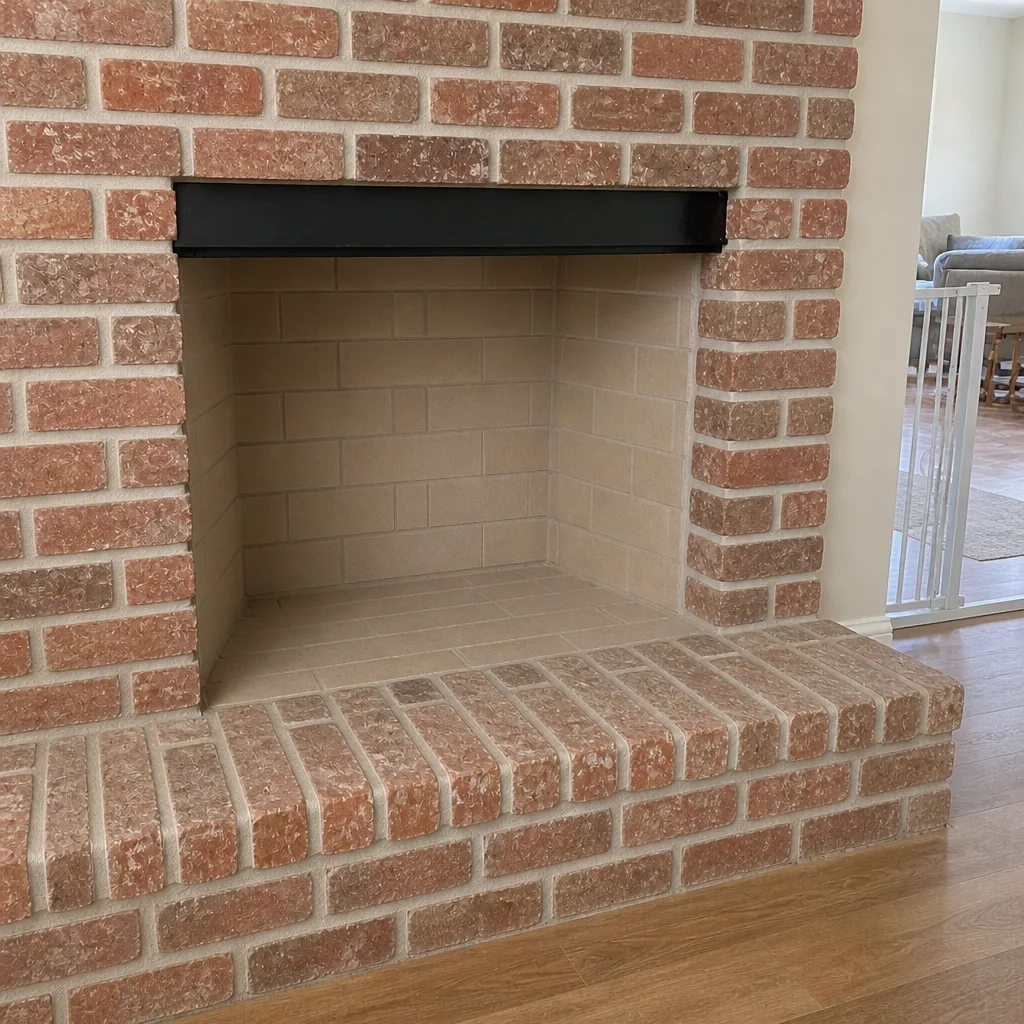
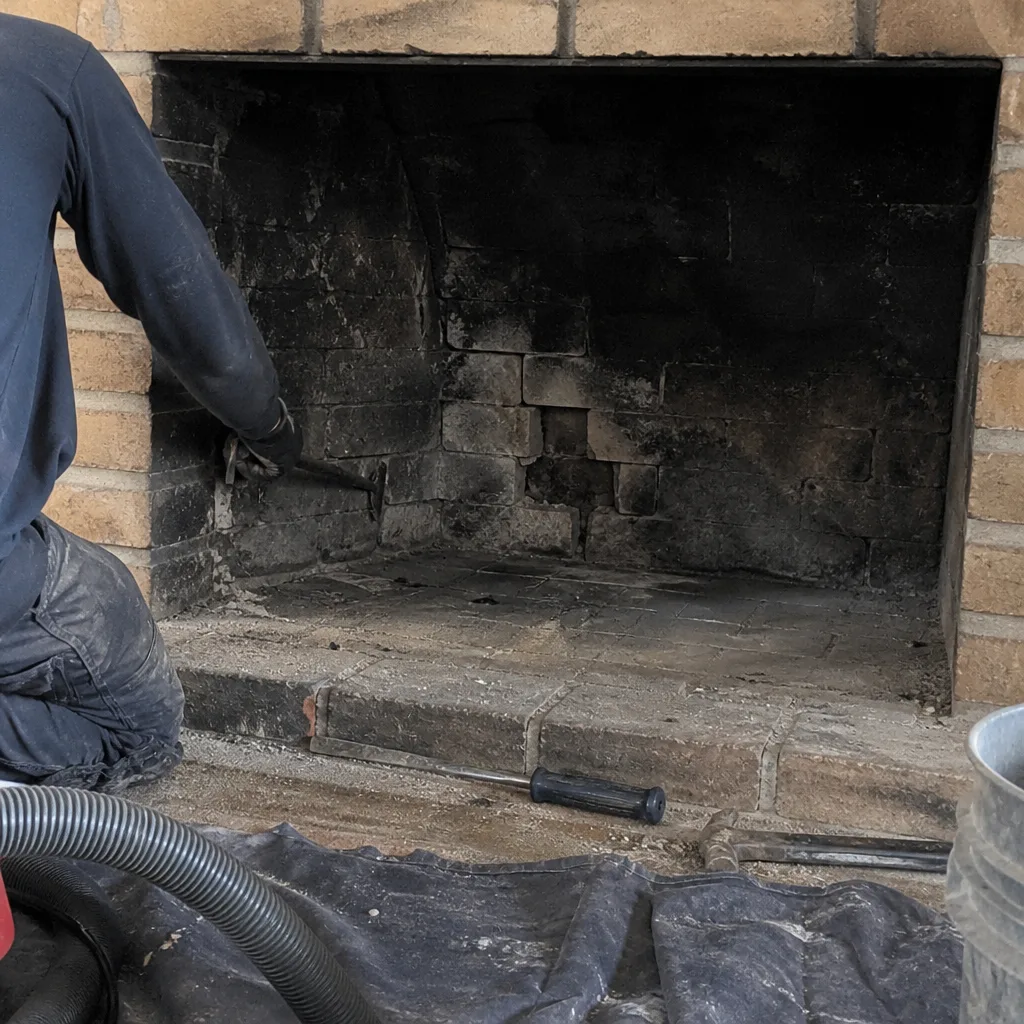
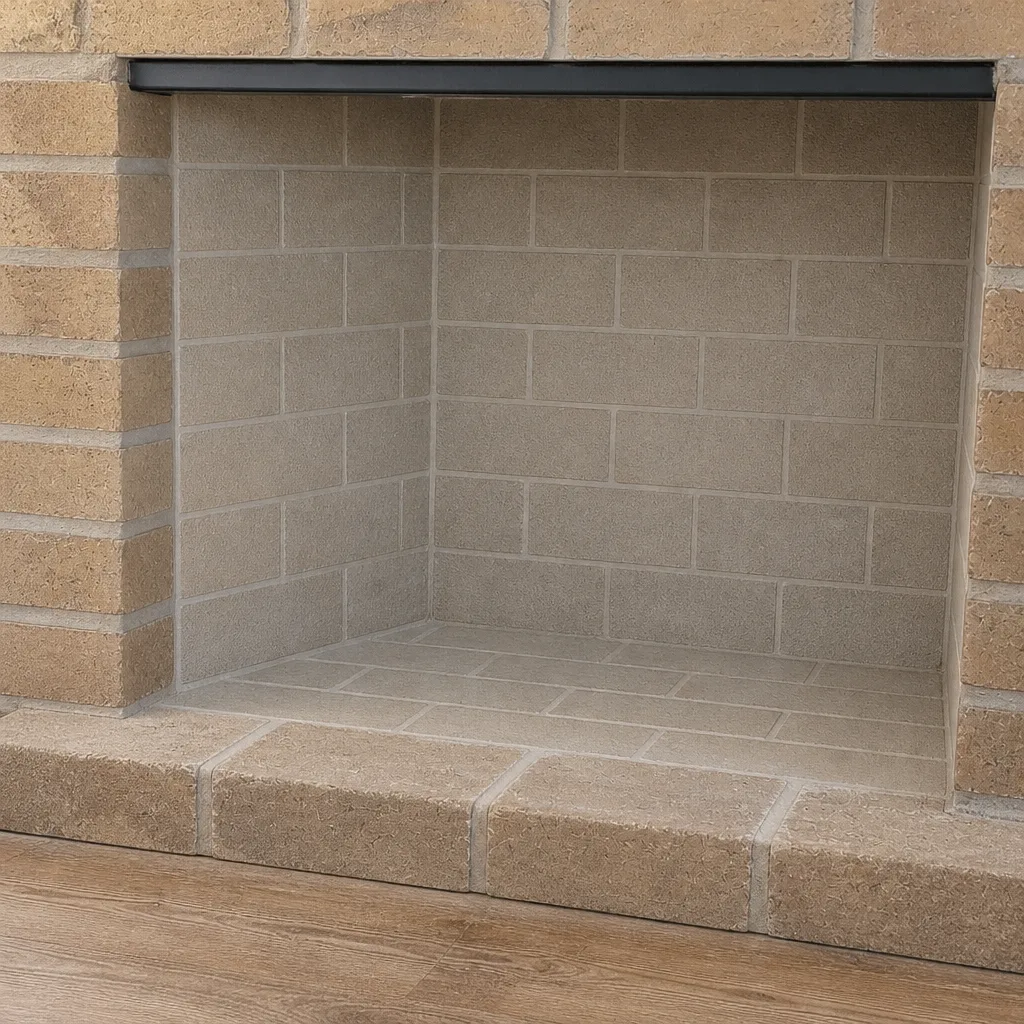
See the difference
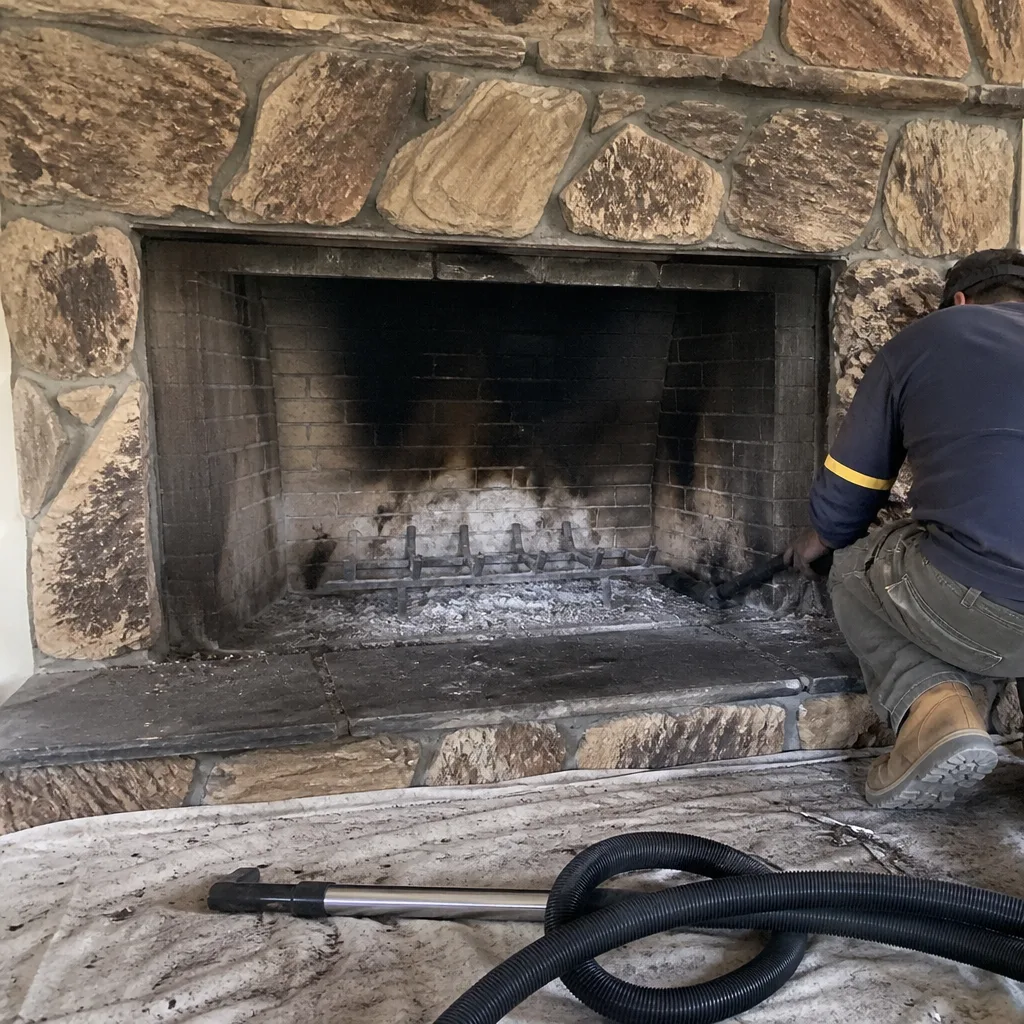 Before
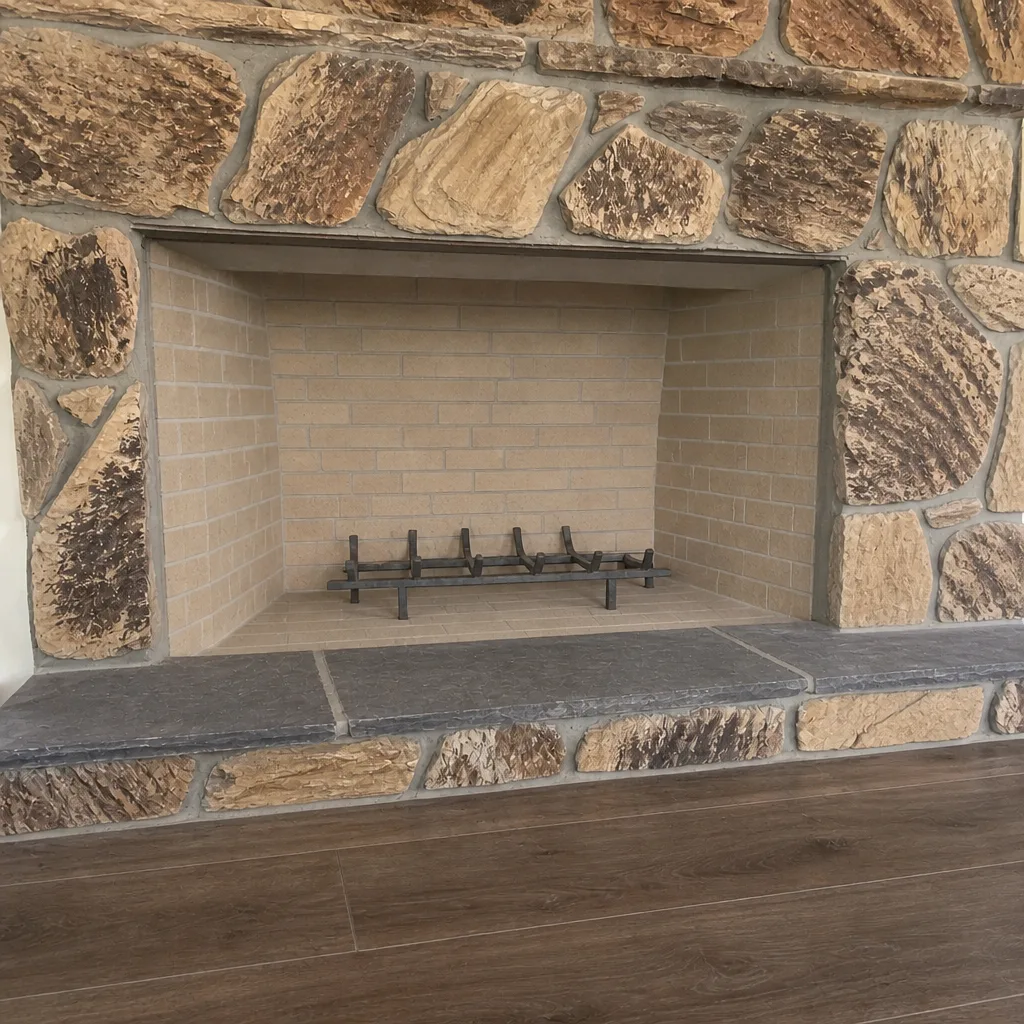 After
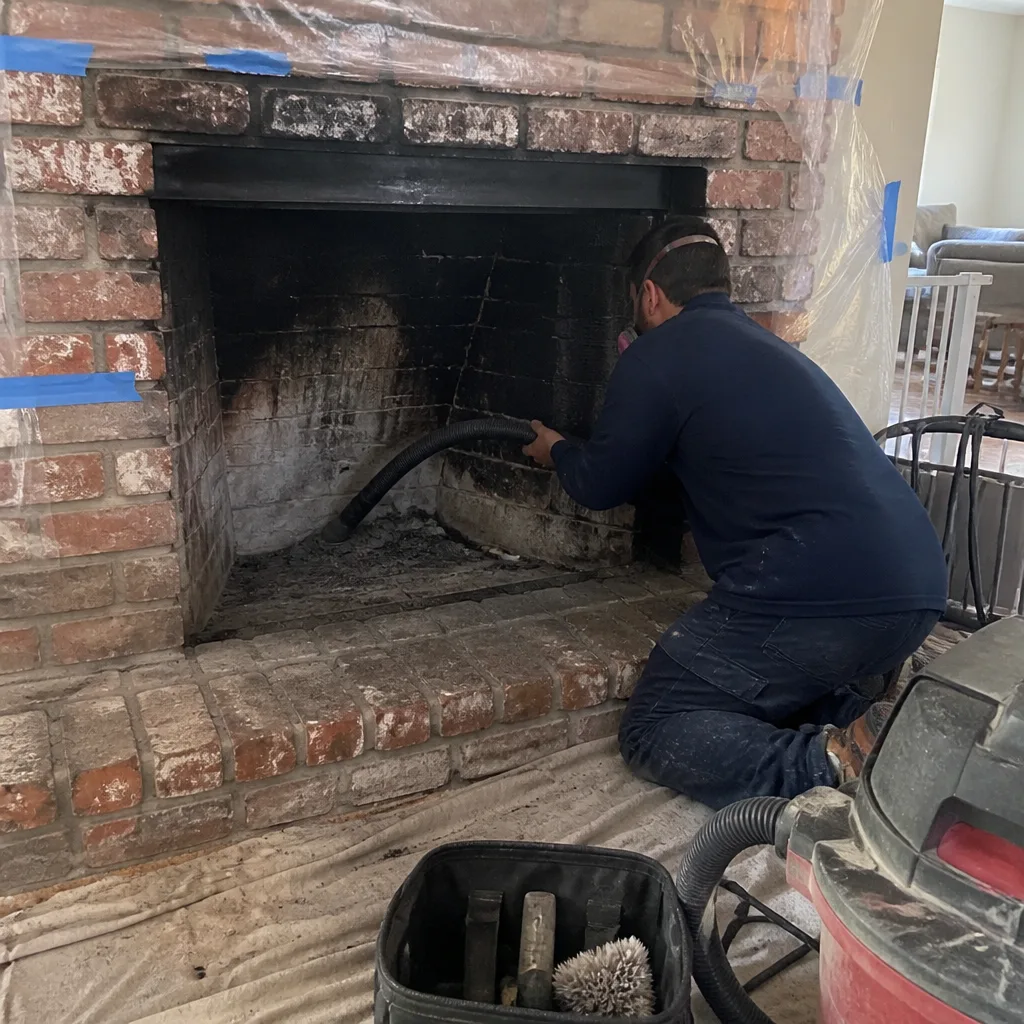 Before
 After
 Before
 After
When to Call a Professional
Call a professional when the flue has never been scoped, when a smoking fireplace has been an ongoing problem, when you’re buying or selling a Brea home, or when an unpermitted liner shows up in a records search. Call when a crown has cracked badly enough that water is visibly running down the flue. Call when the cap has come off and you can’t be sure what’s gotten in. Call when a gas conversion or insert is on the project list, because that’s squarely in permit territory. Chimney Sweep Brea offers free estimates in Brea – call (877) 792-7505. We answer 24/7, and fast dispatch from 7am to 7pm Sunday through Friday.
Frequently Asked Questions
No. Routine chimney cleaning is maintenance under California code and does not require a building permit in Brea. The permit question only comes up when the work changes the chimney’s structure, its flue dimensions, or its appliance connection – a liner installation, a crown rebuild, or a fireplace insert, for example. If you’re unsure which category your job falls into, an inspection will tell you, and we recommend asking the City of Brea’s building department directly for anything borderline. Call (877) 792-7505 for a free estimate.
NFPA 211 is the national standard for chimneys, fireplaces, vents, and solid fuel-burning appliances, and it’s the reference that governs professional chimney work in California. A competent sweep follows it by default – visually inspecting the accessible portions, scoping the flue when needed, checking draft, and documenting the condition of the lining, crown, cap, and firebox. If a sweep can’t tell you what standard they’re working from, that’s a signal to ask more questions. Call (877) 792-7505 for a free estimate.
NFPA 211 defines a change of occupancy – which is what a home sale is – as a Level 2 trigger. It’s not that a city ordinance compels it; it’s that a Level 2 is what a buyer’s inspector will expect, and it’s what gives you a written condition report to hand over. Getting one before you list is the lower-stress path. Call (877) 792-7505 for a free estimate.
Usually. Contact the City of Brea’s Building and Safety Division and request a permit search for your property address. Ask for the permits themselves, the inspection records associated with them, and confirmation that no open permits remain. If no records exist, a Level 2 inspection establishes the current baseline, which is what matters most. Call (877) 792-7505 for a free estimate.
Get it inspected first, and if the installation looks sound, ask the City of Brea whether they’d accept a retroactive permit application with documentation from a licensed professional. That’s a city-by-city call, so the building department has the real answer. What you don’t want to do nothing – a later buyer’s inspector will find it and ask the same questions. Call (877) 792-7505 for a free estimate.
Yes, in nearly every case. An insert installation changes the appliance connection and the venting configuration, which puts it in permit territory under California building code, and the appliance itself needs to be certified and correctly vented. Title 24 documentation also comes into play. If a technician tells you an insert can go in without a permit, that’s a second opinion worth getting. Call (877) 792-7505 for a free estimate.
The Bottom Line
The line between maintenance and code work is the whole story here. Cleaning and inspection are maintenance. Structural chimney repair, liner installation or resurfacing, and any new appliance connection are code work, and in Brea they may need a permit from the City. NFPA 211 governs how the work is done, and its three inspection levels decide what gets scoped and what doesn’t. If you’re buying, selling, or just don’t know what prior owners did, a Level 2 is the fastest way to know your chimney’s real condition. If you need a records search, start with the City of Brea’s building department. If you want the inspection itself, we’re a phone call away.
Call (877) 792-7505 for a free estimate. We answer 24/7, and fast dispatch from 7am to 7pm Sunday through Friday. Our technicians have up to 13 years of experience, and every inspection comes with camera evidence and a written report so you know exactly what’s happening inside the flue before any work is recommended.
Written by the team at Chimney Sweep Brea.