
Last updated November 25, 2026
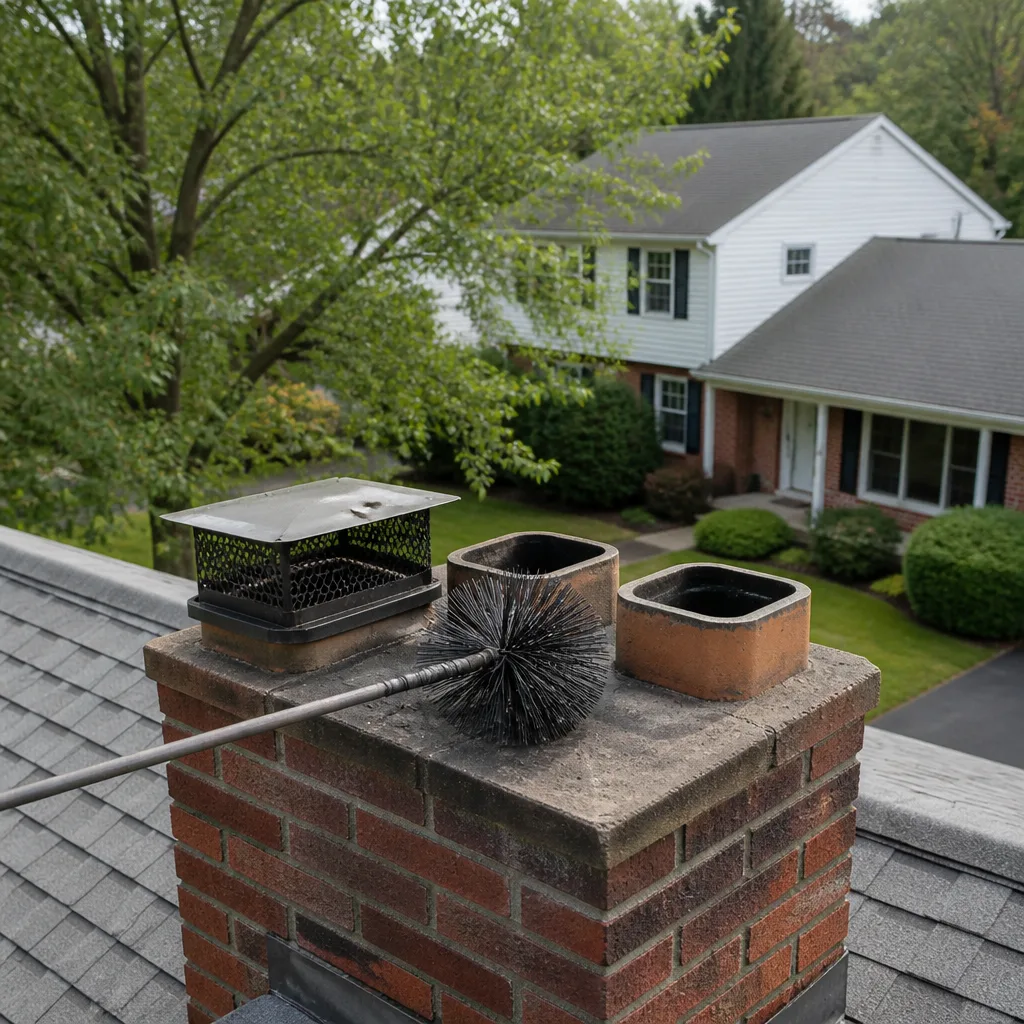 Sweep & inspection
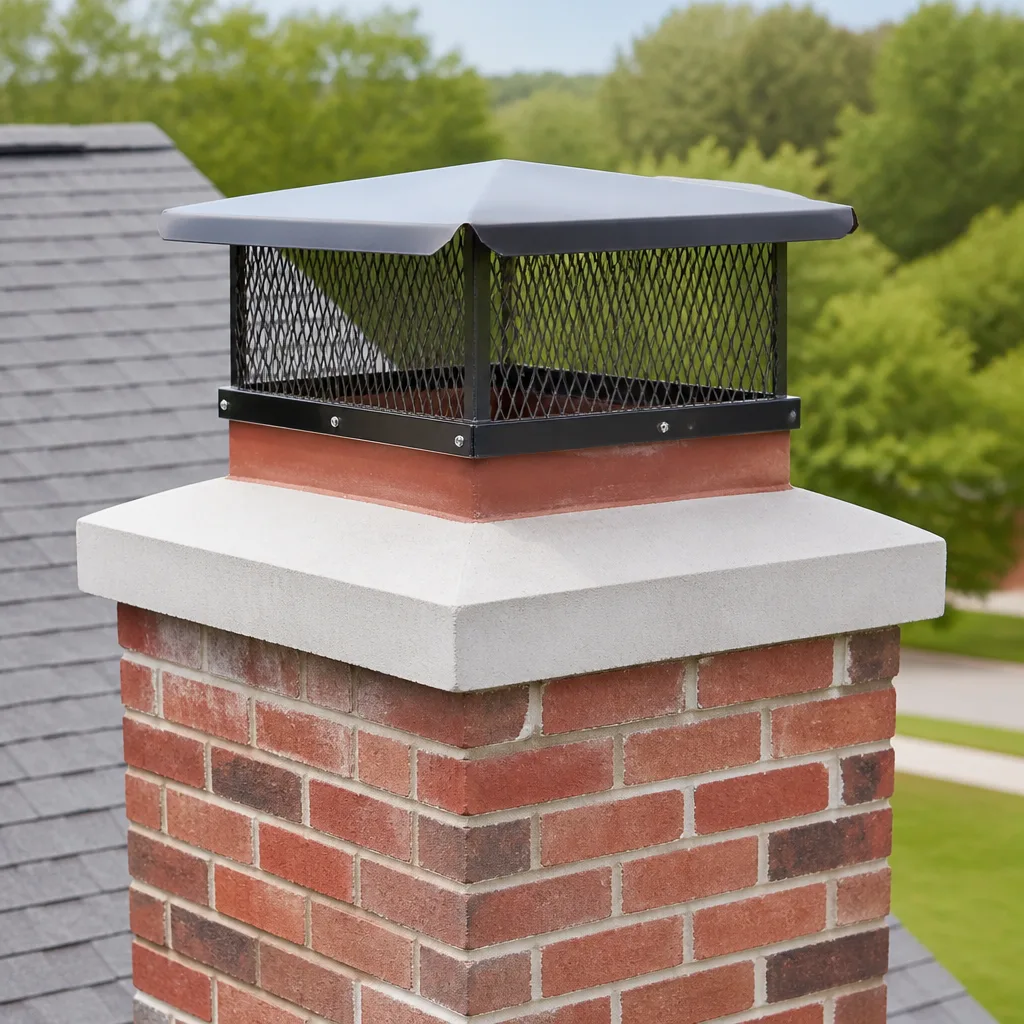 Caps & crowns
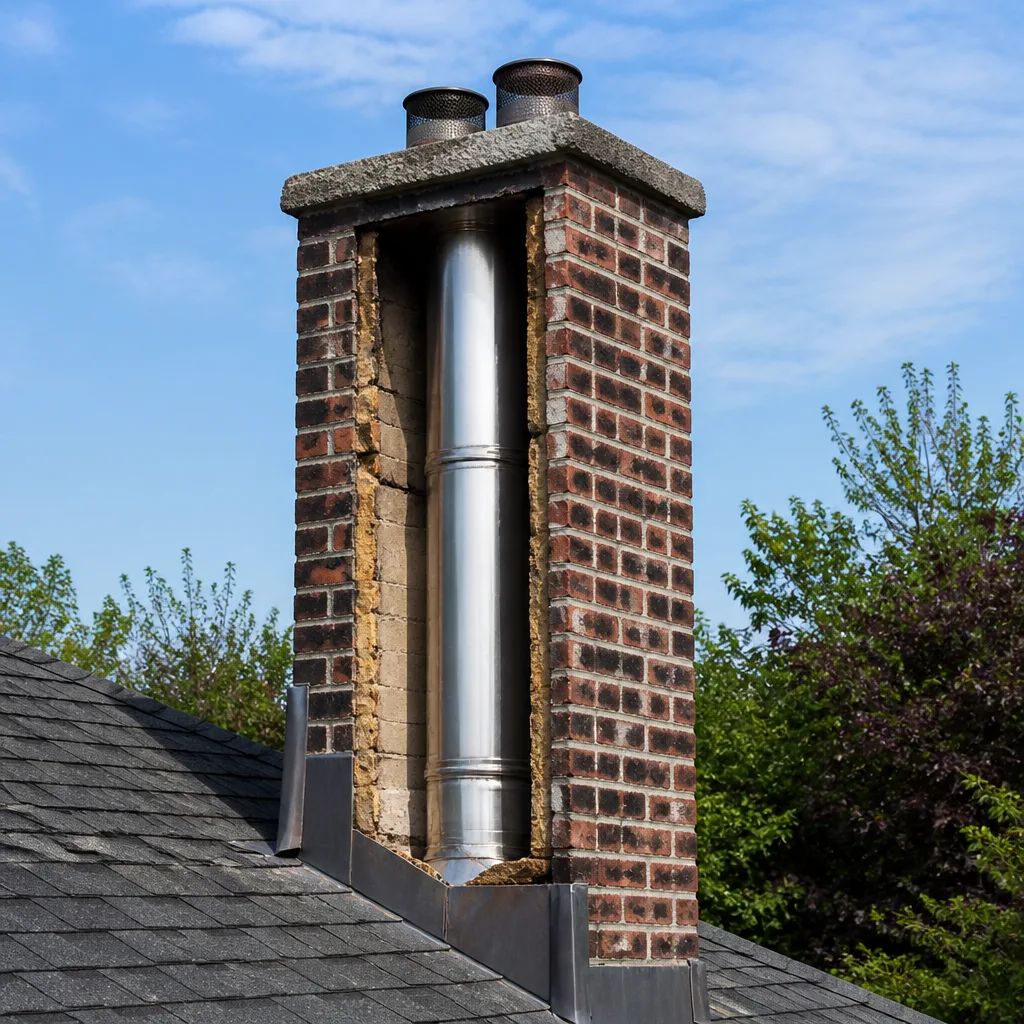 Flue relining
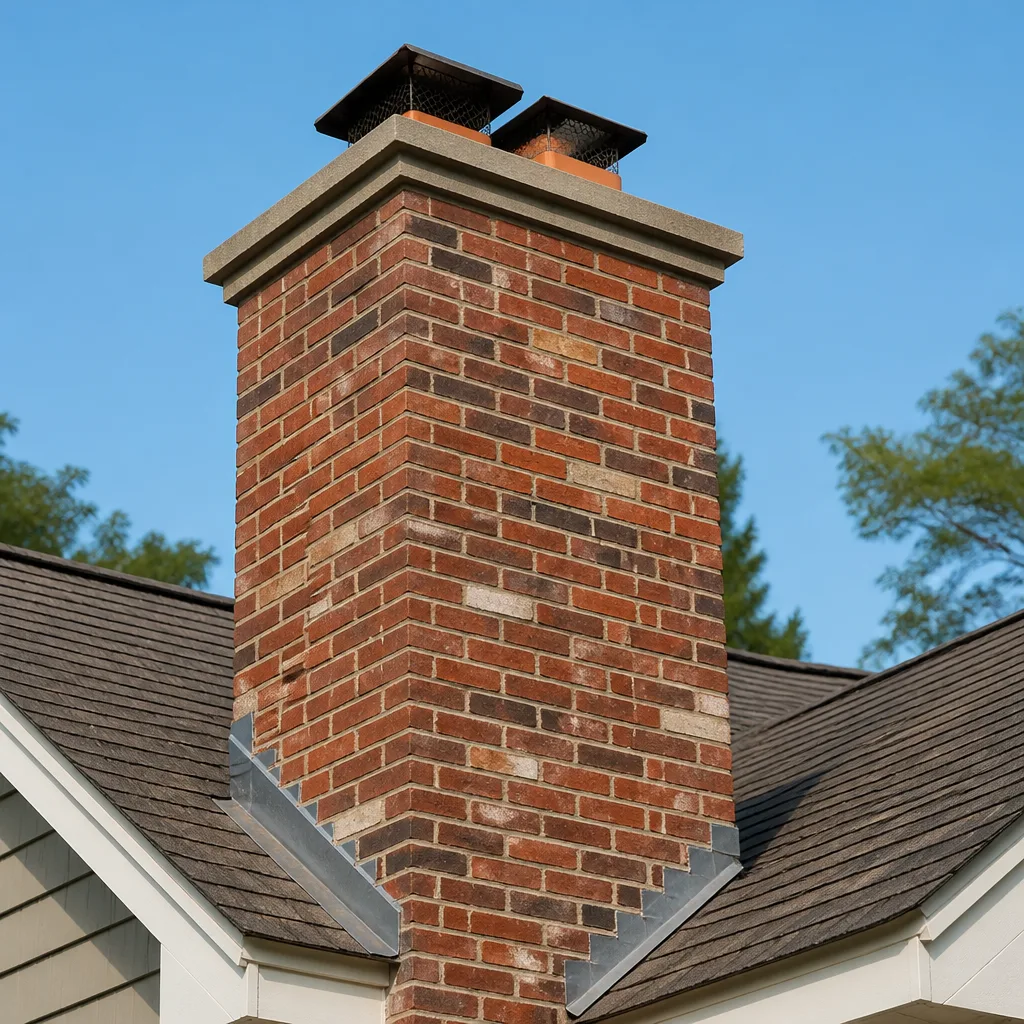 Masonry repair
 Gas fireplace service
Level 1 sweep and inspection to the NFPA 211 annual standard - flue, crown, cap, and flashing checked and photographed
Chimney sweep logs do not sweep chimneys. They loosen some creosote - which then falls where a brush and vacuum still have to collect it.
Chimney Cleaning Emergency Preparedness Guide for Brea Homes
A chimney fire often burns for several minutes before anyone in the house knows it is happening. Creosote in the flue can ignite at around 451°F, and within the first minute that heat is already working on tile liner sections, with the potential to transfer through to adjacent wood framing long before smoke reaches a living room. That gap between ignition and detection is the entire reason this guide exists: a Brea homeowner who knows the early signs and the response sequence can interrupt the escalation at several points instead of learning about the damage afterward. We cover how to recognize a fire in progress in both masonry and prefab systems, the right immediate actions, post-earthquake inspection protocol for our seismic zone, carbon monoxide failure modes, and what to document for an insurance claim.
Quick Answer
A chimney fire emergency in Brea follows a predictable sequence, and most of the damage happens in the first minutes: cut the air supply if you can do it safely, get everyone out, and call 911 if you see flames, hear roaring, or smell strong smoke. After any fire event, any earthquake that shakes the house, or any sign of carbon monoxide, the chimney needs a Level 2 inspection before the fireplace is used again. Knowing the signs and the sequence now is what makes the difference later.
Styles & brands we work with
- Sweep & inspection
- Caps & crowns
- Flue relining
- Masonry repair
- Gas fireplace service
Table of Contents
- How to recognize a chimney fire in progress
- The immediate response sequence for a chimney fire
- Masonry versus prefab: why the signs differ
- Post-earthquake chimney inspection for Brea’s seismic zone
- Carbon monoxide: the three failure modes that cause infiltration
- What to document for your insurance carrier
- Why a Level 2 post-event inspection matters
- Prevention before burning season starts
How to recognize a chimney fire in progress
Not every chimney fire announces itself with flames out the top. Some are slow, hot, and quiet, and the signs show up as sounds and smells inside the house rather than anything visible from the yard. In our experience, the fires that do the most damage are the ones nobody knew about until an inspection turned up cracked tile or warped components.
Listen for a low, persistent roar that sounds more like a distant freight train or a dull rumble than a crackling fireplace. A popping or tapping noise is also a warning sign; that sound can come from expanding metal components or from creosote flaking off the flue walls as it burns. Look for dense smoke pushing out of the top of the chimney, or smoke spilling into the room when the damper is open. Smell is the most overlooked signal: a hot, acrid, tar-like odor in the house or outside near the chimney often means creosote is burning somewhere in the system.
Visible signs to check
- Puffy, honeycombed creosote inside the firebox or at the top of the flue, which is a sign of a past fire
- Warped or discolored metal on a prefab chimney cap or termination
- Cracked or spalled tile visible in the flue during a flashlight check from below
- Heat-damaged roofing or a discolored chase cover near the chimney top
- A television antenna, cable, or nearby vegetation with singed or melted parts
If you suspect a fire has already happened and gone out, do not light another fire. A chimney that has survived one fire often has damaged liner sections that are no longer rated for heat. That’s the moment to book a chimney sweep and inspection, not a repair-after-the-next-fire appointment.
The immediate response sequence for a chimney fire
The counterintuitive move that surprises homeowners is this: in some scenarios, opening the damper fully is the right first step. A hot, starved fire can send flames and heat back through cracks in the flue if the air supply is choked off too abruptly. Opening the damper lets the fire burn up and out the top rather than pushing sideways through damaged masonry. That advice only applies to a fire you can safely reach and only if the damper is not damaged or stuck. It is not a substitute for calling 911.
Here is the sequence we recommend when you believe a chimney fire is in progress:
- Get everyone out of the house first. People before property, every time.
- Call 911. Do not wait to see whether the fire is serious. Fire crews can confirm what’s happening and prevent extension into the framing.
- If you can safely reach the damper and the fire is small and contained, open it fully. Do not stand near the fireplace to do this if flames or heavy smoke are already visible.
- Close the glass doors or fireplace screen after opening the damper, to keep embers and smoke inside the firebox.
- Do not pour water on the fire. Thermal shock to a hot flue is exactly how you turn a liner problem into a structural one.
- Once the fire is out, do not use the fireplace again until a Level 2 inspection has been completed.
The other thing to know is that you may not know. Many chimney fires self-extinguish before the fire department arrives, and the house looks normal afterward. Only an inspection reveals whether the liner survived.
Masonry versus prefab: why the signs differ
A masonry chimney and a prefabricated metal chimney fail differently under fire conditions, and the signs you’ll see reflect that. This matters for Brea homes because the housing stock is mixed: older masonry chimneys built into brick or block walls sit alongside newer prefab systems in tract homes and additions.
Masonry chimneys are typically lined with clay tile sections. A creosote fire can crack the tile at the mortar joints first, and a cracked joint lets heat reach the surrounding masonry and any wood framing in contact with it. Visible signs include spalling brick, a white chalky bloom on the exterior, cracked tile sections visible from below, and a smoky or tar-like odor that persists for days. Because masonry holds heat, damage can be silent for a long time, then show up as a cracked crown or a loosened flue tile a season later.
Prefab chimneys, usually a metal flue inside a wooden chase, have thinner components and less thermal mass. Metal parts can warp, and the gaskets and seals can fail, allowing heat transfer to the chase framing. On a prefab system, watch for a warped or discolored chimney cap, a loose or visibly damaged chase cover, and unusual noises in the chase after a fire. The metal components are rated for specific temperatures, and a fire that exceeds that rating means parts need replacement, not inspection alone.
In practice, this is why an inspection after any fire event has to identify the lining material first. On a masonry liner that’s still sound but pitted, a HeatShield resurfacing system can restore it without the cost of a full reline. On a prefab system, the answer is usually replacement of the affected section. We don’t know which one you have until we look, and that’s the point: the right repair depends entirely on what the fire did.
Post-earthquake chimney inspection for Brea’s seismic zone
Brea sits in an active seismic region, and a chimney is one of the most vulnerable parts of a house when the ground shakes. A masonry chimney is heavy, tall, and tied to the structure only at a few points. A quake can crack mortar joints, loosen the chimney-to-house connection, and shift flue tiles without leaving a visible crack from the ground.
We recommend a post-earthquake inspection before lighting another fire if the quake was strong enough that you felt it distinctly and it moved furniture or knocked items off shelves. A chimney can pass a visual check from the yard and still have internal damage. Here is what we check:
- The chimney-to-house connection. A gap, a leaning chimney, or a visible separation at the roofline is a serious sign.
- Mortar joints and brick courses. Stair-step cracking, loosened bricks, or spalled mortar at the shoulder of the chimney.
- The crown. Cracks that let water in and let the freeze-freeze cycle of seasonal weather work on the joints.
- Flue tile alignment. A camera inspection reveals offsets and cracks that no exterior look can find.
- The cap and chase cover. A shifted cap can open the flue to rain and animals.
If the chimney is leaning or separating, stop using the fireplace and get it looked at before the next fire. The good news is that most post-quake chimney issues we see are repairable if caught early, and a chimney repair plan can be built from what the inspection finds rather than from what a salesperson guesses.
Carbon monoxide: the three failure modes that cause infiltration
Carbon monoxide is the chimney problem that doesn’t announce itself. It’s colorless, odorless, and the signs (headache, dizziness, nausea, fatigue) are easy to mistake for a cold or the flu. In Southern California homes, there are three failure modes worth knowing, and all three show up in inspections.
Blocked flue. A bird nest, a fallen cap, a collapsed tile section, or soot buildup can obstruct the flue. The fire burns but the exhaust has nowhere to go, so it backs into the room. This is the most common cause we find on inspection.
Cracked liner. A crack or gap in the flue lining lets exhaust leak into the space around the flue, and if that space connects to the house, the CO finds its way in. A camera inspection is the only way to spot a crack in the upper sections of a liner.
Downdraft and negative pressure. A chimney needs to pull air up and out. If the house is tight and a range hood, dryer, or bathroom fan is running, the house can pull air down the chimney instead of up it, and exhaust spills into the room. This one often shows up as a fireplace that smokes when the fan is on rather than a persistent CO problem.
The practical check: install a CO alarm on every level of your home, test it, and treat any alarm as real until proven otherwise. Get out, call 911, and have the chimney inspected before using it again. If your fireplace smokes when the hood or dryer runs, that’s a draft issue, not a habit to live with. A fireplace repair visit can sort out damper and draft problems before they become a CO event.
What to document for your insurance carrier
Insurance claims after a chimney fire succeed or fail on documentation. The carrier needs to know what happened, when, and what’s damaged, and they want it in evidence, not in memory.
Here is the sequence we recommend for documenting after any chimney event:
- Photograph everything before anyone cleans it up. Interior firebox, damper, chimney top, chase cover, roofing around the chimney, and any smoke staining on the walls or ceiling.
- Keep the inspection report, not just the estimate. A Level 2 inspection report with photos and video is the document that proves what the fire did to the liner and surrounding structure. Ask for it in writing.
- Save the fire department incident number if they responded. It’s the neutral third-party record that carries weight with adjusters.
- Photograph the firewood and the firebox before you clean. How much and what kind of creosote was present tells the adjuster what kind of fire it was.
- Get the repair scope in writing, itemized by component, before your contractor talks to the carrier.
- Note the date and time of the event and any witnesses or neighbors who saw smoke.
We can work with your insurer. We’re not going to tell you what they’ll cover, but we can give you the report and photo evidence they’ll ask for.
Why a Level 2 post-event inspection matters
A Level 2 inspection is the one NFPA 211 calls for after any event that could have damaged the chimney, including a fire, a seismic event, or a change to the appliance or fuel type. It includes a camera inspection of the entire flue, not just a look from the firebox, plus a check of accessible portions of the chimney interior and exterior, and the installation clearances.
That camera inspection is what separates a real post-event report from a visual guess. A visual check from the firebox sees the bottom few feet. A camera run sees the full length, including the upper sections where tile cracks and warped metal concentrate after a fire. We’ve seen chimneys that looked fine from both ends and had cracked tile joints at mid-flue, exactly where the heat load is highest.
The other reason it matters: a Level 2 inspection gives you a baseline. If the chimney is damaged and you go through insurance, the report is the evidence. If it’s undamaged, the report says so, and you have a record for next season. Either way, you know what you’re dealing with before you light another fire. That’s the whole point of a post-event inspection, and it’s why we don’t skip it.
For Brea homeowners with a prefab system, the inspection also confirms whether the chase cover and cap are correctly sealed after the event. Water intrusion is a slow problem, and it follows a fire or a quake more often than people expect.
Prevention before burning season starts
Brea’s winters are mild, and that lulls people into a false sense of security. The fireplace still runs through the cool months, creosote still builds, and the annual cleaning still matters. The best chimney emergency preparation is the one you do before the first fire of the season, not after.
- Book a sweep before the first fire. A clean flue is the single biggest factor in preventing a creosote fire.
- Have the cap and crown checked. A loose cap invites animals and rain, and a cracked crown lets water into the masonry.
- Test your CO alarms before burning season. Replace the batteries and confirm every level of the home has one.
- Know your damper. Make sure it opens fully and closes snugly. A damper that sticks halfway is a draft problem waiting to happen.
- Inspect after any earthquake you felt distinctly. Don’t wait for the next fire to discover a crack.
- Use dry, seasoned firewood and avoid burning trash or green wood, which accelerates creosote buildup.
We care about the brands we install because repairs should last. A heat-rated liner from a manufacturer like Olympia Chimney or a DuraFlex flexible liner in a non-standard flue does what a generic substitute won’t. That’s how we think about the whole system: cap, crown, liner, firebox, and damper, all one system, all one inspection report. When we find a problem, the same specialist who identified it plans the fix.
Common Mistakes to Avoid
- Choking off a fire completely. Cutting all air to a hot fire can push flames and heat sideways through cracks. If you can safely reach the damper, open it fully and get out.
- Pouring water down the flue. The thermal shock can crack a hot liner or masonry. Water belongs on the fire after the fire department arrives, not before.
- Assuming it self-extinguished. A chimney fire can burn out on its own and still leave a cracked liner or heat-damaged framing. The damage doesn’t announce itself.
- Skipping the post-event inspection to save money. The inspection cost is small compared to what a second fire through a damaged liner can do.
- Lighting a fire after a noticeable earthquake without looking. A leaning chimney or a loosened mortar joint is visible from the roof, not from the sofa.
- Relying on a visual check instead of a camera. The upper flue is where damage hides. A flashlight from the firebox sees only the bottom few feet.
- Not documenting the event for insurance. Photos taken before cleanup and a written inspection report are what make a claim work.
See the difference
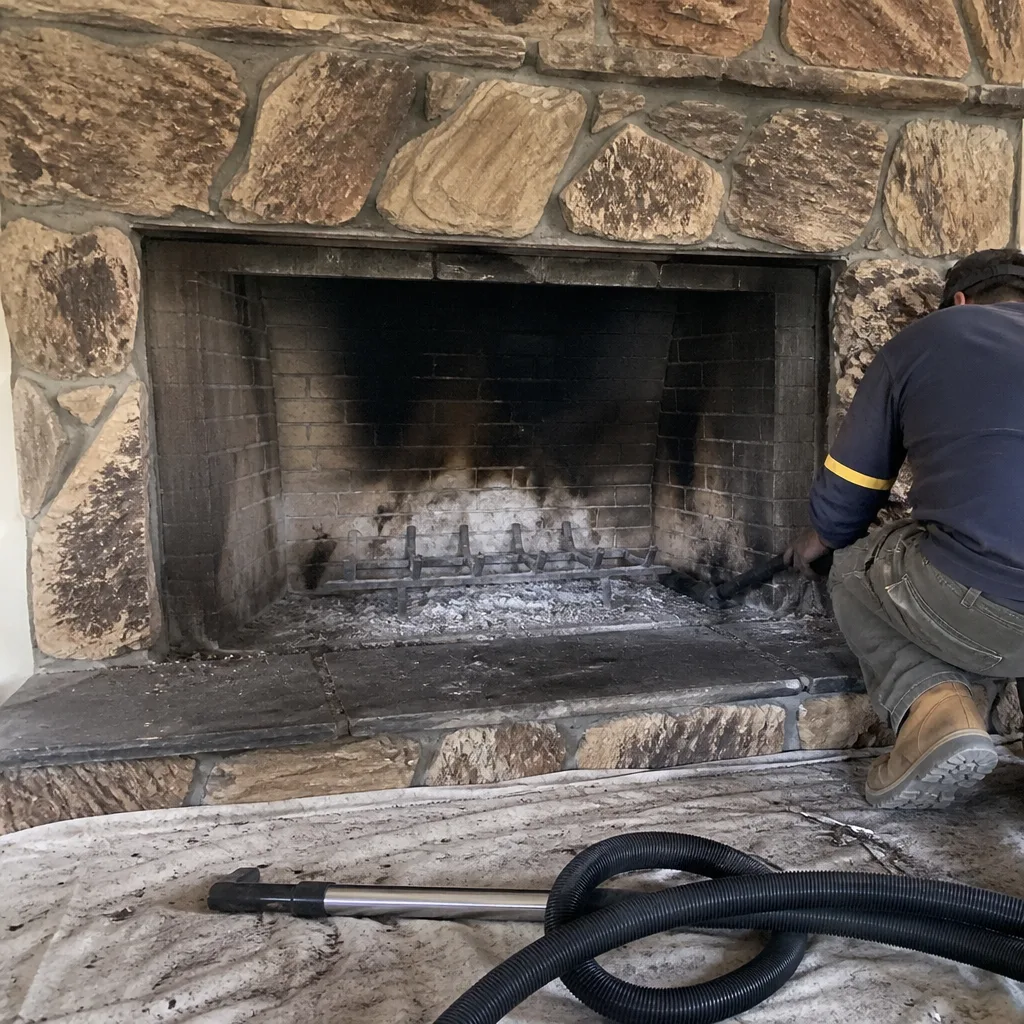 Before
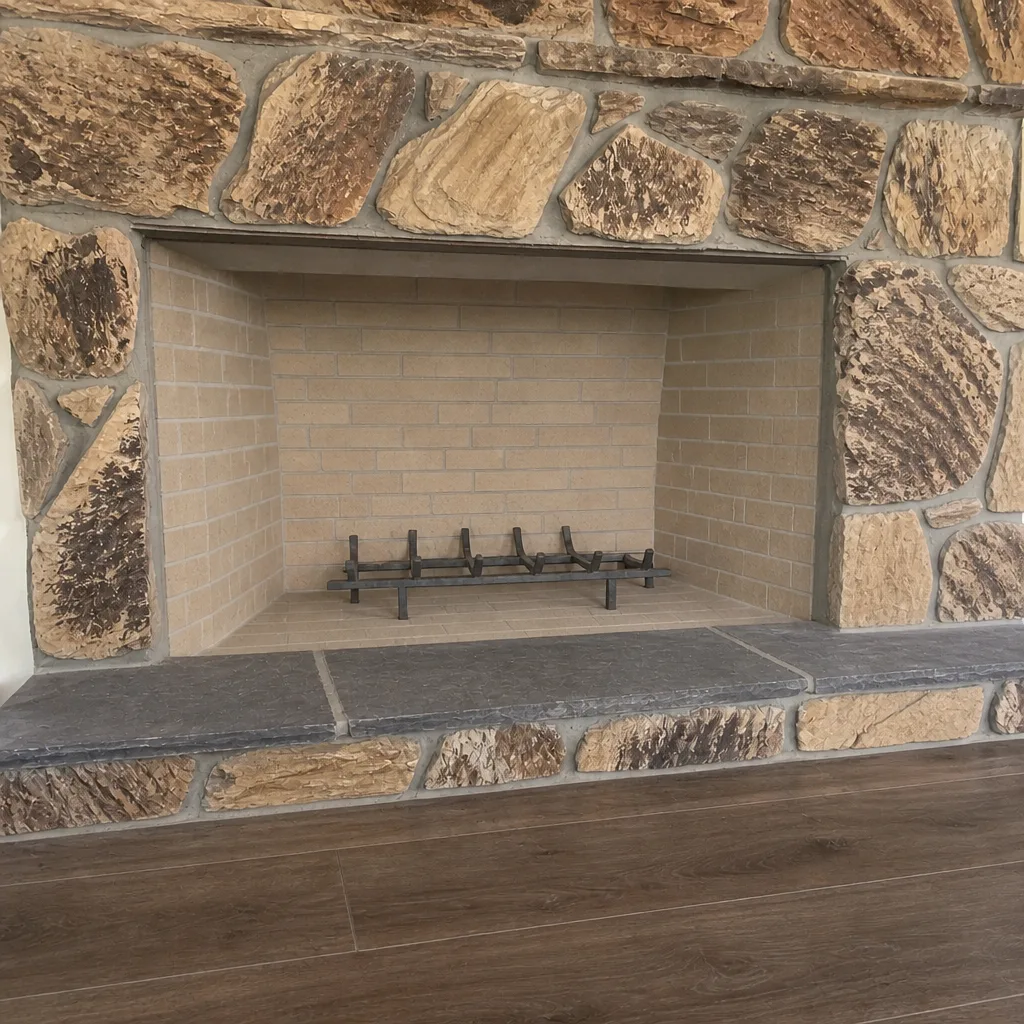 After
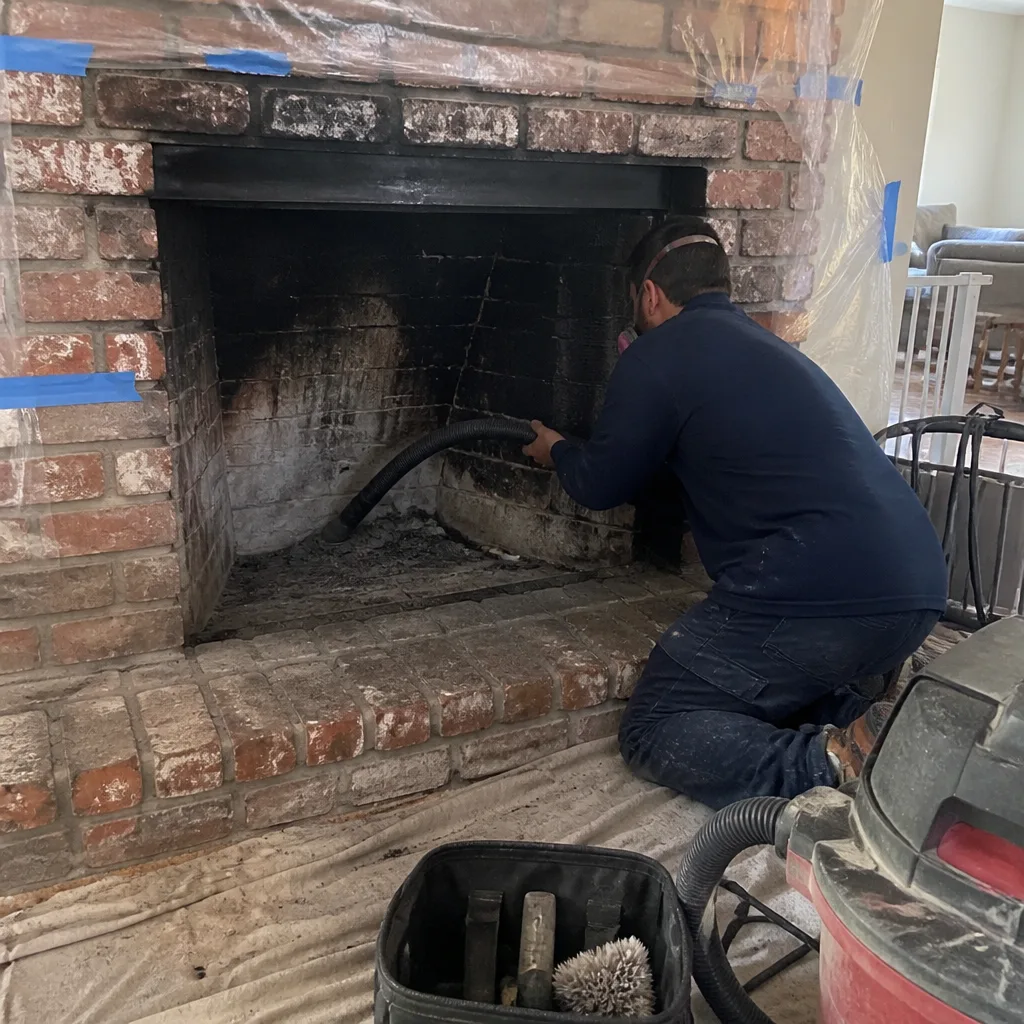 Before
 After
 Before
 After
When to Call a Professional
Call a professional chimney specialist after any fire event in the fireplace, after any earthquake that noticeably shook the house, after any CO alarm sounds, if you see cracking or spalling on the chimney exterior, if smoke backs into the room when the fire is burning, or if you hear animals or see debris in the firebox. Those are the situations where a camera inspection and a written report matter. Routine annual cleaning is the other one; a sweep before burning season is what keeps the whole system in check. Our technicians have up to 13 years of experience, and we work with professional-grade components from HeatShield, DuraFlex, Olympia Chimney, Famco, and Copperfield. Chimney Sweep Brea offers free estimates in Brea. Call (877) 792-7505. We answer 24/7. Fast dispatch from 7am to 7pm, Sunday through Friday.
Frequently Asked Questions
Look for puffy, honeycombed creosote inside the firebox, cracked or warped components at the chimney top, and a persistent tar-like odor in the house. A roaring or popping sound during a fire is the most common sign of a fire in progress. If you suspect one happened, don’t burn again until an inspection confirms the liner. Call (877) 792-7505 for a free estimate on the inspection.
Only after a visual check and, if the quake was strong enough to move furniture, a camera inspection of the flue. A leaning chimney, stair-step cracking in the mortar, or a visible gap at the roofline means stop using it. Our technicians have up to 13 years of experience assessing post-quake damage. Call (877) 792-7505 for a free estimate.
A Level 2 inspection is a camera-based examination of the full flue plus the accessible exterior and interior of the chimney, and it’s the level NFPA 211 calls for after a fire, an earthquake, or a change to the appliance. If any of those apply, yes, you need one before lighting another fire. Call (877) 792-7505 for a free estimate.
Most sweeps in the Brea area run in a modest range that depends on the flue condition and whether an inspection is included, and the written estimate sets the final price. A post-event inspection is priced separately from a routine sweep because it includes camera work and a written report. Call (877) 792-7505 for an exact quote. Estimates are free.
No. Liner replacement involves heat-rated components, correct sizing for the flue, and proper clearances, and a mistake can lead to a CO event. A resurfacing system like HeatShield or a flexible DuraFlex liner is installed by a trained specialist. The repair also has to be documented for insurance, and a DIY job won’t be. Call (877) 792-7505 for a free estimate.
Get everyone out of the house and call 911 from outside. Don’t search for the source, don’t open windows and wait, and don’t go back in until the fire department says it’s clear. Afterward, have the chimney system inspected before using the fireplace again. Call (877) 792-7505 to book that inspection. Estimates are free.
The Bottom Line
A chimney emergency in Brea is rarely a surprise from nowhere; it’s a sequence you can interrupt if you know the signs. The creosote fire that burns quietly for minutes, the earthquake that cracks a mortar joint you can’t see from the ground, and the CO infiltration that starts with a blocked flue all follow patterns. Learn the sounds and smells, know the response sequence, keep a CO alarm on every level, and get a camera inspection after any fire or noticeable quake. Then book the annual sweep before burning season, not after. A clean, inspected chimney is the only preparation that actually works.
Call (877) 792-7505 for a free estimate. We answer 24/7. Fast dispatch from 7am to 7pm, Sunday through Friday.
Written by the team at Chimney Sweep Brea.